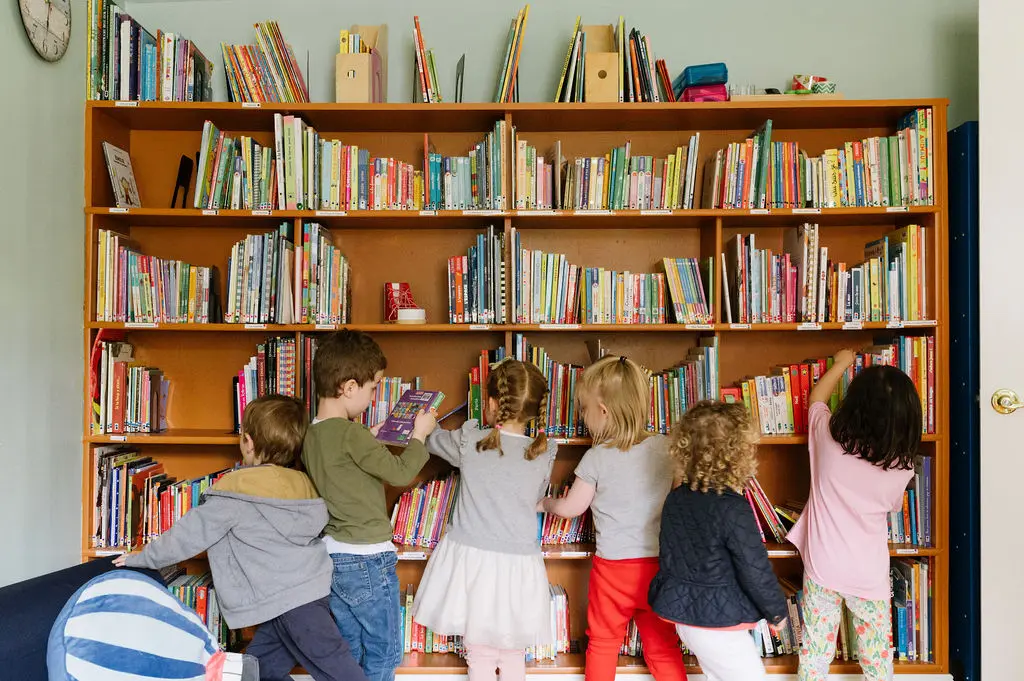
When people think of French culture, they often picture Paris first. Cafes, monuments, and familiar French traditions shape a well-known image. But French is not limited to one country or continent. It is a global language spoken by millions of people across Africa, the Caribbean, Europe, and North America. Exploring the broader Francophone world helps children understand that French culture is diverse, dynamic, and deeply connected to global history.
At Au Beau Sejour French Preschool (ABS) in Oakland, children experience French as a living language shaped by many cultures. Through music, storytelling, and everyday classroom experiences, they begin to learn that French belongs to communities around the world. This global perspective is especially meaningful during Black History Month, when families and schools reflect on cultural contributions, shared history, and representation beyond borders.
What Does Francophone Mean?
The term francophone refers to people and communities that speak French as a primary or shared language. Today, the majority of French speakers live outside of France. Large Francophone populations can be found throughout West and Central Africa, the Caribbean, and parts of Canada.
Each Francophone region brings its own traditions, accents, music, and stories to the language. French spoken in Senegal may sound different from French spoken in Quebec or Martinique, yet all are part of the same linguistic family. For young children, discovering that one language can carry many voices is a powerful introduction to cultural diversity.
In a French immersion school like ABS, this understanding helps children see French not as a single cultural identity, but as a global means of connection.
Francophone Africa: Music, Storytelling, and Oral Tradition
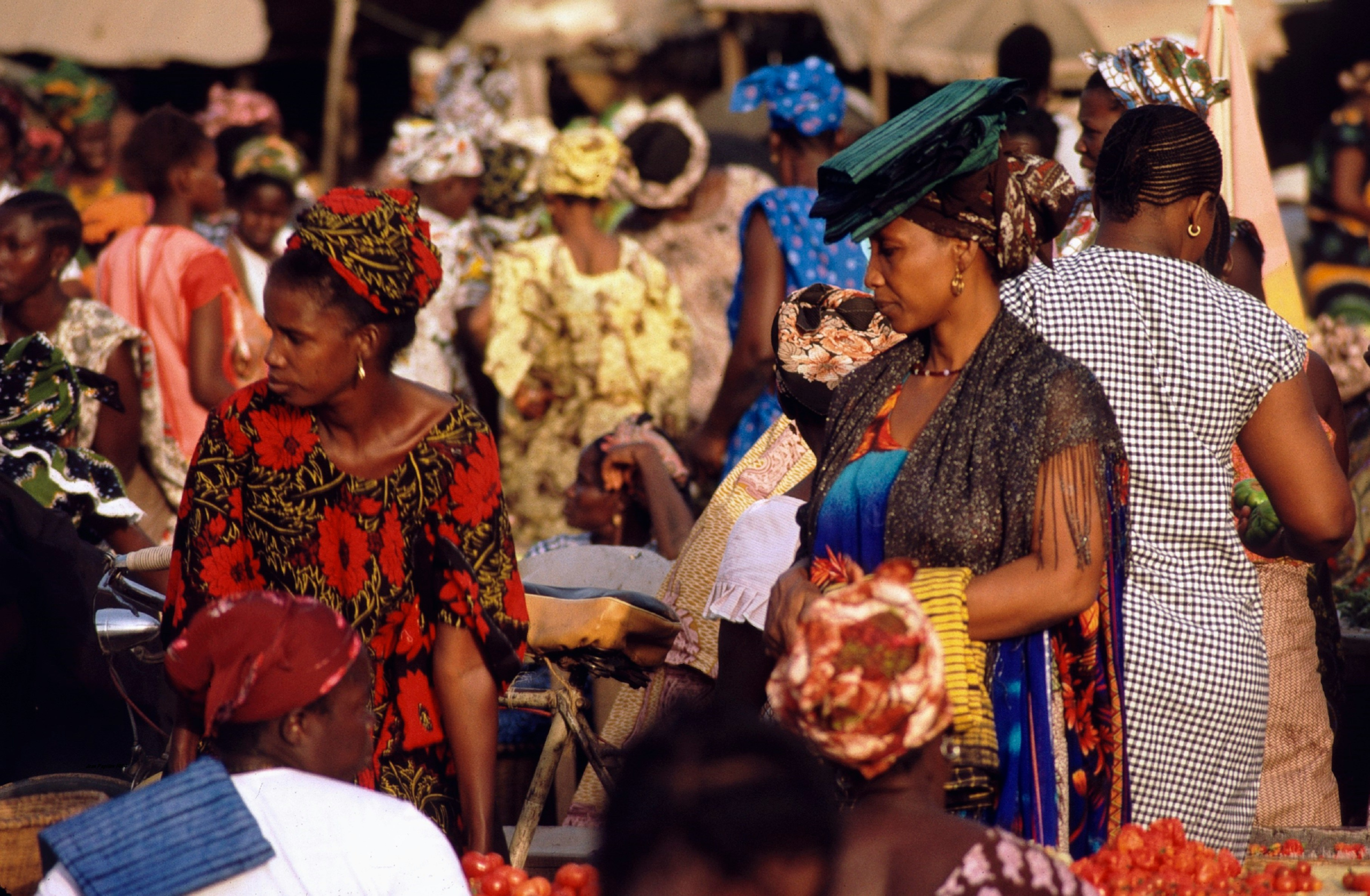
Africa is home to the largest number of French speakers in the world. Countries such as Senegal, Mali, Ivory Coast, and the Democratic Republic of Congo have rich Francophone traditions rooted in oral storytelling, music, and community life.
In many of these cultures, stories are passed down through spoken word, song, and rhythm rather than written text alone. This aligns naturally with early childhood learning, where children absorb language through listening, repetition, and shared experiences.
Music from Francophone Africa often includes percussion, call-and-response patterns, and movement. These elements support language development by strengthening memory and attention while making learning joyful. At ABS, music and rhythm are often used to introduce vocabulary and cultural awareness in ways that feel natural and engaging.
During Black History Month, exploring Francophone African cultures helps children and families recognize Black history as global, creative, and deeply influential.
The Caribbean: Language as Identity and Expression
The Francophone Caribbean offers another important perspective. In places like Haiti, Martinique, and Guadeloupe, French exists alongside Creole languages, reflecting histories of resilience, adaptation, and cultural pride.
Caribbean Francophone traditions emphasize storytelling, music, and celebration. Folktales, songs, and dance play a central role in how culture is shared across generations. For children, these expressive traditions help language feel alive and emotionally meaningful.
Introducing stories or music from the Caribbean allows children to experience how French can sound and feel different depending on place and history. It also helps families understand that language is closely tied to identity and community.
At ABS, teachers use stories from different Francophone regions to help children see French as a shared language with many cultural roots.
French Canada: Community and Cultural Preservation
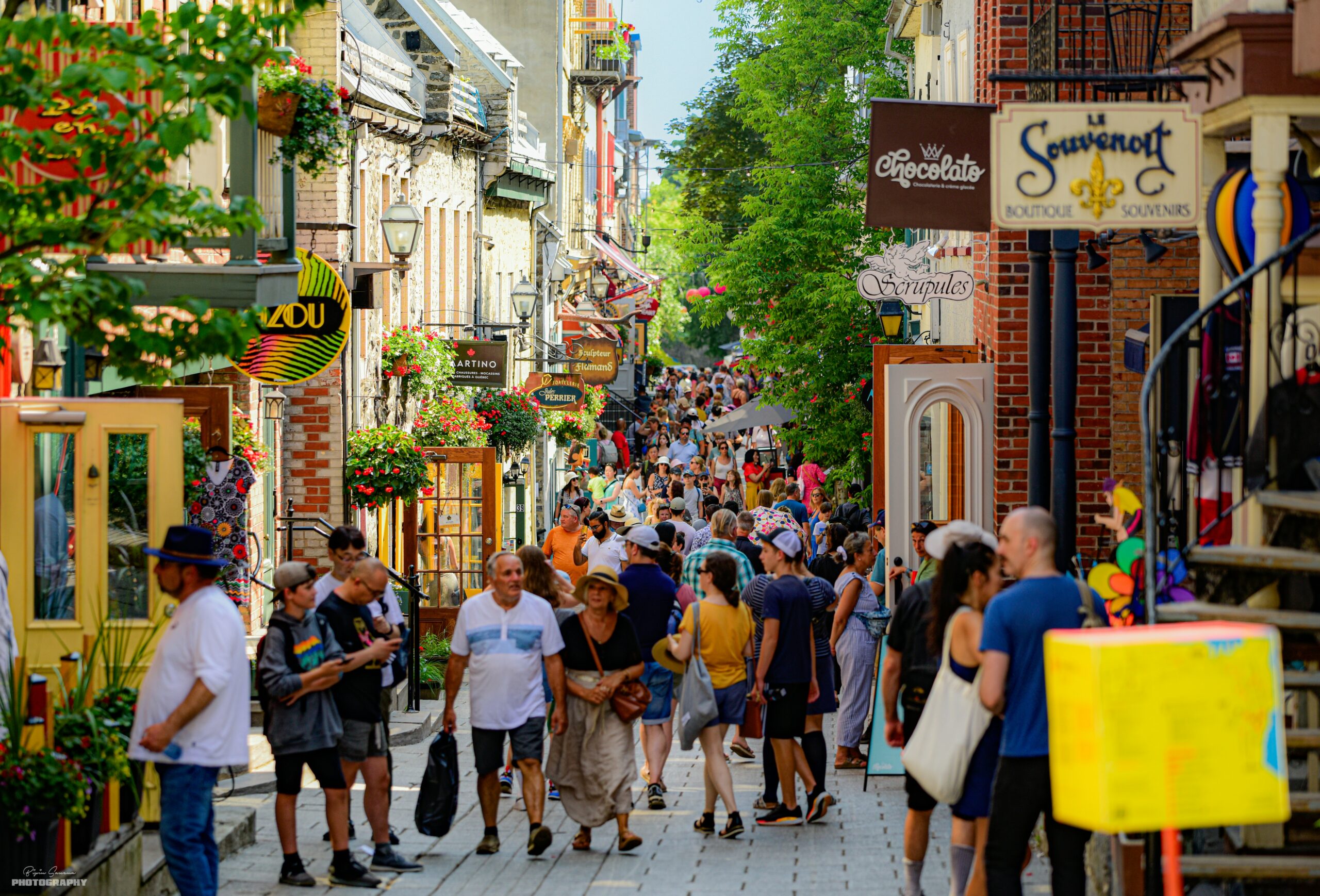
Canada offers yet another view of the Francophone world. In Quebec and parts of Eastern Canada, French is a central part of cultural identity and daily life. French Canadian traditions often emphasize community, cooperation, and connection to the natural world.
For young children, hearing French spoken with a Canadian accent reinforces the idea that language adapts to its environment. This exposure supports listening skills and cognitive flexibility, both of which are important as children grow and encounter new learning settings.
Stories from French Canada often highlight themes of belonging and shared responsibility, values that align closely with early childhood education and classroom community building.
Music and Stories as Gateways to Global Learning
For young children, abstract ideas like geography and history become meaningful through stories and music. A song from Senegal, a folktale from Haiti, or a picture book from Quebec allows children to connect emotionally to places they may never visit.
Music introduces rhythm and repetition, while stories offer structure and meaning. Children do not need to understand every word to feel the emotion or message behind what they hear. These experiences support language comprehension and empathy at the same time.
At Au Beau Sejour French Preschool, music and storytelling from across the Francophone world help children build curiosity and openness. They learn that language carries culture, and culture carries stories worth sharing.
Global Francophonie and Future Learning Paths
Families exploring French immersion often think beyond preschool. Consider opportunities such as an international summer camp where French or global learning continues in later years.
Understanding the global reach of French helps families see how early immersion can open doors to a wide range of educational experiences. Children who grow up hearing different accents and cultural references often feel more comfortable in international or multicultural environments later on.
ABS does not promote a specific path or destination. Instead, the focus is on building strong foundations in language, curiosity, and cultural awareness that support many future possibilities.
Why Global Francophonie Matters in Early Childhood
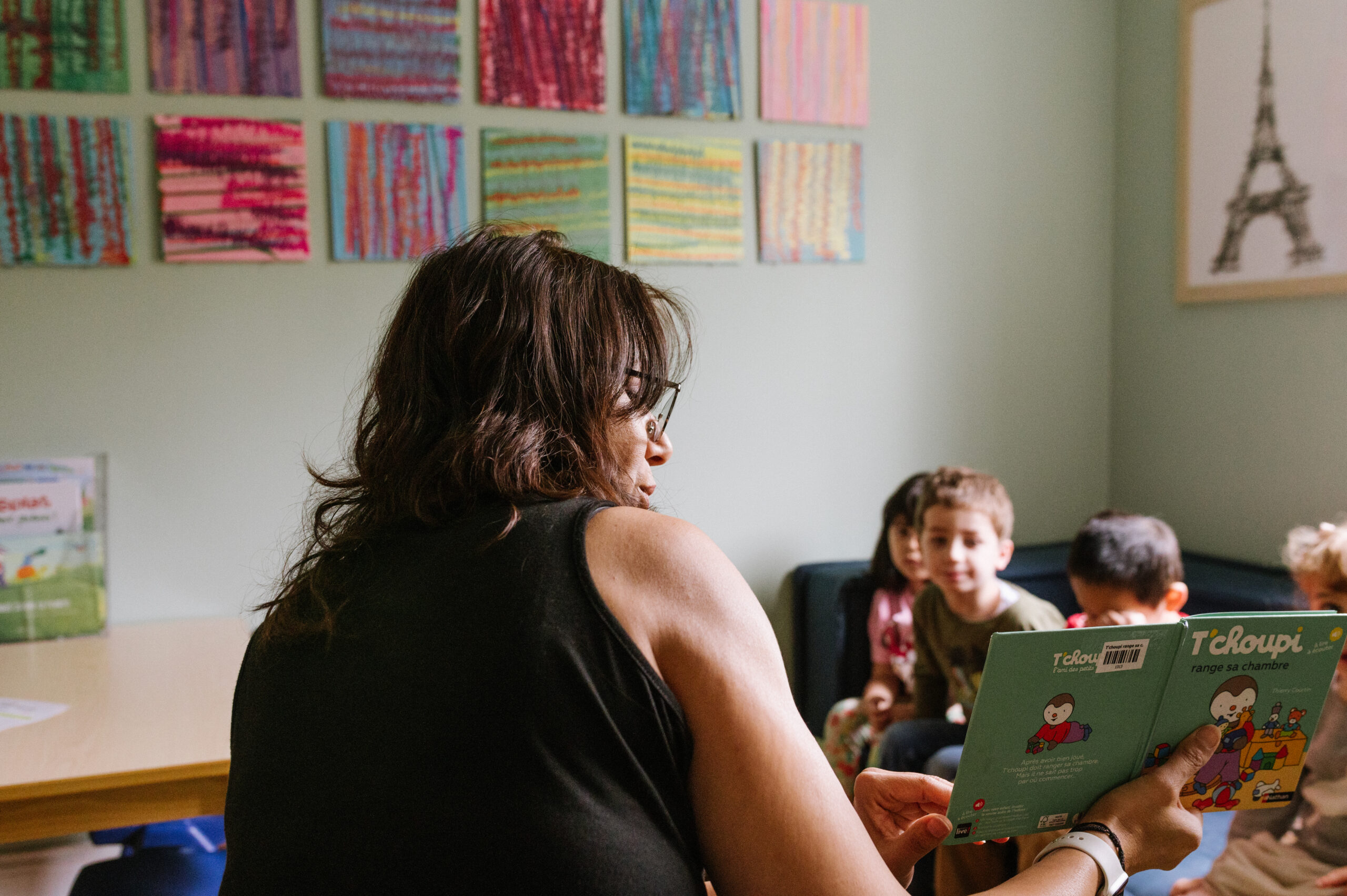
Teaching children that French exists beyond France helps them develop respect for diversity and a broader understanding of history. It also supports inclusion by recognizing Black and multicultural voices within the French-speaking world.
Celebrating the global Francophone community during Black History Month and throughout the year reinforces the idea that culture is interconnected. For young learners, this perspective builds empathy, listening skills, and a sense of shared humanity.
At ABS, this global approach is part of the Whole Child philosophy. Language learning is not just about communication, but about understanding the world and one’s place within it.
A Language That Connects the World
French is a language shaped by many cultures, histories, and voices. Exploring the global Francophone world helps children see that culture is not limited to one place, and that learning a language means learning to listen to many stories.
At Au Beau Sejour French Preschool, children are invited into this global conversation through music, storytelling, and everyday immersion. These experiences help them grow into curious, respectful learners who understand that the world is wide, diverse, and deeply connected.