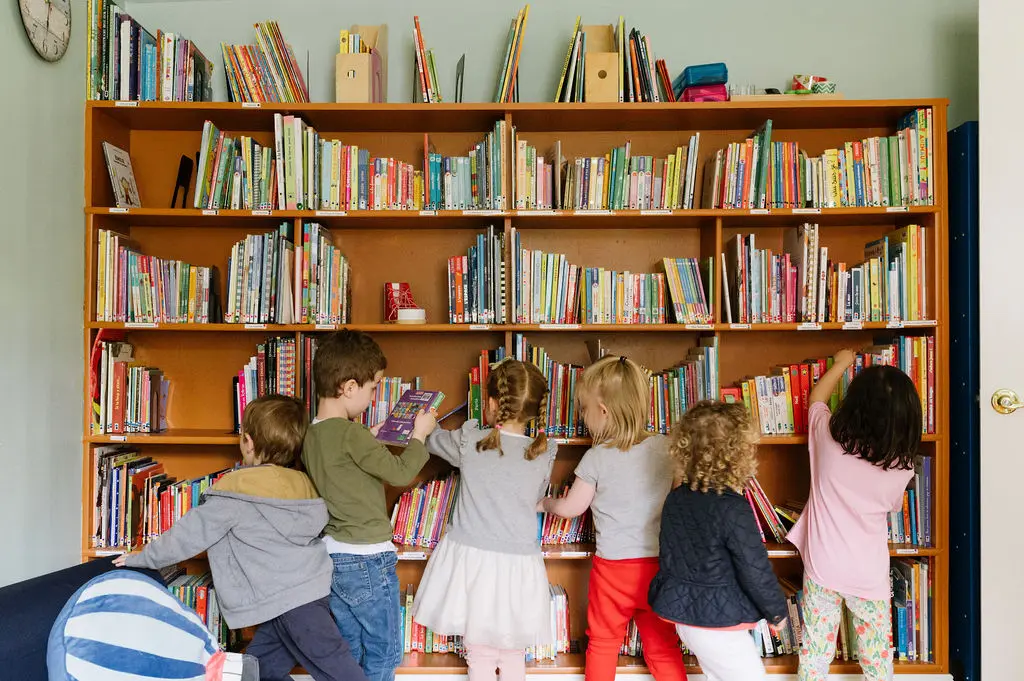
Play is sometimes misunderstood as the opposite of academic learning. In reality, play is one of the most powerful tools young children have for building the skills they will rely on in elementary school and beyond. Through imaginative play, construction, storytelling, and social interaction, children develop the foundations for reading, math, and problem-solving long before formal instruction begins.
For families considering a preschool kindergarten program or thinking ahead to lower elementary, play-based learning offers reassurance that children are not just enjoying themselves, but preparing in meaningful ways. At Au Beau Sejour French Preschool (ABS) in Oakland, play takes place within a French immersion environment, where language-rich experiences support both academic readiness and whole-child development.
What Play-Based Learning Really Looks Like
High-quality play-based learning is intentional. Teachers carefully design environments and activities that invite exploration while guiding children toward specific developmental goals. Play is structured enough to support learning, yet flexible enough to allow children to follow their curiosity.
In a preschool classroom, play might involve children building a city with blocks, pretending to run a market, or acting out stories with puppets. These activities are not random. They encourage children to plan, sequence, negotiate roles, and explain ideas. All of these skills are essential for later academic success.
At ABS, play happens in French throughout the day. Children hear vocabulary, sentence structures, and expressions in meaningful contexts. Even when children respond in English at first, their comprehension grows steadily. Over time, they begin to use French naturally as part of play.
How French-Language Play Builds Early Literacy
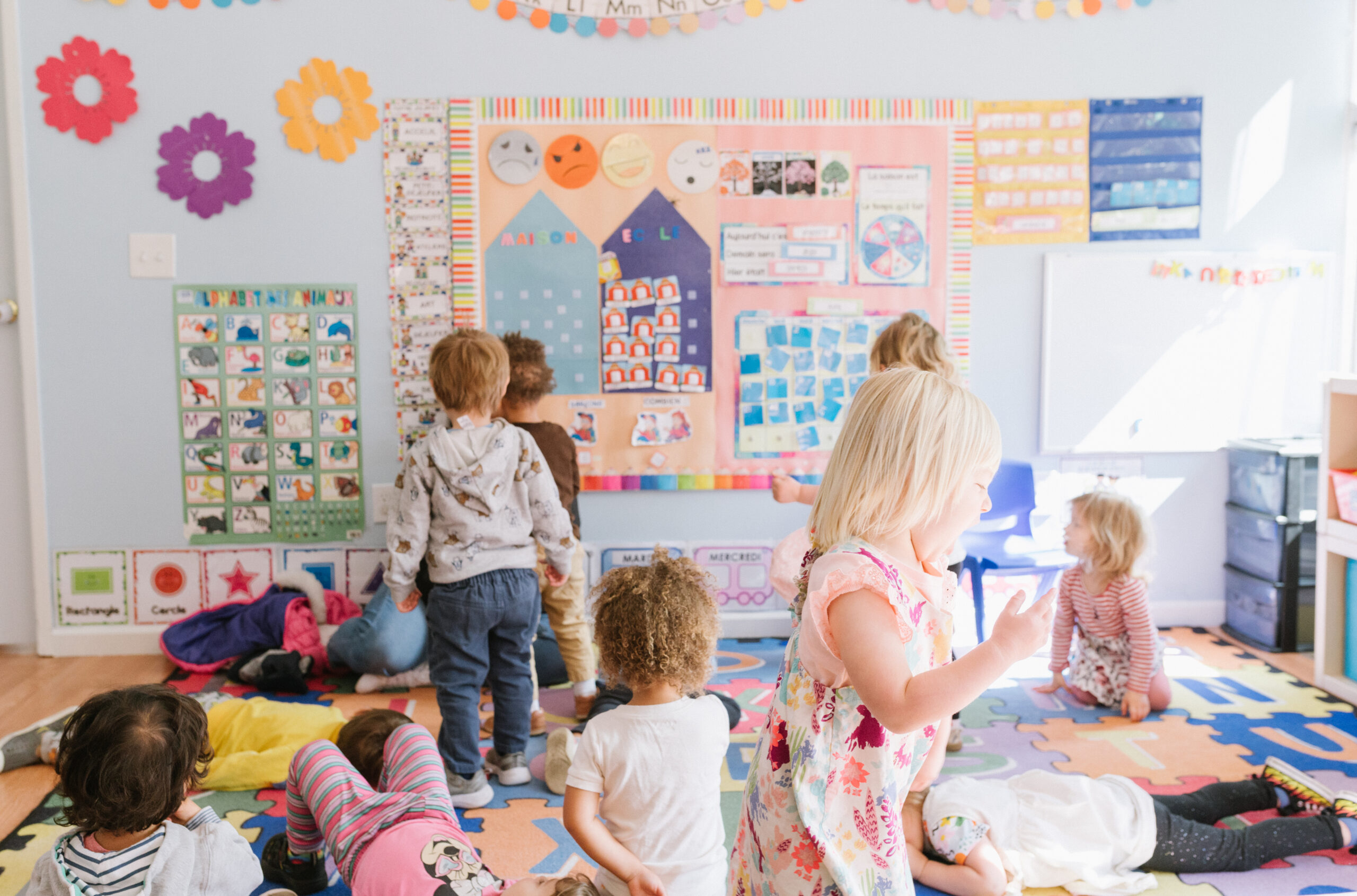
Strong reading skills in lower elementary begin with oral language. Before children read words on a page, they learn how language works through listening, storytelling, and conversation. Play-based learning creates constant opportunities for this kind of language development.
During imaginative play, children create narratives, describe actions, and respond to one another. In a French immersion setting, these exchanges happen alongside rich language modeling from teachers. Children learn how stories are structured, how ideas connect, and how meaning is conveyed.
These skills transfer directly to reading comprehension later on. Children who can follow a storyline, predict what happens next, and explain events are better prepared for reading in both French and English. This is one of the key academic benefits often associated with English-French bilingual outcomes, even though instruction at ABS takes place fully in French.
Play and Early Math Development
Math learning in early childhood is not about worksheets or memorization. It is about understanding relationships, patterns, and quantities. Play-based environments offer countless opportunities to develop these concepts naturally.
Block play introduces balance, symmetry, and spatial reasoning. Sorting toys by size or color builds classification skills. Board games encourage counting, turn-taking, and number recognition. Pretend play involving cooking or shopping introduces measurement, comparison, and problem-solving.
In a French immersion classroom, children also associate these concepts with French vocabulary. Counting steps, comparing quantities, or describing shapes in French reinforces understanding through repetition and context. This supports flexible thinking and prepares children for the reasoning-based math they encounter in lower elementary classrooms.
Cognitive Flexibility Through Imaginative Play
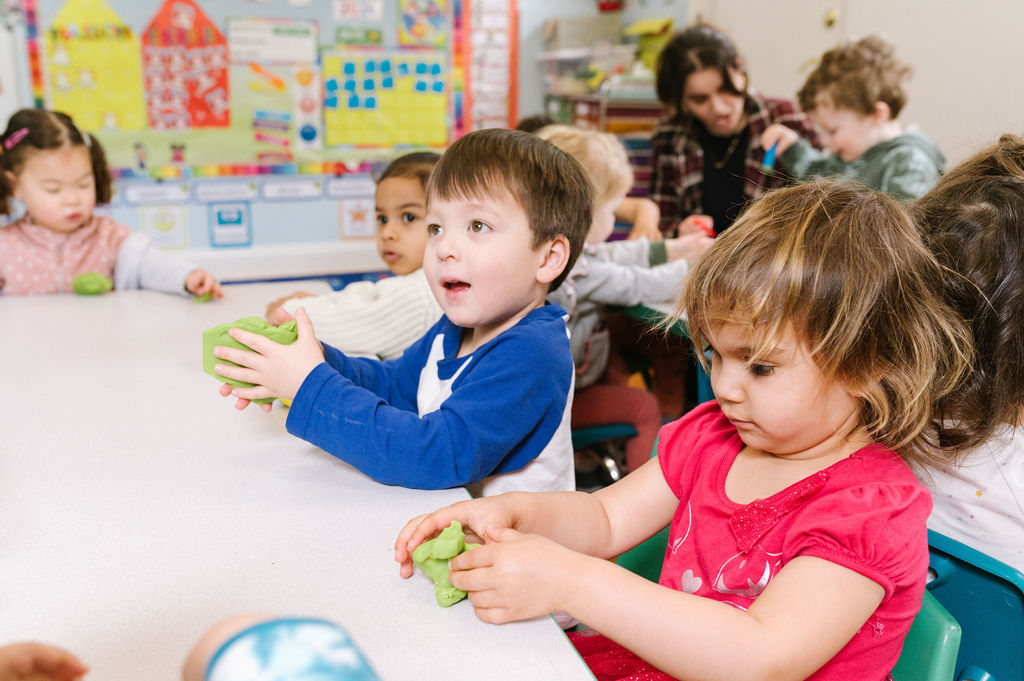
Cognitive flexibility is the ability to adapt, shift perspectives, and try new strategies. It is a strong predictor of success in elementary school. Play-based learning naturally strengthens this skill.
When children negotiate roles, adjust rules, or solve problems during play, they practice adapting to change. They learn that there is more than one way to approach a challenge. In a French immersion setting, this flexibility is further strengthened as children interpret meaning across languages.
A child might hear instructions in French, observe peers, and respond using gestures or words they know. This process builds attention, working memory, and problem-solving skills. Teachers at ABS support this growth by guiding play in ways that encourage persistence and curiosity rather than immediate correctness.
Social-Emotional Skills That Support Academic Success
Lower elementary classrooms place greater emphasis on collaboration, group work, and independent responsibility. Play-based learning prepares children for these expectations by developing social-emotional skills alongside academics.
Through play, children practice sharing materials, resolving conflicts, and expressing emotions appropriately. They learn to listen, take turns, and advocate for themselves. These skills help children feel confident and secure in classroom settings, which in turn supports focus and learning.
At ABS, small class sizes allow teachers to support social interactions closely. Children receive guidance that helps them navigate challenges and build positive relationships, creating a strong foundation for future school environments.
Why Play Works So Well in French Immersion

In a French immersion environment, play becomes a powerful language bridge. Children are exposed to French in meaningful, repeatable situations that support comprehension. Instead of isolated vocabulary lessons, language is tied to action, emotion, and imagination.
Because play is engaging, children are motivated to listen and participate. Over time, they begin to use French spontaneously during play, often without realizing it. This natural use of language supports both immersion goals and academic readiness.
Play-based immersion allows children to develop confidence and curiosity. They learn that language is a tool for thinking and connection, not just something to master.
Preparing for Lower Elementary Success
Families often wonder how play-based learning prepares children for the academic demands of lower elementary. The answer lies in the skills developed beneath the surface.
Children who experience high-quality play-based education enter elementary school with strong listening skills, early literacy awareness, math reasoning, and the ability to work independently and collaboratively. They are comfortable with structure, open to new challenges, and confident in expressing ideas.
At Au Beau Sejour French Preschool, play-based French immersion supports these foundational skills in a developmentally appropriate way. Whether children continue in immersion programs or transition to English-language elementary schools, they carry with them the habits of learning that support long-term success. For more information, schedule a tour with us and see, first hand, how our programs can work for you and your family.