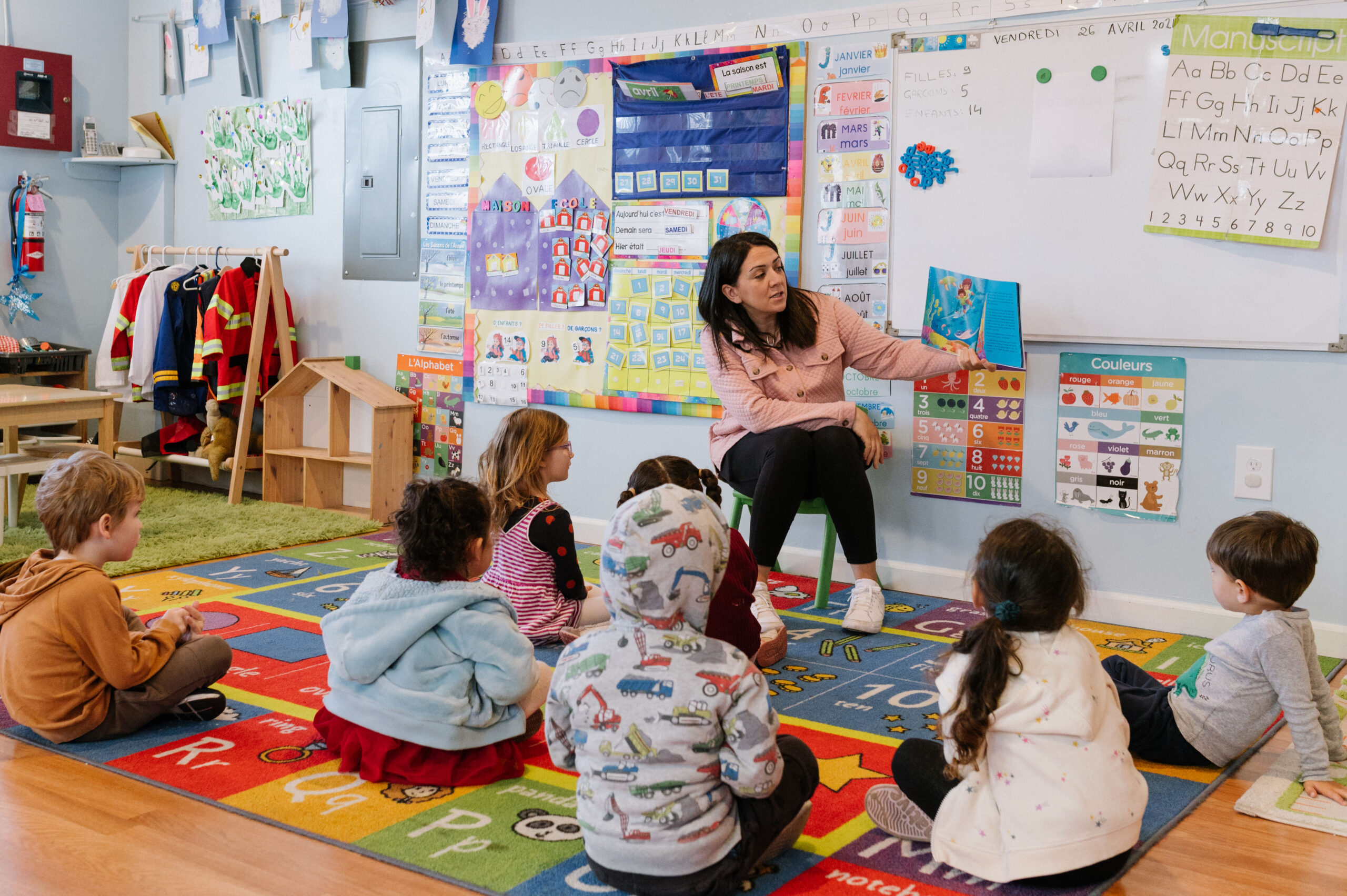
Choosing the right environment for your young child can feel overwhelming. Should you start with a child care center or enroll them directly in a preschool program? What’s the real difference between the two?
For many families, this decision comes at a time when children are growing fast. They are curious, mobile, and ready to explore. You want a safe, nurturing place where your child can learn and thrive, but the terms “child care” and “preschool” are often used interchangeably. In reality, they describe distinct structures and goals.
At Au Beau Séjour French Preschool (ABS) in Oakland, we meet families right in the middle, offering the warmth and reliability of a child care center with the academic and developmental focus of a preschool. This guide explains how to evaluate both options and find what best fits your child’s needs, personality, and your family’s schedule.
Understanding the Basics
What Is a Child Care Center?
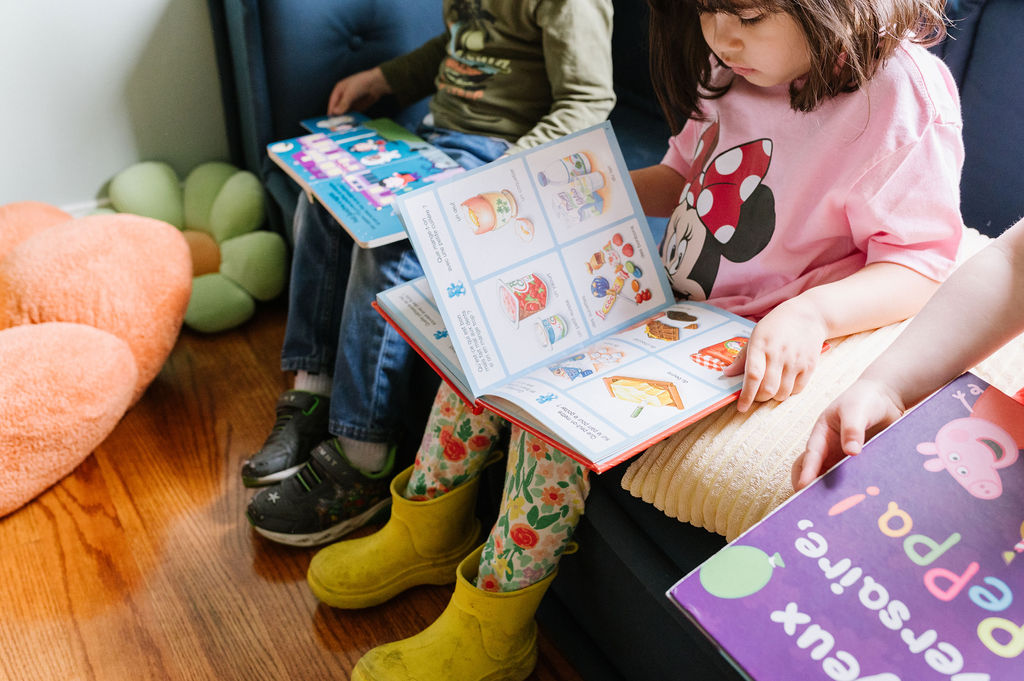
A child care center (sometimes called daycare) provides supervised care for infants, toddlers, and young children, typically from morning through late afternoon. The main goal is to offer a safe, consistent environment where children’s physical, emotional, and social needs are met while parents are at work.
High-quality child care centers go beyond babysitting. They create meaningful daily routines that include:
- Safe spaces for exploration and movement
- Age-appropriate activities that stimulate early learning
- Opportunities for socialization and play
- Consistent caregiver relationships that support attachment and trust
Many licensed centers, including ABS, are staffed by trained early childhood educators who understand developmental milestones and how to nurture them through gentle structure and responsive care.
What Is a Preschool Program?
Preschool focuses more intentionally on preparing children for formal schooling. It introduces structured learning through play, emphasizing language development, math readiness, creative expression, and social-emotional growth.
Preschools usually serve children ages 2½ to 5 and may operate for half-days or full-days, depending on the program. While care remains an essential component, the curriculum takes center stage, guiding children through developmental domains like literacy, reasoning, and motor coordination.
At ABS, the preschool curriculum follows France’s Éducation Nationale framework, balancing academic rigor with creative play and emotional development, in a bilingual French-English environment.
The Key Differences Between Child Care and Preschool
Although both environments serve young children, there are important distinctions that can influence your decision.
Age Range and Structure
Child care centers typically enroll infants through preschool-aged children, often divided into rooms based on age and developmental milestones. This means your baby can start as early as three months and remain in a familiar environment for years.
Preschool, on the other hand, generally starts at age two or three, when children are ready for group learning, toilet training, and more structured routines.
At ABS, children can begin in infant care and progress seamlessly through toddler, preschool, and pre-kindergarten programs. Eliminating the need to switch schools during those formative years.
Curriculum and Learning Approach
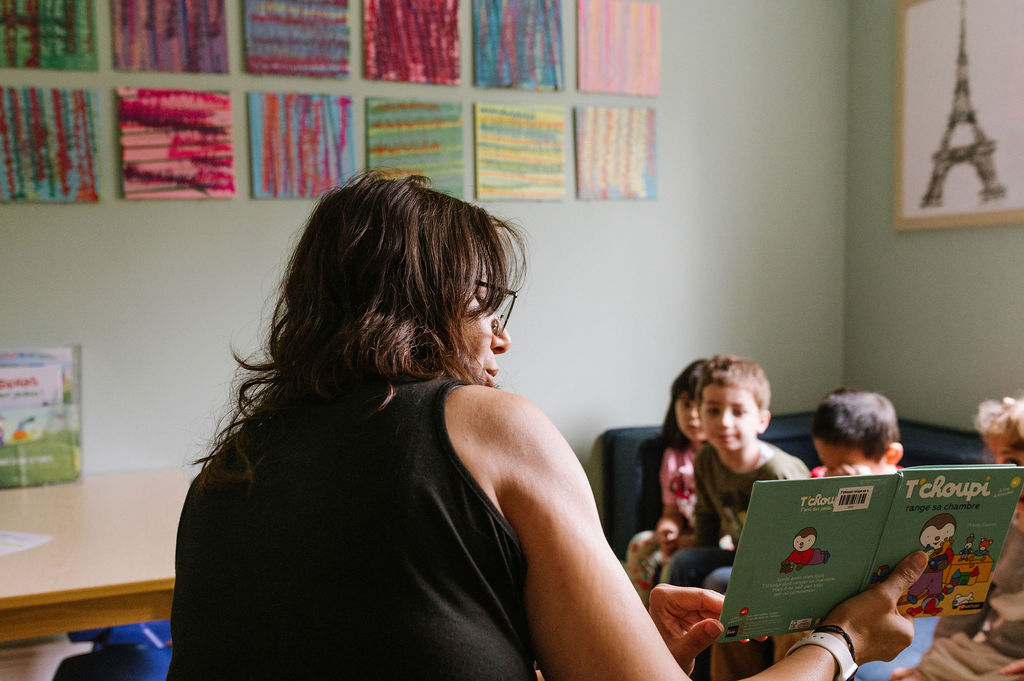
Child care programs tend to emphasize care routines: feeding, napping, toileting, and free play. All while weaving in songs, art, and sensory activities to encourage development.
Preschool programs incorporate these same elements but with intentional learning goals. Lessons often follow themes that teach vocabulary, math concepts, and fine-motor skills through hands-on experiences.
For example:
- In child care, a toddler might play with blocks to explore textures and stacking.
- In preschool, the same activity might include counting, sorting by color, or building patterns, laying the groundwork for math reasoning.
At ABS, each stage builds naturally into the next. Infants explore through touch and sound; toddlers engage through movement and imitation; preschoolers apply these discoveries in structured, bilingual lessons that prepare them for kindergarten.
Teacher Qualifications
Both child care centers and preschools are staffed by early childhood professionals, but their credentials and roles may differ.
In many states, child care providers must meet minimum licensing standards, which include health, safety, and supervision requirements. Preschool teachers, especially in private or bilingual settings, often hold degrees in early childhood education and follow formal curricula aligned with national or international frameworks.
At ABS, every teacher, from infant caregivers to preschool educators, is trained in early childhood development and fluent in French. This ensures that children receive developmentally appropriate, language-rich instruction at every level.
Daily Schedule and Structure
Child care centers often provide longer hours to accommodate working families. The day includes flexible play, meals, rest, and outdoor time.
Preschools may have shorter schedules (e.g., 8:30 a.m. – 3:00 p.m.) with defined learning blocks, group activities, and enrichment classes such as art, music, or movement.
ABS bridges these models beautifully. Our full-day programs mirror the convenience of a child care center while maintaining the structure and intentional teaching of a preschool classroom.
Focus on Social-Emotional Development
Social-emotional learning (SEL) is a core component of both child care and preschool, but smaller group sizes and structured interaction often make preschool a more deliberate environment for practicing cooperation, empathy, and communication.
In preschool, teachers guide children through shared projects, storytelling, and problem-solving, while in child care, younger children learn emotional skills primarily through parallel play and caregiver modeling.
ABS integrates both approaches: toddlers learn emotional vocabulary (“Je suis triste,” “I’m sad”), and preschoolers use those words in conversations, developing empathy in two languages.
Choosing What’s Right for Your Family
Every child and family is different. When comparing programs, it’s helpful to consider your child’s age, temperament, readiness, and your family’s schedule and goals.
Consider a Child Care Center If:
- You have an infant or young toddler who needs full-day care.
- You want continuity of care from infancy through early preschool.
- You prioritize a nurturing, home-like environment with consistent caregivers.
- You’re balancing work schedules and need flexibility.
Consider a Preschool Program If:
- Your child is 2-5 and showing readiness for group learning.
- You want a focus on academic and social preparation for kindergarten.
- Your family values structured routines and enrichment opportunities.
- You’re looking for early exposure to languages or cultural education.
At ABS, families don’t have to choose one or the other; they can have both. The school offers a continuous early education journey, blending care and curriculum from infancy through pre-kindergarten.
What to Look For in Any Early Learning Program
Whether you’re touring a child care center, a preschool, or a program like ABS that combines both, here are the hallmarks of quality to look for:
Warm, Responsive Teachers
Children learn best from adults who are patient, attentive, and consistent. Notice how teachers speak to children. Do they get down on their level, listen actively, and respond with kindness?
Small Class Sizes and Low Ratios
The fewer children per teacher, the more personalized care your child receives. Small groups mean teachers can nurture social skills and catch developmental needs early.
Clean, Safe, Engaging Environments
Look for spaces designed for exploration: open floor plans, soft lighting, natural materials, and organized activity areas. Safety should be obvious: secure gates, clear walkways, and visible supervision.
Developmentally Appropriate Curriculum
Ask how the program supports learning at your child’s stage. Quality programs use play to teach problem-solving, creativity, and collaboration, not worksheets or rote drills.
Family Communication and Involvement
Strong programs see parents as partners. Teachers should share daily updates, invite feedback, and offer opportunities for involvement in events or classroom activities.
ABS, for instance, keeps families closely connected through parent communication apps, teacher conferences, and community celebrations.
Why the Preschool Years Matter So Much
Between ages two and five, the brain is forming over a million new connections per second. These are the years when curiosity blooms, vocabulary expands, and empathy takes root.
Children in quality early learning environments, whether child care or preschool, develop:
- Stronger language and reasoning skills
- Improved focus and self-regulation
- Greater confidence entering kindergarten
- A lifelong love for learning
At ABS, these milestones are supported in both English and French, giving children cognitive advantages that extend far beyond language.
How ABS Blends the Best of Both Worlds
Families at Au Beau Séjour don’t have to choose between the nurturing atmosphere of a child care center and the enriching curriculum of a preschool. ABS combines both seamlessly through a whole-child, bilingual approach.
- Infant Care: Gentle routines and secure attachments lay the emotional foundation for learning.
- Toddler Programs: Play-based exploration, music, and movement develop motor and language skills.
- Preschool & Pre-Kindergarten: Structured lessons in French and English promote early literacy, math, creativity, and cultural awareness.
- Small Class Sizes: Low teacher-to-child ratios ensure personalized attention at every stage.
Each classroom builds upon the next, creating continuity of care and learning. By the time children transition to kindergarten, they’re confident, curious, and academically prepared in two languages.
Questions to Ask When Touring Schools
When you visit potential programs, consider asking:
- What is the teacher-to-child ratio in each age group?
- How are children comforted when they miss their parents?
- How does the program handle discipline and emotional challenges?
- What curriculum or framework guides instruction?
- How do teachers communicate with families?
- What does a typical day look like for my child’s age group?
Listen to your intuition, too. A great preschool or child care center should feel welcoming, calm, and joyful, not chaotic or rigid.
The Au Beau Séjour Difference
ABS offers families something rare: continuity, care, and culture under one roof. With programs for infants through pre-kindergarten, children grow within a consistent, nurturing community that values curiosity, independence, and joy.
- Bilingual Curriculum: Language immersion enriches communication and cultural understanding.
- Whole-Child Philosophy: Emotional well-being is as important as academic progress.
- Experienced Teachers: Native French-speaking educators trained in early childhood pedagogy.
- Community Connection: Families are part of a warm, inclusive environment that celebrates learning together.
Choosing between child care and preschool doesn’t have to be an either/or decision. ABS shows how the two can come together beautifully to support every child’s journey.
The Right Choice Is the One That Feels Right for You and Your Child
Every family’s situation is unique. What matters most is finding an environment where your child feels safe, loved, and inspired to explore. Whether that’s a nurturing child care center, an engaging preschool, or a program that combines both, the goal is the same: helping your child grow into a confident, curious learner.
At Au Beau Séjour French Preschool, we believe that early education should feel like an extension of family. where care and curriculum work hand in hand, and where every child, from infants to pre-kindergarteners, is seen, supported, and celebrated.