Understanding how children learn language in different school environments, and why it matters
If your child is entering a multilingual or international learning environment, you may come across two educational terms: EAL (English as an Additional Language) and bilingual. They sound similar, both involve multiple languages, but in the world of early childhood education, they represent two very different learning experiences. Understanding these differences can help families make confident decisions about their child’s education and future.
At Au Beau Séjour French Preschool (ABS) in Oakland, we welcome a globally diverse community. Many of our children come from multilingual households, while others are learning French for the first time. We believe all language journeys are worth celebrating and worth understanding.
So, what do these terms actually mean, and how do they affect your child’s experience in school?
What Does “Bilingual” Mean?
When we say a child is bilingual, we mean they can communicate meaningfully in two languages, not just knowing a handful of words here and there, but being able to:
- Understand spoken language
- Express themselves in conversation
- Develop reading and writing skills over time
In a bilingual program like ABS, children use French not only for vocabulary-building but also for learning content: math, science, stories, music, social-emotional practices, and everyday routines all happen in French. English remains present in a child’s life outside of school with family, community, media, and eventually English-based schooling, so both languages keep growing.
Bilingual education is not a quick process. It develops over years and stages, but the payoff is remarkable: two active languages that strengthen each other and support deeper thinking skills.
What Does “EAL” Mean?
EAL stands for English as an Additional Language. It’s a support system for students who are learning English while attending school in English. Rather than being taught equally in two languages, children in EAL receive extra guidance to help them access the curriculum delivered in English.
EAL programs are common in international schools, global communities, and environments where many students speak languages other than English at home. They are designed to help children:
- Understand classroom instructions
- Learn the vocabulary necessary for academics
- Build confidence communicating in English
EAL is a service, not a language program. It helps students succeed in a school where the curriculum is taught in English, rather than aiming to develop full bilingual fluency across two languages.
Two Systems With Shared Goals — and Different Pathways
You could think of EAL and bilingual immersion like different hiking trails that lead up the same beautiful mountain: becoming a confident communicator.
The difference lies in how the child climbs:
English as an Additional Language
- The environment is English-first.
- Children are given extra support in English to access the same learning as their peers.
- Their home language remains primarily outside the classroom.
Bilingual
- The environment gives equal importance to two languages.
- Children switch fluidly between the two, strengthening both through use.
- Their learning is content-driven rather than language-remedial.
Both systems value children’s linguistic identity. The choice for families depends on what outcomes they want by the end of preschool or kindergarten.
Do EAL Students Become Bilingual?
Sometimes, but not automatically.
Because EAL focuses on supporting English development in an English-dominant environment, children typically gain English proficiency first. Their other language is often strengthened at home, depending on family habits and exposure.
In a bilingual program, both languages grow systematically, building toward:
- oral fluency
- reading and writing
- cultural understanding
The road to bilingualism is intentional, not incidental.
Why Early Childhood Is the Best Time for Bilingualism
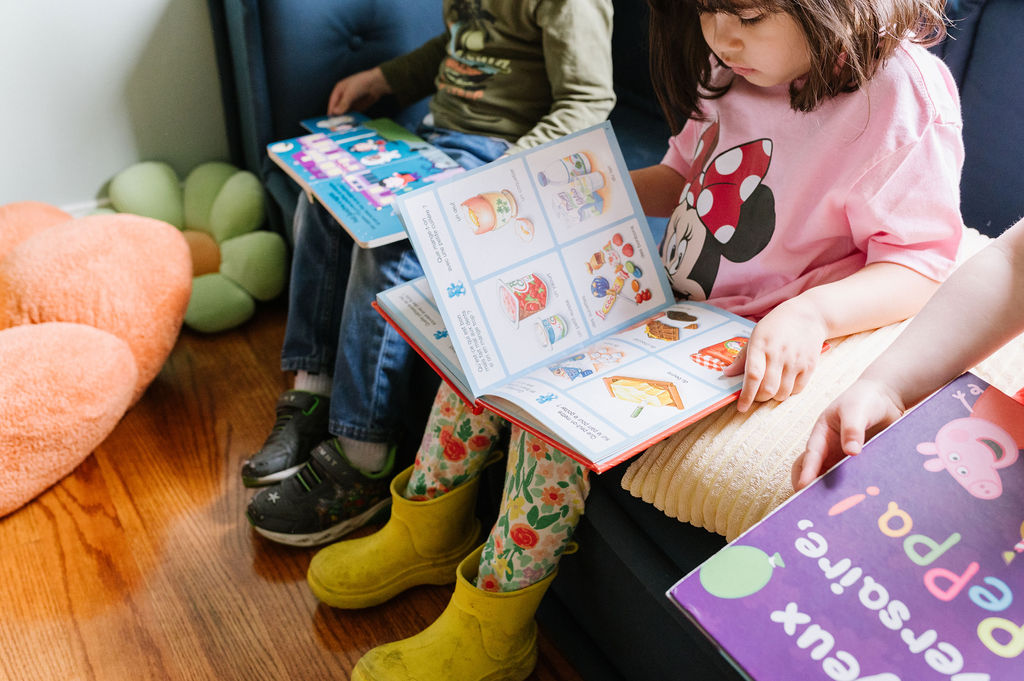
Brains in early childhood are exceptional language processors. Children don’t just learn languages, they absorb them. Infants and toddlers can notice and reproduce sounds that adults struggle to hear. Four and five-year-olds can build vocabulary rapidly, often with delight rather than hesitation.
Choosing bilingual immersion early gives a child:
- Native-like pronunciation (something much harder to achieve later in life!)
- Flexible thinking skills that support problem-solving
- Cognitive strength for reading and writing in both languages
- A lifelong global perspective
This is why schools like ABS begin immersion before kindergarten, when language learning feels like play.
EAL Often Happens Later When a Language Gap Appears
EAL support typically starts when a child enters an English-speaking school, often around age 5 to 8. At that point, teachers identify that a student needs additional help accessing English-language instruction. EAL is a wonderful support system, but it is usually reactive, while bilingual education is proactive.
At ABS, children enter elementary school prepared, rather than playing linguistic catch-up.
The Cultural Difference Matters, Too
Bilingual learning is not just about words; it’s about worldviews.
A bilingual child learns that:
- People express ideas differently in different cultures
- Greetings, humor, politeness, and even emotions vary by language
- Being multicultural is normal and exciting
They don’t just speak French. They understand the French way of thinking.
EAL support, on the other hand, helps a child adapt to the cultural expectations of an English-based system. It focuses more on language function than cultural identity.
Both hold value, but they build different forms of confidence.
What Does This Look Like at ABS?
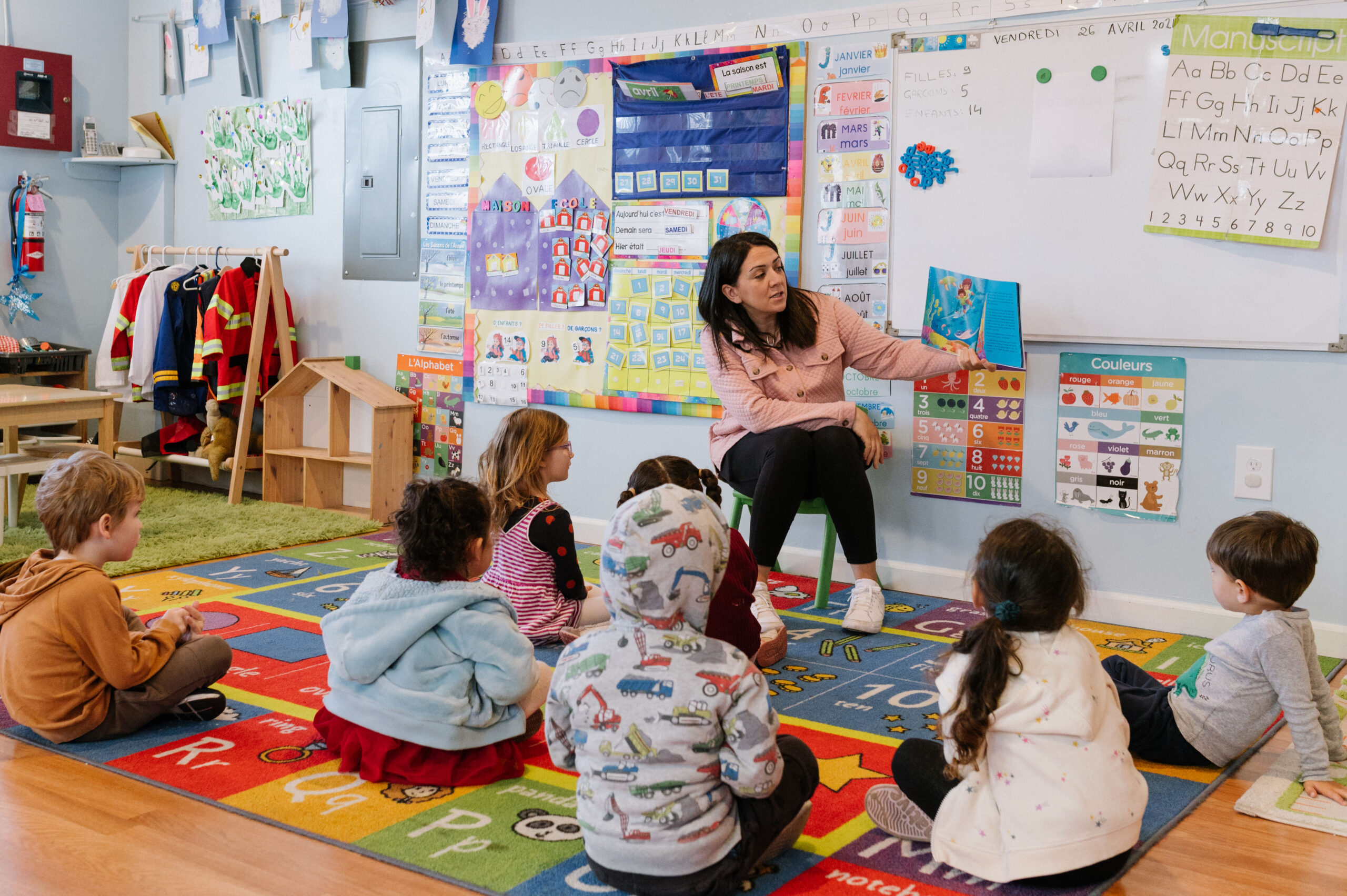
ABS is a true French immersion school. French is used naturally throughout the day:
- Morning greetings and calendar time
- Storytelling and early literacy
- Math and science discovery
- Songs, games, and movement
- Social-emotional lessons and conflict resolution
- Art, cooking, gardening, and outdoor play
Children don’t sit drilling vocabulary, they live the language.
For English-dominant families, English doesn’t disappear. It remains home language, community language, and future schooling language. This allows both languages to progress side-by-side.
And for children who already speak a language other than French or English? ABS supports the whole linguistic identity they bring with them. A child with three languages isn’t behind; they’re expanding a global network in their brain.
Debunking Common Myths
As with anything new, there are a few persistent myths about bilingual learning and EAL:
“Won’t two languages confuse my child?”
No. In fact, children adjust faster than adults and often sort out who speaks what naturally.
“Don’t kids get delayed if they learn too many languages?”
Temporary mixing of languages is normal and a sign of advanced cognitive processing.
“English should come first in the United States.”
English will come! Immersion doesn’t delay English development; it strengthens it by building stronger language-awareness skills overall.
When children are trusted and supported, multilingualism becomes an advantage, not a complication.
How Does Bilingual Education Prepare Children for the Future?
In today’s world, bilingualism is more than a skill; it’s a superpower.
Research links bilingual development to:
- Better attention control
- Higher executive functioning
- Greater empathy and cultural awareness
- More creativity in problem-solving
- Improved performance in reading and writing
- Stronger long-term academic outcomes
Bilingual students often transition into elementary school with:
- Expansive vocabulary
- Strong social-emotional skills
- Confidence navigating new environments
- Resilience in the face of challenges
The bilingual advantage is lifelong, personally, academically, and professionally.
Which Path Should Your Family Choose?
Here’s a simple way to think about it:
Choose bilingual education if you want your child to:
- Speak and understand French fluently
- Learn academic content in French
- Connect with global cultures
- Grow in an environment built for multilingual success
Choose EAL support if your child:
- Attends a school where English is the main language of instruction
- Needs extra help learning the language of that school
- Is adjusting to an English-dominant community
The best path depends on your child’s current strengths, situation, and your family’s educational goals.
What ABS Families Tell Us
Parents often share three reasons they choose bilingual education at ABS:
- They want their child to grow up with a global mindset.
- They love that academics, creativity, and social-emotional skills develop together.
- They value a school environment where language diversity is a strength, not an obstacle.
Children leave ABS not only ready for elementary school in the U.S. but also equipped to thrive in French or international programs anywhere in the world.
A Warm Invitation to Explore French Immersion
If you’re curious about how bilingual immersion can transform your child’s learning journey, we’d love to meet you.
- Three Oakland campuses
- Tours available weekly
- Programs for ages 0 through 6 with full French immersion
- A joyful place to grow
Learn more or schedule a tour.