
Children naturally love to ask how things work, where things come from, and who invented the objects around them. Curiosity is one of the most powerful drivers of early learning, and French history is full of discoveries that have shaped daily life, from the way we communicate to the way we travel. Introducing children to French inventions is a playful way to help them explore science, history, and global culture at the same time.
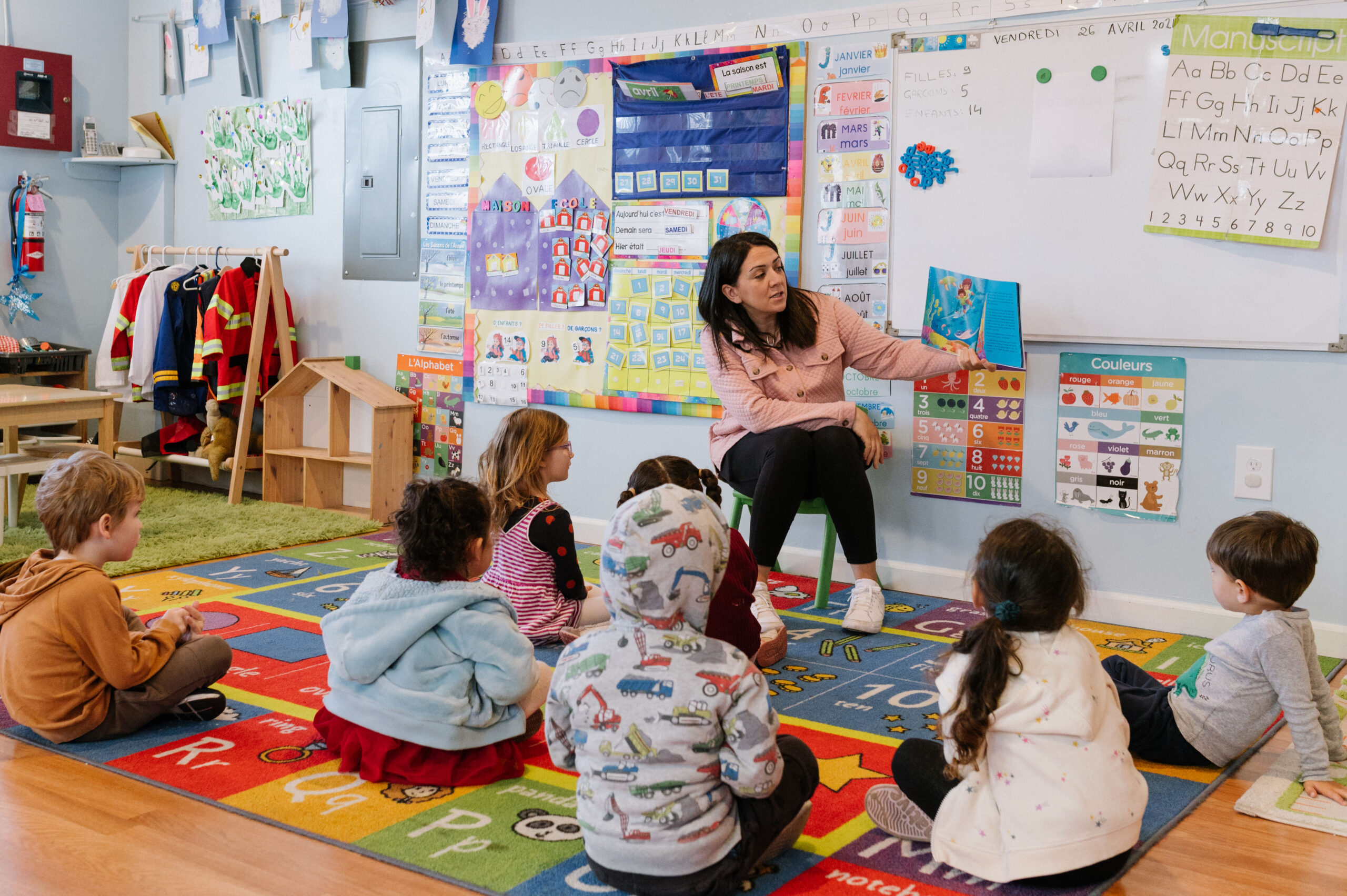
At Au Beau Séjour French Preschool in Oakland, children are regularly exposed to elements of French culture in age-appropriate ways, not only through language but through stories and cultural curiosity. French inventions offer fascinating entry points for children to learn how ideas evolve and how people from different countries have contributed to the world. With smaller class sizes, teachers can offer more hands-on experiences that turn these cultural moments into meaningful opportunities for exploration and discovery.
Here are five French inventions that continue to influence daily life and inspire young learners today.
1. Braille: A French Innovation That Opened Doors
Many children learn about Braille when they notice raised dots on elevator buttons or library signage. What they may not realize is that Braille was invented by a young French boy named Louis Braille in the 1820s. After losing his sight in childhood, Braille developed a writing system of raised dots so people with visual impairments could read and write independently.
Braille’s invention changed education forever. It made literacy accessible for millions of people and set the foundation for modern assistive technologies used in schools and homes throughout the world. Young children are often fascinated to learn that someone their age could grow up to change the world.
2. The Eiffel Tower: Engineering Meets Art

While not technically an “invention,” the Eiffel Tower represents one of France’s most iconic engineering achievements. Designed by Gustave Eiffel in 1889, the tower originally served as the entrance to the World’s Fair in Paris. At the time, many people disliked the design, fearing it would spoil the beauty of the city.
Today, it stands as one of the most recognizable structures in the world and remains a symbol of architectural innovation. Children are often amazed that something so tall and intricate was created more than 130 years ago without modern machinery.
Preschools like ABS often introduce children to the Eiffel Tower through books, artwork, and simple construction activities. Building with wooden blocks or recycled materials allows young learners to explore early engineering concepts, like shapes and balance, without complicated explanations.
3. The Camera That Made Movies Possible
French inventors have played a major role in shaping film and photography. The invention of the still camera dates back to French innovators in the early 1800s, and by 1895, the Lumière brothers introduced one of the first motion-picture systems. Their short film screenings are considered the birth of modern cinema.
Without this French breakthrough, movies, animation, and even digital storytelling might look very different today. Children don’t need to learn film history to appreciate that cameras help us remember special moments and tell meaningful stories. These are all skills preschoolers develop naturally when they draw, narrate, or “pretend direct” their own mini scenes during play.
Utilizing ABS’s French immersion teaching, storytelling is woven into daily learning. Teachers often encourage children to describe their pictures or share what they observed, sparking early communication skills that one day might support creative storytelling in any language.
4. Pasteurization: Science That Keeps Families Safe
Parents may know the name Louis Pasteur from milk cartons, but few children realize that pasteurization was a French medical breakthrough that saved millions of lives. Louis Pasteur discovered that heating liquids such as milk killed germs and made food safer to consume.
This discovery transformed public health and continues to protect families around the world today. Pasteur’s scientific curiosity reminds children that asking questions like “Why does milk spoil?” or “Why do we need refrigeration?” can lead to discoveries that help others.
Preschools often introduce these ideas through simple science lessons about healthy food, cooking, or safely preparing snacks. Even young toddlers learn to wash their hands before eating, which connects directly to the kind of scientific thinking Louis Pasteur inspired.
5. The Modern Bicycle: Pedaling Into History
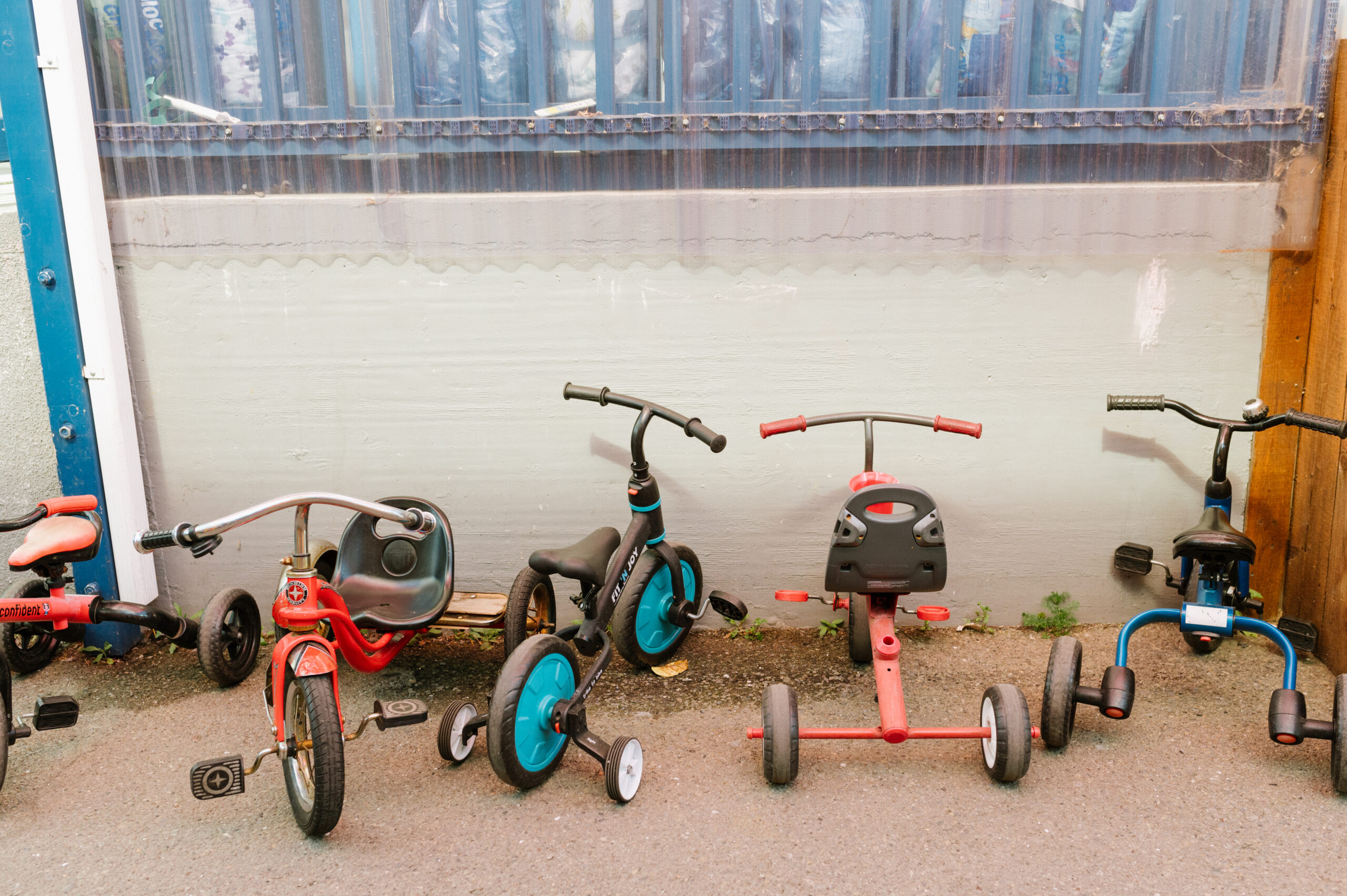
While people experimented with early two-wheeled vehicles, the modern bicycle was largely shaped by French inventors in the 19th century. France contributed key developments, including pedals, gears, and more stable steering, which led to the bicycles we use today.
Children love learning that their scooter or tricycle is part of a long history of invention. Riding a bike becomes more than a physical skill; it becomes a connection to motion and independence.
Outdoor learning, an essential part of early childhood programs, naturally complements this connection. At ABS, movement, balance, and motor skills are central to learning. Whether on tricycles in the play yard or dancing to French music indoors, children learn through motion every day.
Making Space for Curiosity
Sharing French inventions with children is not about memorizing history; it’s about celebrating curiosity and helping children see the world as full of possibilities. Each invention reminds children that ideas begin small, grow slowly, and sometimes change the world.
At Au Beau Séjour French Preschool, children learn through a bilingual, global lens that encourages curiosity at every stage. Schedule a tour with us and learn how exploring French culture, language, and history can nurture a sense of belonging not only to one country but to a world filled with connection and discovery.