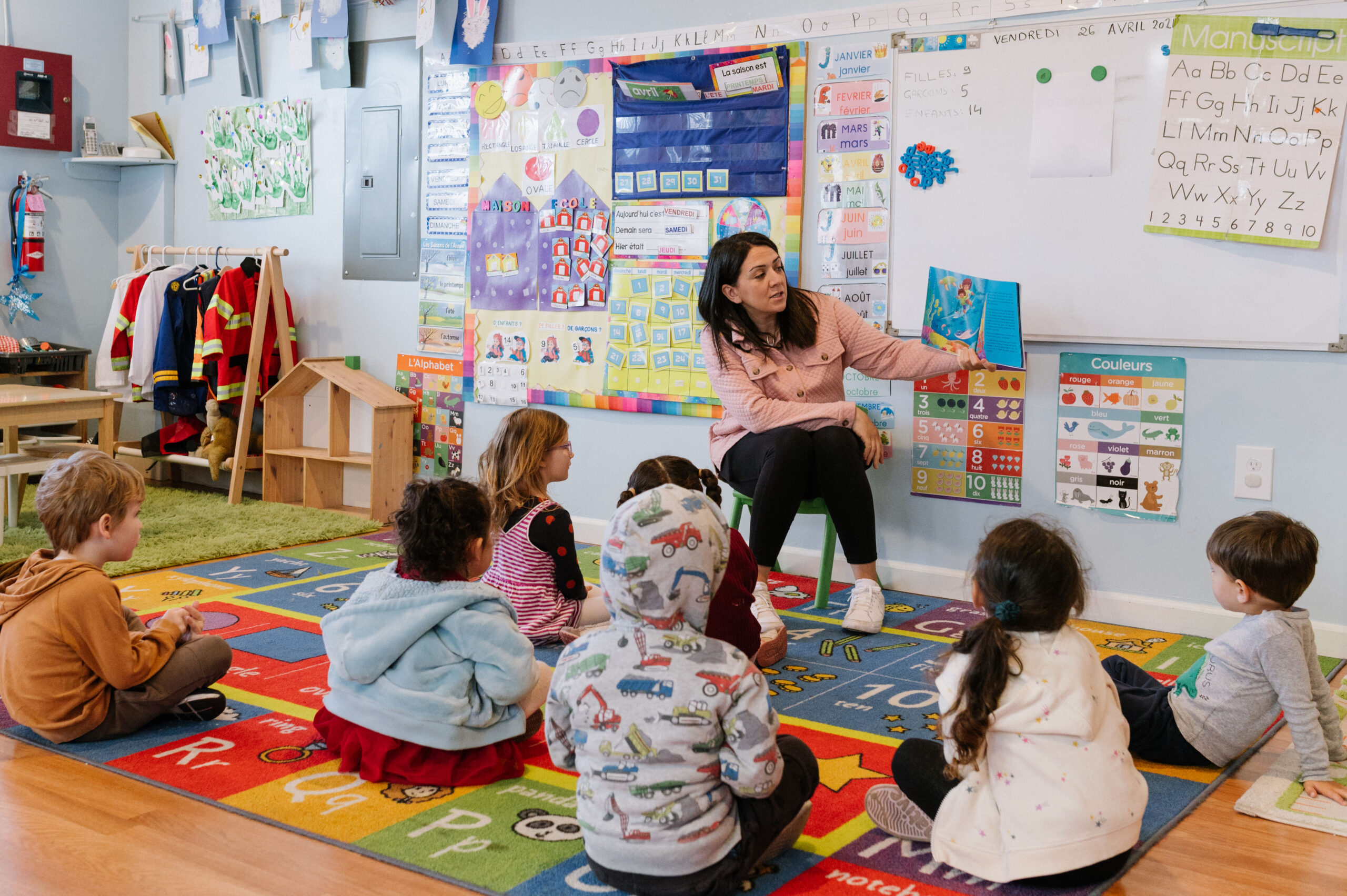
Supporting a child’s bilingual language development doesn’t require fluent French, expensive materials, or long study sessions. In fact, French often becomes most meaningful for children when they experience it in everyday moments; storytime at home, during a snack, at bathtime, or while singing together in the car.
Many families at Au Beau Séjour French Preschool don’t speak French themselves, which can surprise new parents during the first week of preschool. Yet children still thrive linguistically because bilingual growth begins with exposure. When families join in, even at a very basic level, children feel proud of their language learning and stay connected to what they practice in school.
Start With Short, Simple French Phrases
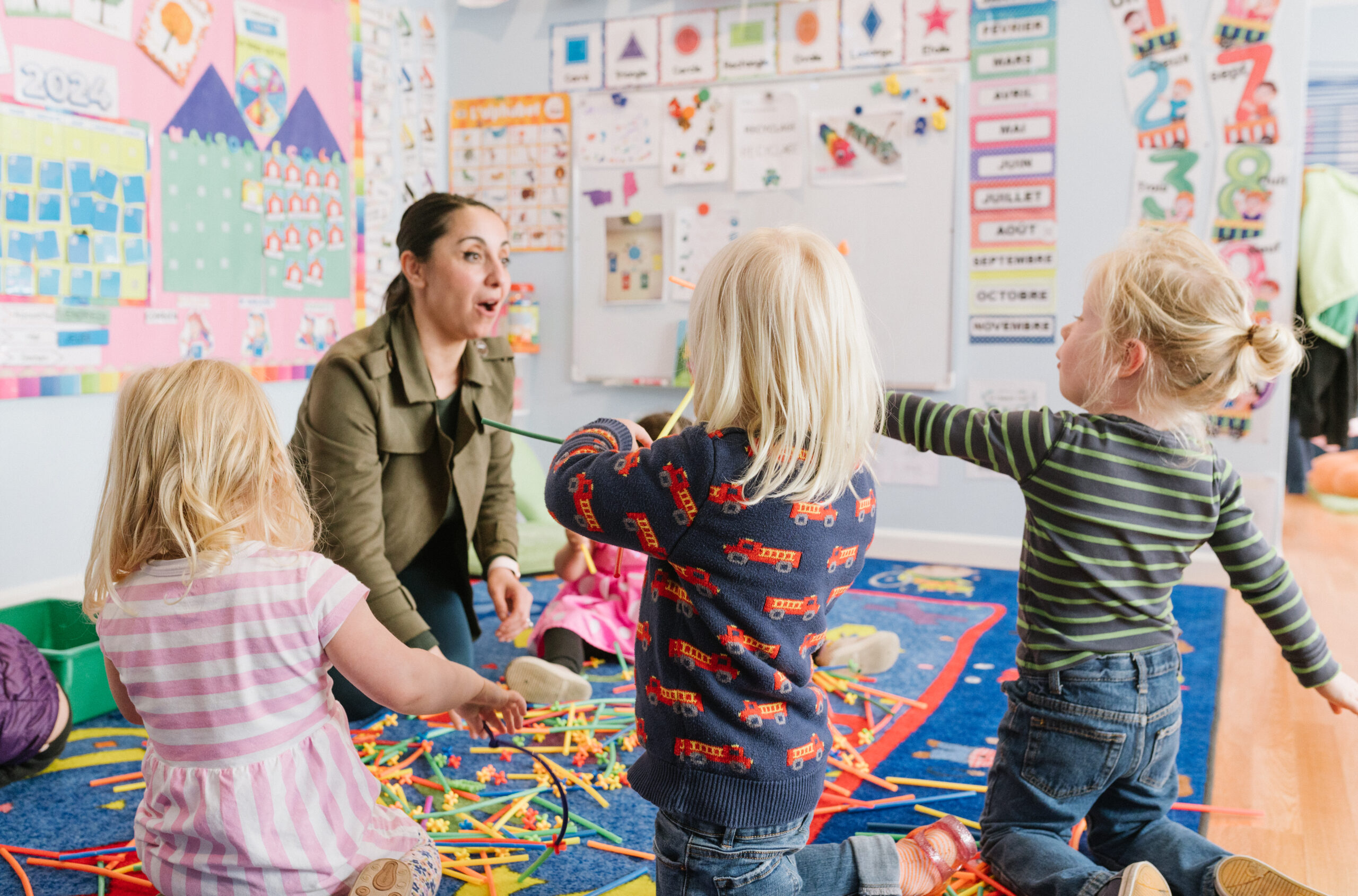
Toddlers and preschoolers love repetition. Even learning a few everyday phrases makes a difference. Families might begin with greetings, mealtime expressions, or short questions. A cheerful “Bonjour!” in the morning or a playful “Bon appétit!” at dinner helps young children experience French as a natural part of daily life.
Most importantly, children see that their parents value the language they are learning at school. That emotional connection becomes a powerful motivator. With French immersion classes, teachers share simple vocabulary with families during the year, making it easy to incorporate a few French expressions even if pronunciation feels uncertain. Children rarely judge accents; they’re too busy enjoying the attention and connection.
Let Music Lead the Way
Music introduces rhythm, vocabulary, and sentence patterns long before children understand every word. Families can play French songs during playtime or morning routines, sing along to familiar melodies in French, or ask children to teach a song they learned in class. Repetition strengthens early language pathways in a joyful, low-pressure way.
ABS teachers frequently introduce seasonal songs, nursery rhymes, and counting melodies that children bring home naturally. When parents join in by humming, dancing, or clapping, children feel proud of their bilingual identity and are more likely to continue speaking French beyond the classroom.
Bring a Little French Into Storytime
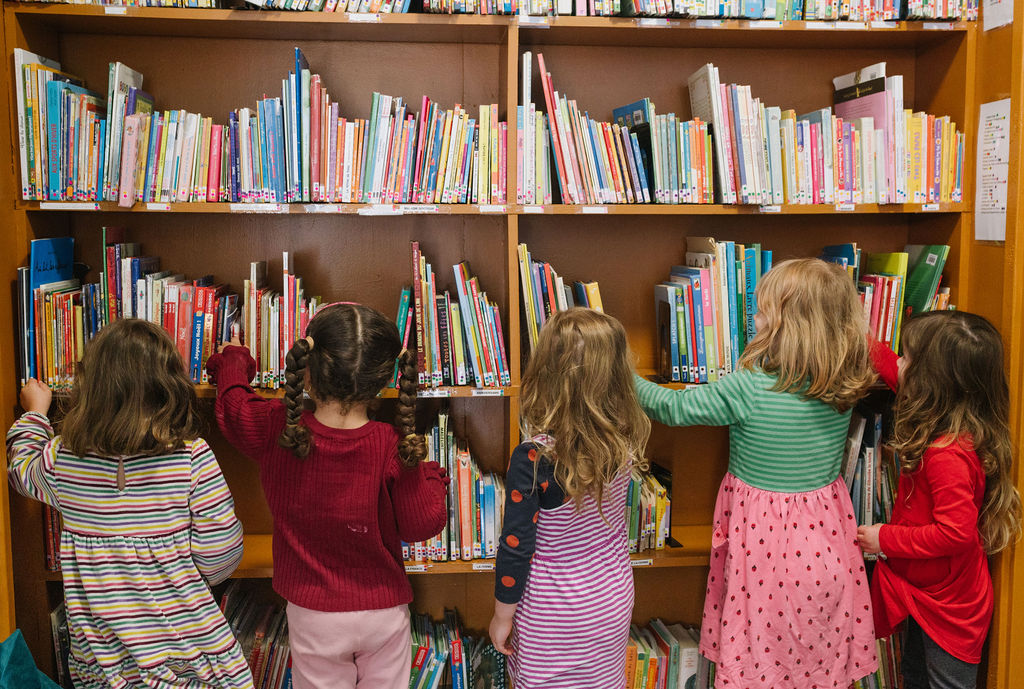
Reading together is already one of the most powerful early learning habits, and bilingual storytime adds an extra layer of cognitive development. French picture books, bilingual editions, or even English-language stories with occasional French vocabulary help children hear the language outside structured school time.
Parents don’t need to translate every word. Simply enjoying the story, laughing at pictures, or pausing to say a single word (“bonjour”, “merci”) helps children make meaningful language connections. ABS recommends using simple French board books appropriate for toddlers and preschoolers, which families can enjoy regardless of their language background.
Turn Play into Bilingual Exploration
Young children learn best through play, and bilingual play doesn’t require special toys or elaborate materials. Toy kitchens naturally introduce food vocabulary, and stuffed animals create opportunities for greetings, routines, and imaginative conversation. Children love assigning roles, a parent, a teacher, a chef, and bilingual pretend play often develops naturally when families encourage just a few words or phrases.
ABS classrooms model play-based bilingual learning daily. When children are invited to “pretend French” at home, they explore language freely rather than worrying about correctness. Emotional comfort matters far more than perfect grammar, especially during early childhood.
Celebrate French Moments Without Needing Fluency
Supporting bilingual development doesn’t need to feel academic. Families can cook a simple French treat, celebrate French holiday traditions, or explore a French cartoon online. Even a short family outing related to French culture, a French bakery visit, or a children’s French music performance helps them feel that French belongs in their world, not just inside school walls.
Au Beau Séjour French Preschool celebrates French seasonal traditions throughout the year, which naturally encourages children to talk about French culture at home. When families say, “Tell me more,” children become enthusiastic little teachers and proudly share what they’ve learned.
Building Confidence Through Gentle Encouragement
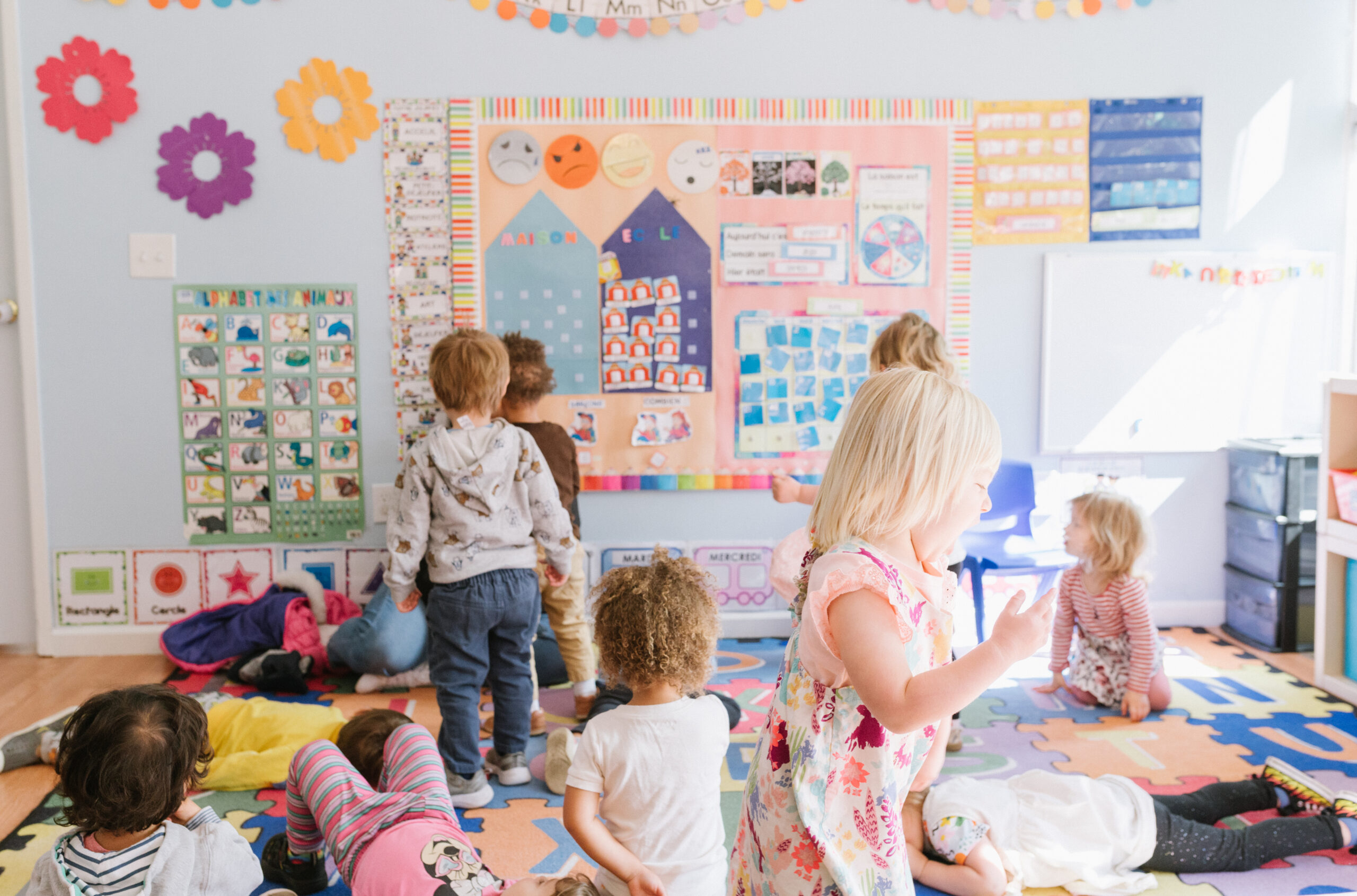
The most supportive approach is simply showing interest. When parents praise effort instead of correctness, “You remembered a French word today!” children develop confidence that encourages them to continue speaking and practicing.
At ABS, teachers emphasize that bilingual development unfolds gradually. Children often understand far more than they speak at first, and bilingual confidence grows through emotional connection and daily exposure. When families participate in these small ways, they strengthen both language skills and a child’s sense of identity as a bilingual learner.
Bringing Home and School Together
Even if families speak little or no French, participation matters enormously. These everyday moments help children see French not just as a school subject, but as part of their life story. That feeling of personal connection helps bilingualism continue long into the future.
Au Beau Séjour sees bilingual growth as a partnership between school, child, and family. When French becomes part of bedtime routines, car rides, or mealtime conversations, children feel supported and encouraged. The goal is not perfect French, it’s natural bilingual living rooted in connection and cultural appreciation.