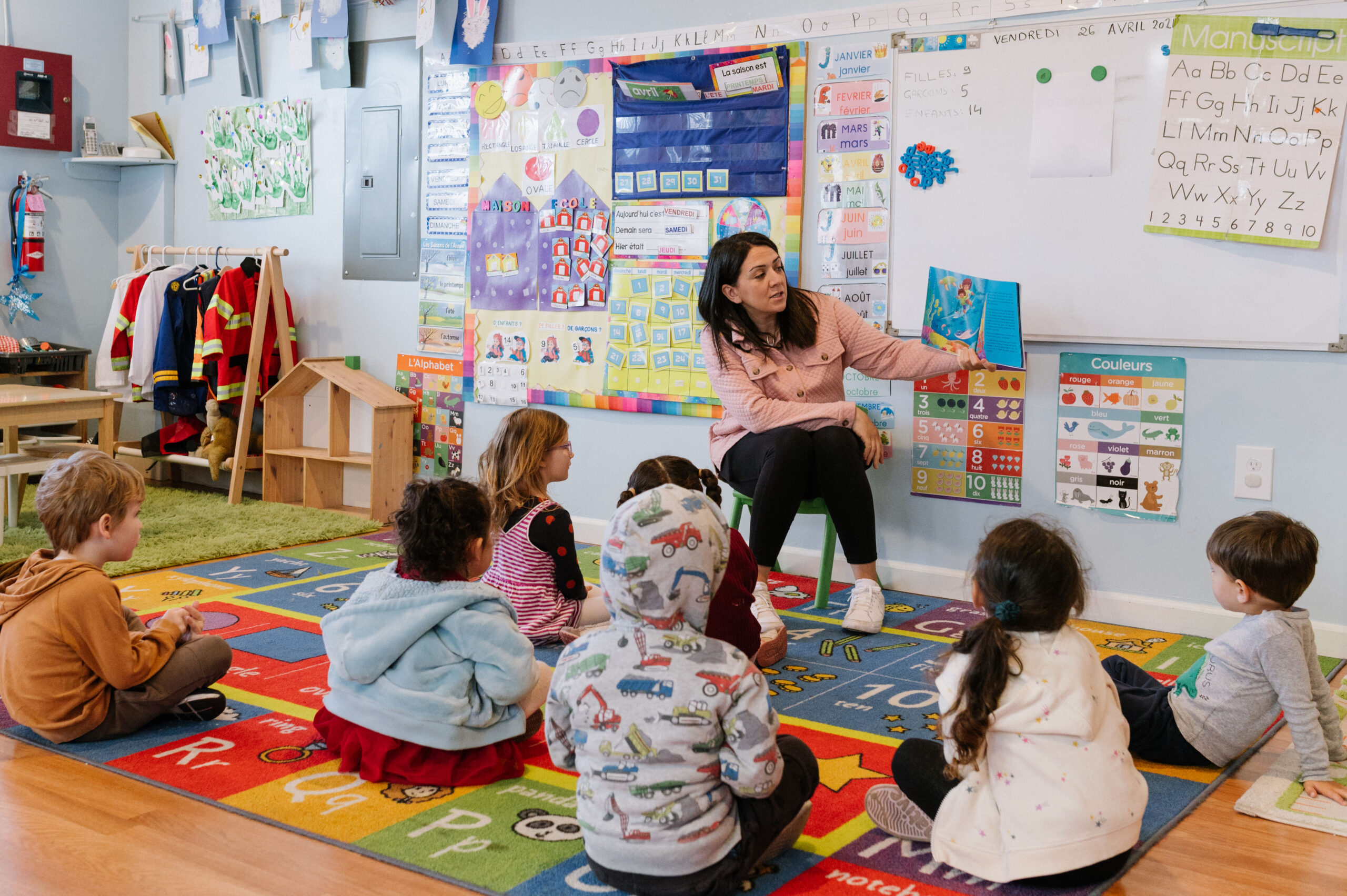
When people picture preschool, they often imagine art projects, snack time, and children playing on the playground. What they don’t always see is the structure underneath it all. The daily rhythm. The repeated patterns. The small moments that happen the same way, day after day.
Those preschool routines are not accidental. They’re one of the most powerful tools in early childhood development. For young children, predictability doesn’t feel boring. It feels safe. And when children feel safe, they take risks. They try new things. They speak up. They begin to believe, often for the first time, “I can do this.” That’s where real independence begins.
Why Preschool Routines Matter More Than You Think
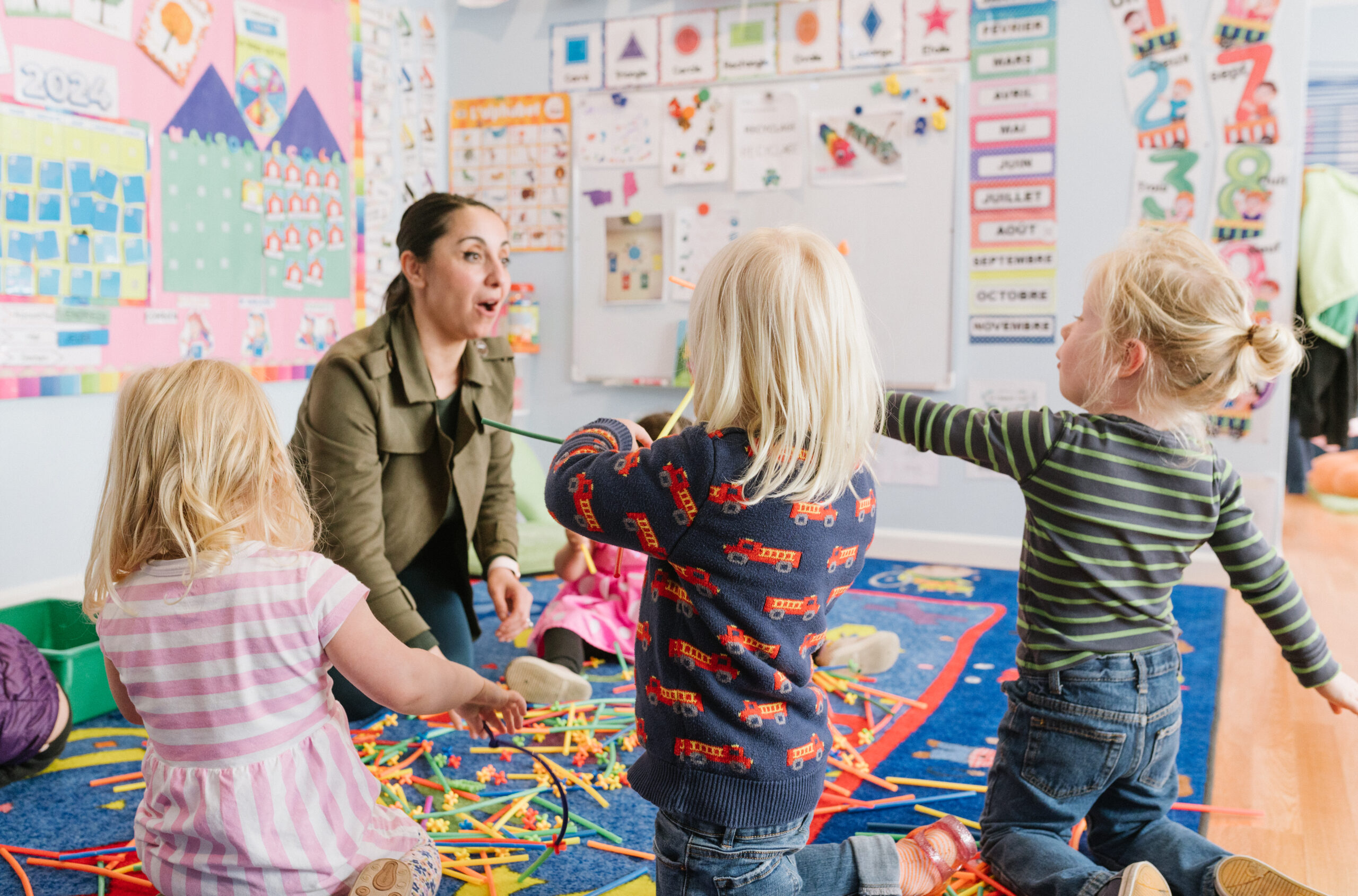
In early childhood development, routine isn’t about control. It’s about building internal structure. When children know what comes next, they don’t have to spend energy worrying about the unknown. That frees up mental space for learning.
A consistent morning arrival. A familiar circle time. A predictable cleanup process. These small patterns teach children how to move through their day with confidence.
Over time, something shifts. Instead of waiting for an adult to guide every step, children begin to anticipate what needs to happen. They hang up their backpack without being asked. They wash their hands before snack. They sit down when it’s time to gather. That shift from external direction to internal responsibility is the beginning of independence in preschool.
Routines Reduce Anxiety and Build Confidence
Young children thrive on repetition. What may look simple to adults, lining up, putting materials away, choosing a book after lunch, actually builds emotional security.
When children know what to expect, transitions feel smoother. There are fewer power struggles and fewer meltdowns because the structure itself provides reassurance. Predictable preschool routines also give children measurable success. They know the steps. They can complete them. They feel capable. Confidence grows from those small wins.
A child who can manage their own daily routine starts to see themselves as competent. And that belief carries over into academic tasks, social interactions, and new challenges.
How Routines Support Independence in Preschool
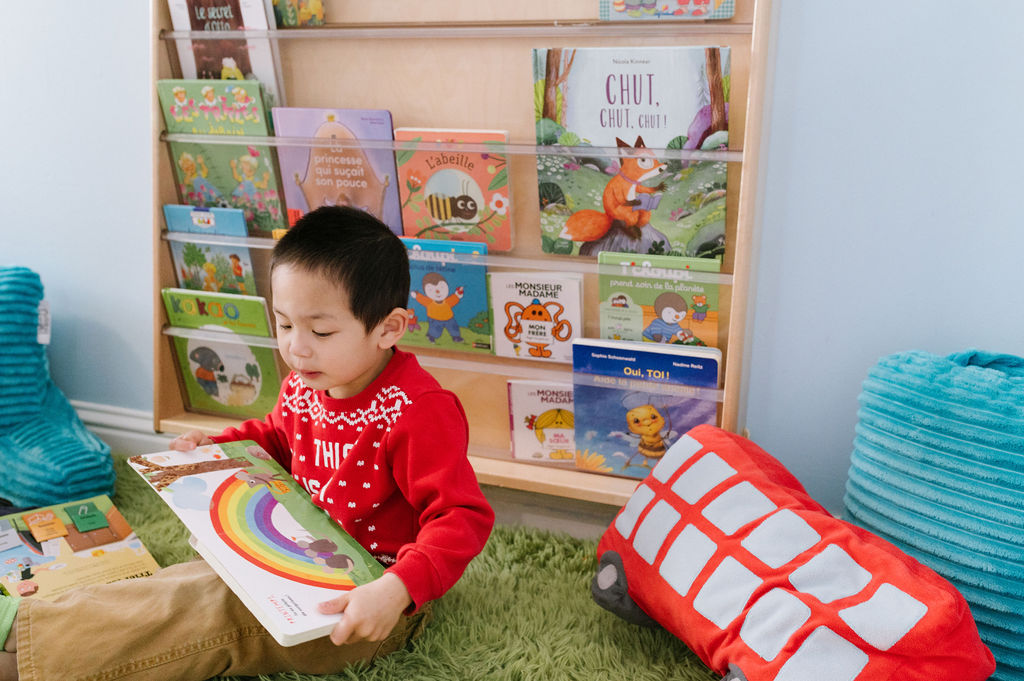
Independence doesn’t happen all at once. It’s built gradually, through consistent expectations and gentle guidance. Here’s what that often looks like in a strong preschool environment:
Children learn how to:
- unpack and organize their belongings
- clean up materials after activities
- follow multi-step instructions
- transition between activities without constant reminders
- participate in group routines respectfully
These aren’t just classroom management tools. They’re life skills. By practicing the same patterns each day, children develop memory, sequencing skills, and responsibility. They begin to understand that they’re part of a community and that their actions matter.
At Au Beau Sejour French Preschool, routines are woven into the day in a way that feels natural and calm. Teachers model expectations, then gradually step back as children gain confidence. The goal isn’t perfection. It’s growth.
Structure and Nurturing Can Coexist
Some parents worry that structure means rigidity. In reality, thoughtful preschool routines create space for warmth and flexibility.
When the framework of the day is steady, teachers have more energy to focus on relationships. They’re not constantly redirecting behavior or managing chaos. Instead, they can notice the child who needs encouragement, the one who’s ready for a challenge, or the one who just needs a quiet moment.
Structure supports nurturing. The two work together.
In a French immersion environment like ABS, routines also help language learning feel accessible. When circle time follows the same rhythm each day, children begin to understand what’s happening even before they understand every word. The predictability of the structure supports comprehension.
Over time, children don’t just follow routines. They own them.
Routines Prepare Children for Elementary School
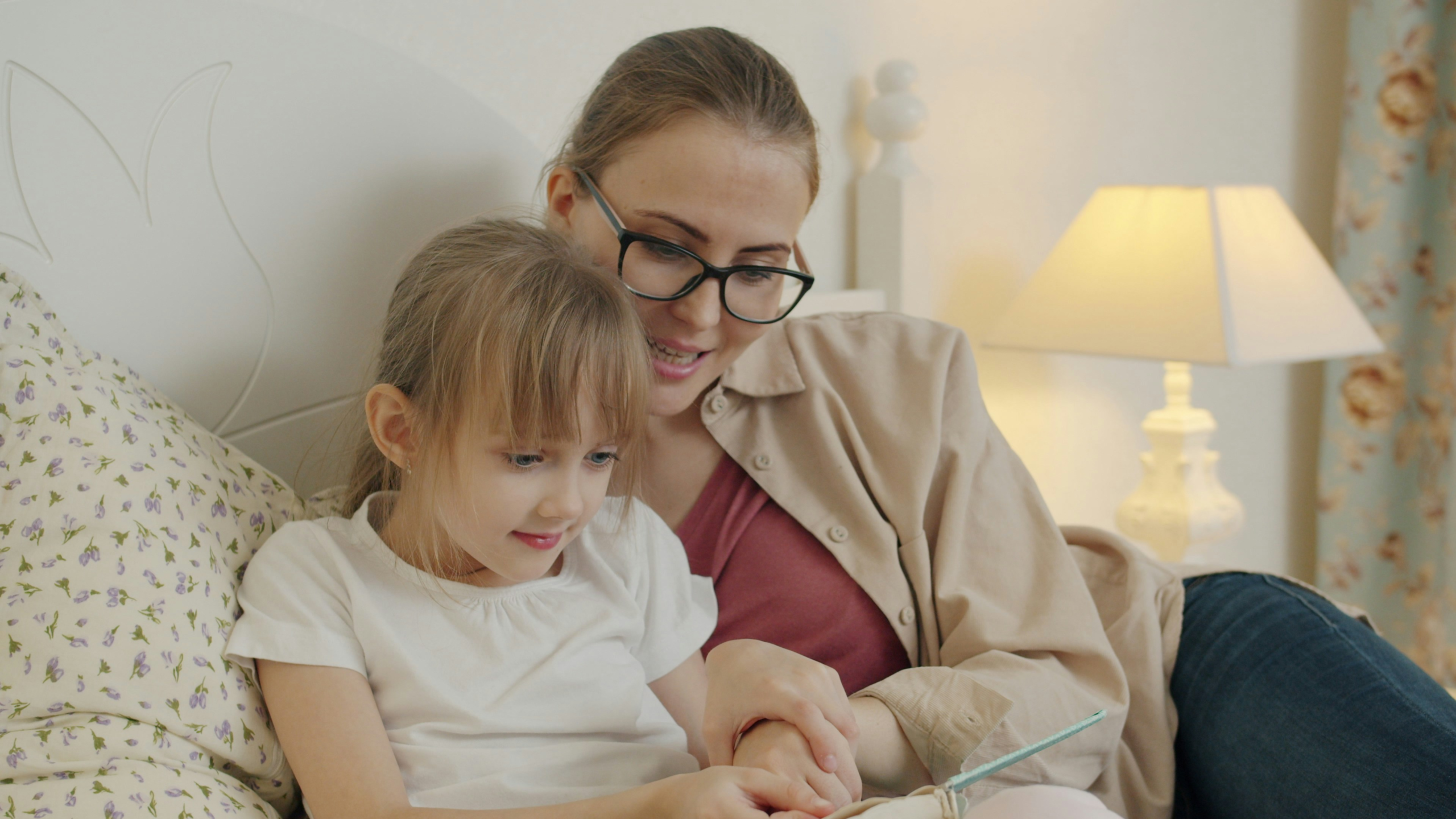
When families think about kindergarten readiness or lower elementary success, they often focus on academics. Can my child recognize letters? Can they count? Are they writing their name?
Those skills matter. But what elementary teachers consistently say they value just as much is independence.
- Can a child manage their materials?
- Can they follow classroom procedures?
- Can they transition calmly between subjects?
- Can they participate in group learning?
Preschool routines build exactly those skills. A child who has practiced structured cleanup, respectful listening, and consistent transitions is far more prepared for an elementary classroom than one who has only practiced worksheets.
In many East Bay elementary schools, children are expected to adapt quickly to new expectations. Students who come from a preschool environment with clear, supportive routines tend to adjust more smoothly. They already understand how a classroom community functions.
The Long-Term Impact of Early Structure
There’s something powerful about watching a young child realize they can do things on their own, and every stage of early learning brings with it new discoveries. The first time they zip their jacket on their own. The first time they remind a friend of the classroom rule. The first time they transition independently to the next activity. These moments may seem small, but they’re not. They shape how children see themselves.
In early childhood development, identity forms quickly. When routines give children consistent opportunities to succeed, they begin to think of themselves as responsible, capable learners. That mindset carries forward into elementary school and beyond.
A Strong Foundation for Growth
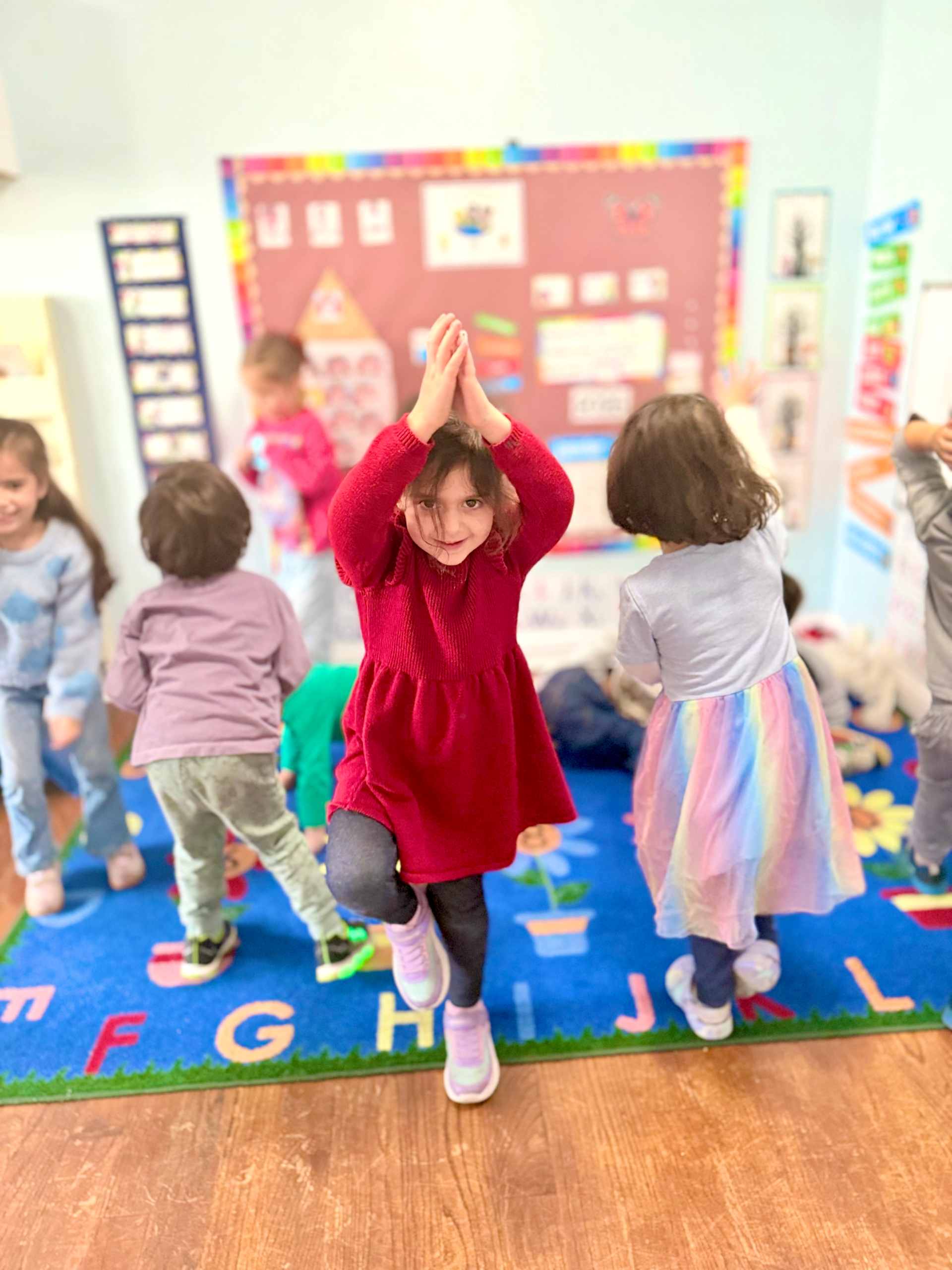
Preschool routines aren’t flashy. They don’t show up in photos the way art projects or performances do. But they’re doing the heavy lifting. They build security, confidence, and independence.
At Au Beau Sejour French Preschool, structured daily rhythms create an environment where children feel supported, capable, and ready to grow. Within that steady framework, curiosity flourishes. Language develops. Social skills deepen.
And when it’s time to move on to elementary school, children don’t just know their letters and numbers. They know how to be students.