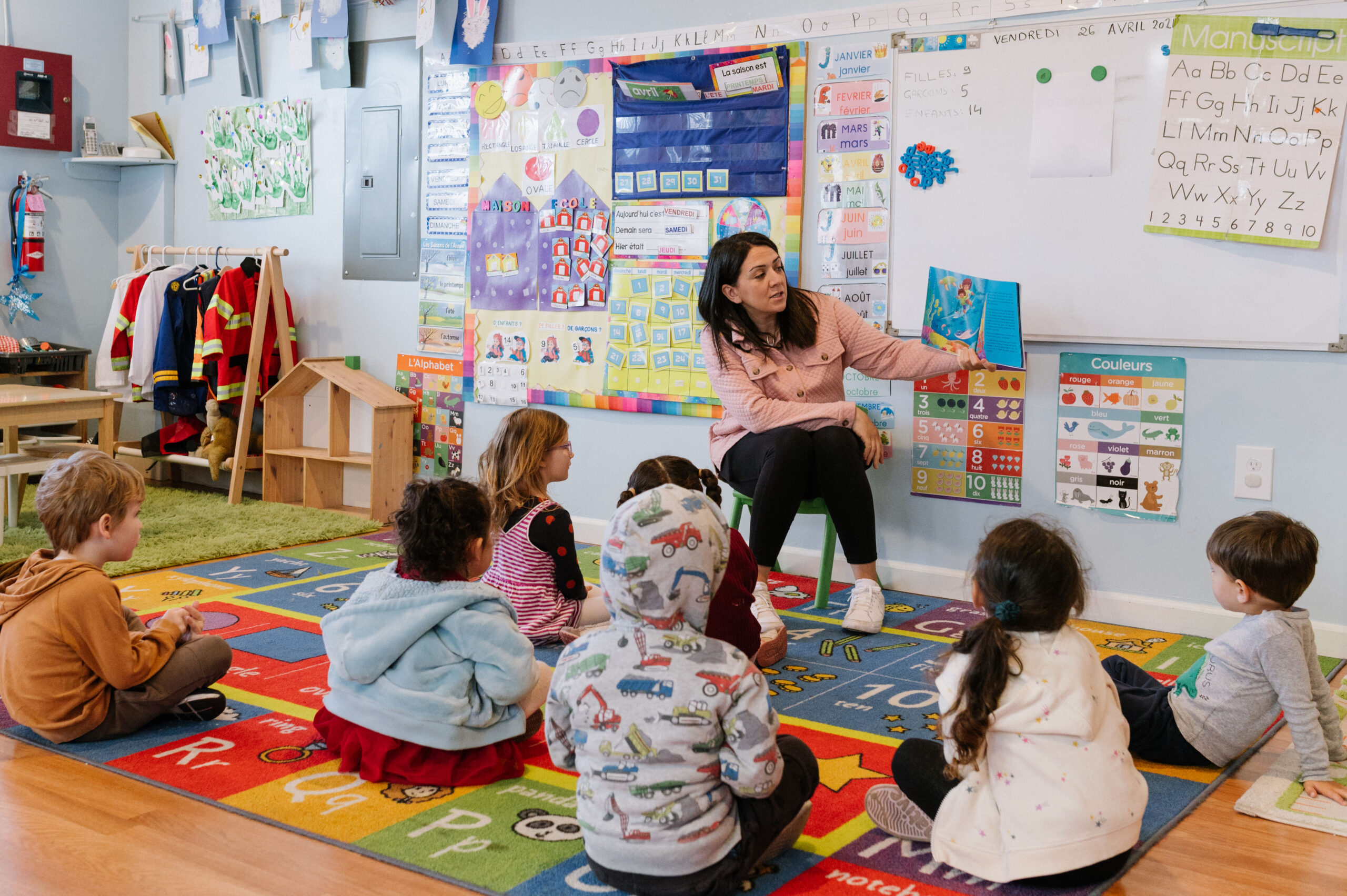
While curriculum and language programs matter, one factor consistently shapes early learning outcomes across all school paths: small class sizes. In early childhood, the size of a classroom has a direct impact on how well children develop confidence, independence, and readiness for future school expectations.
At Au Beau Sejour French Preschool (ABS), small class sizes are not a feature added for convenience. They are a deliberate foundation of the school’s philosophy, supporting children academically, socially, and emotionally in ways that carry forward into elementary school and beyond.
Small class sizes create the conditions children need to thrive, especially during the preschool and kindergarten years when development varies widely from child to child. In a smaller group, teachers are able to observe carefully, respond thoughtfully, and build meaningful relationships that shape how children experience learning.
For families considering a French immersion school, small class sizes are especially important. Immersion learning relies on careful observation, modeling, and responsive interaction. These are far more effective in an environment where teachers have the time and space to engage deeply with each child.
1: Individual Attention Builds Confidence and Independence
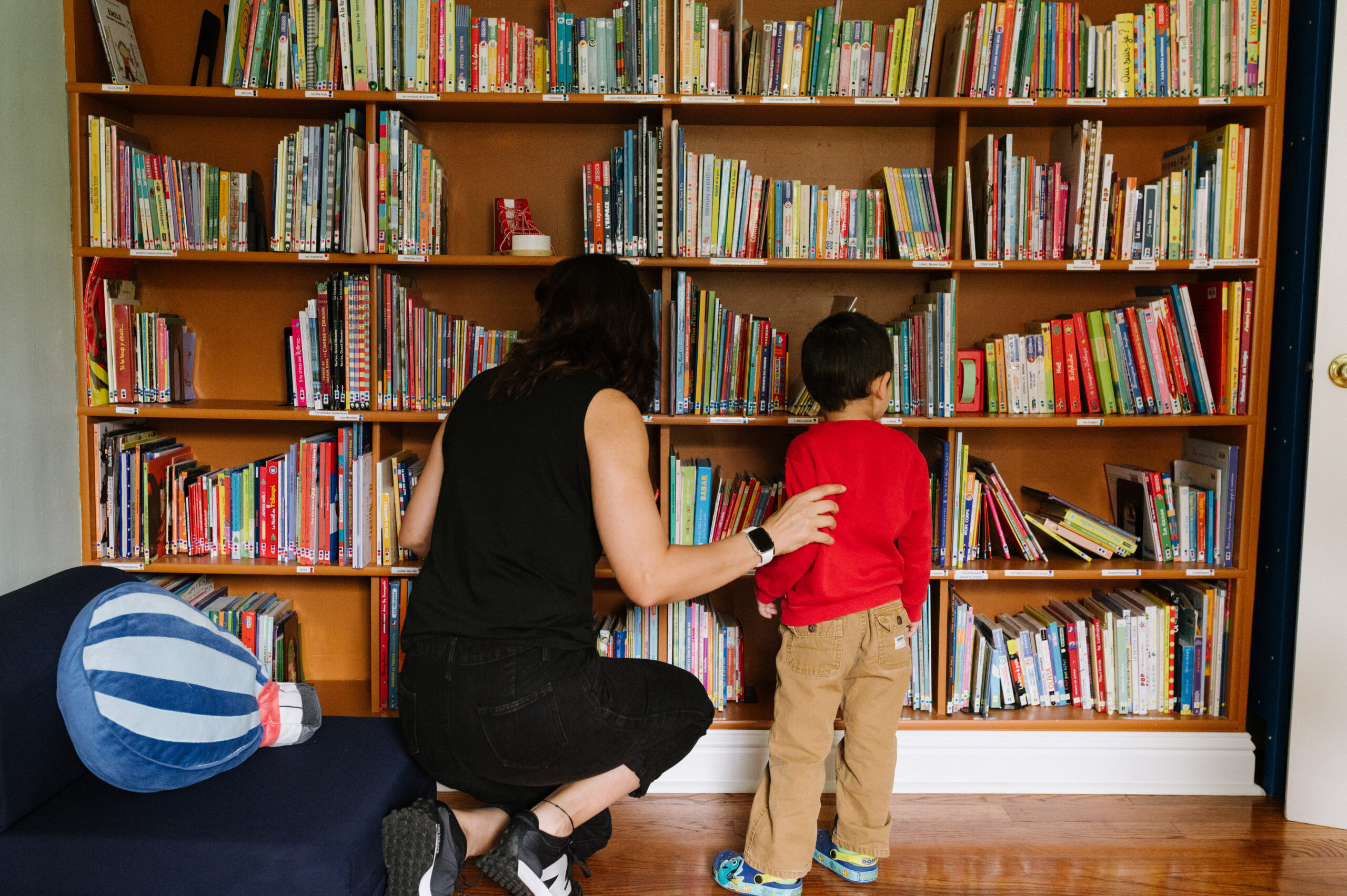
One of the clearest benefits of small class sizes is the level of individual attention children receive. In a smaller group, teachers can notice subtle cues, whether a child is ready for a new challenge, needs reassurance, or benefits from a different approach.
This individualized support helps children build confidence. When children feel secure, they are more willing to try new tasks, express ideas, and take healthy risks in learning. Over time, this confidence translates into independence, a key expectation in elementary school settings.
Schools across the East Bay value students who can manage routines, advocate for themselves, and approach challenges with curiosity. Small class environments help children practice these skills early, making later transitions smoother and less stressful.
At ABS, teachers guide children toward independence at an age-appropriate pace. Whether it is managing materials, transitioning between activities, or participating in group discussions, children learn that they are capable and trusted.
2: Stronger Social and Emotional Development
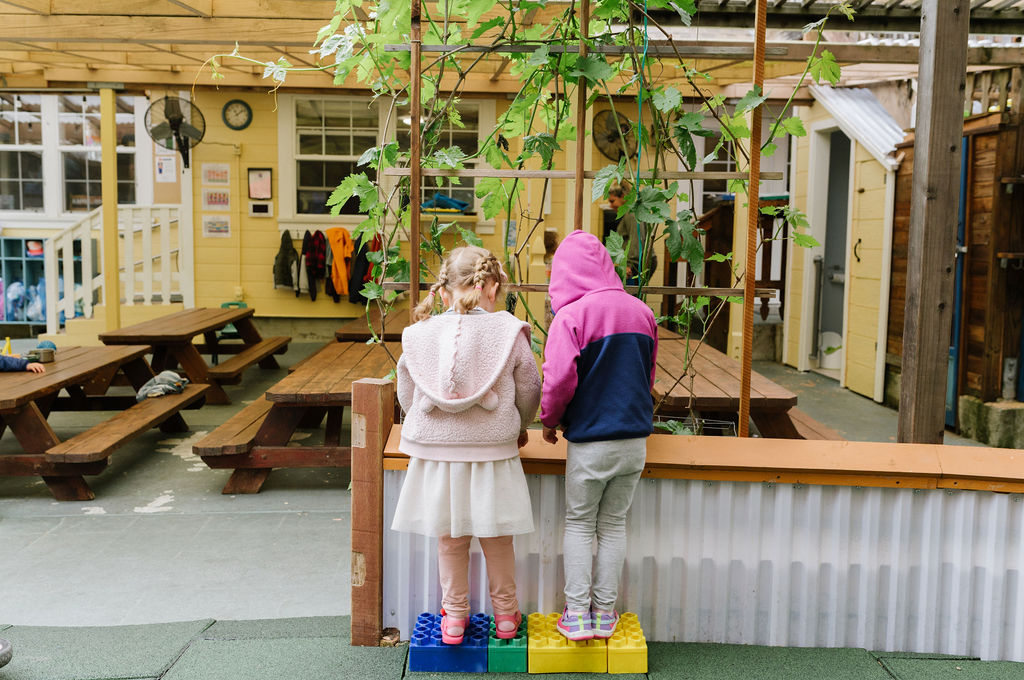
Social and emotional skills are just as important as academic readiness when children move into elementary school. Small class sizes create a calm, supportive environment where children can develop these skills thoughtfully.
In a smaller group, children have more opportunities to build relationships with peers and adults. Teachers can guide social interactions, help children navigate conflict, and model respectful communication. This level of support is difficult to achieve consistently in larger classrooms.
Children learn how to listen, take turns, and collaborate. They also learn how to manage emotions, express needs, and respond to challenges. These skills are essential in any Bay Area school environment, where collaboration and community are central values.
At ABS, the French immersion setting adds another layer of growth. Children learn to communicate across language boundaries with patience and empathy. Small class sizes ensure that this process feels supportive rather than overwhelming.
3: Deeper Learning in a French Immersion Environment
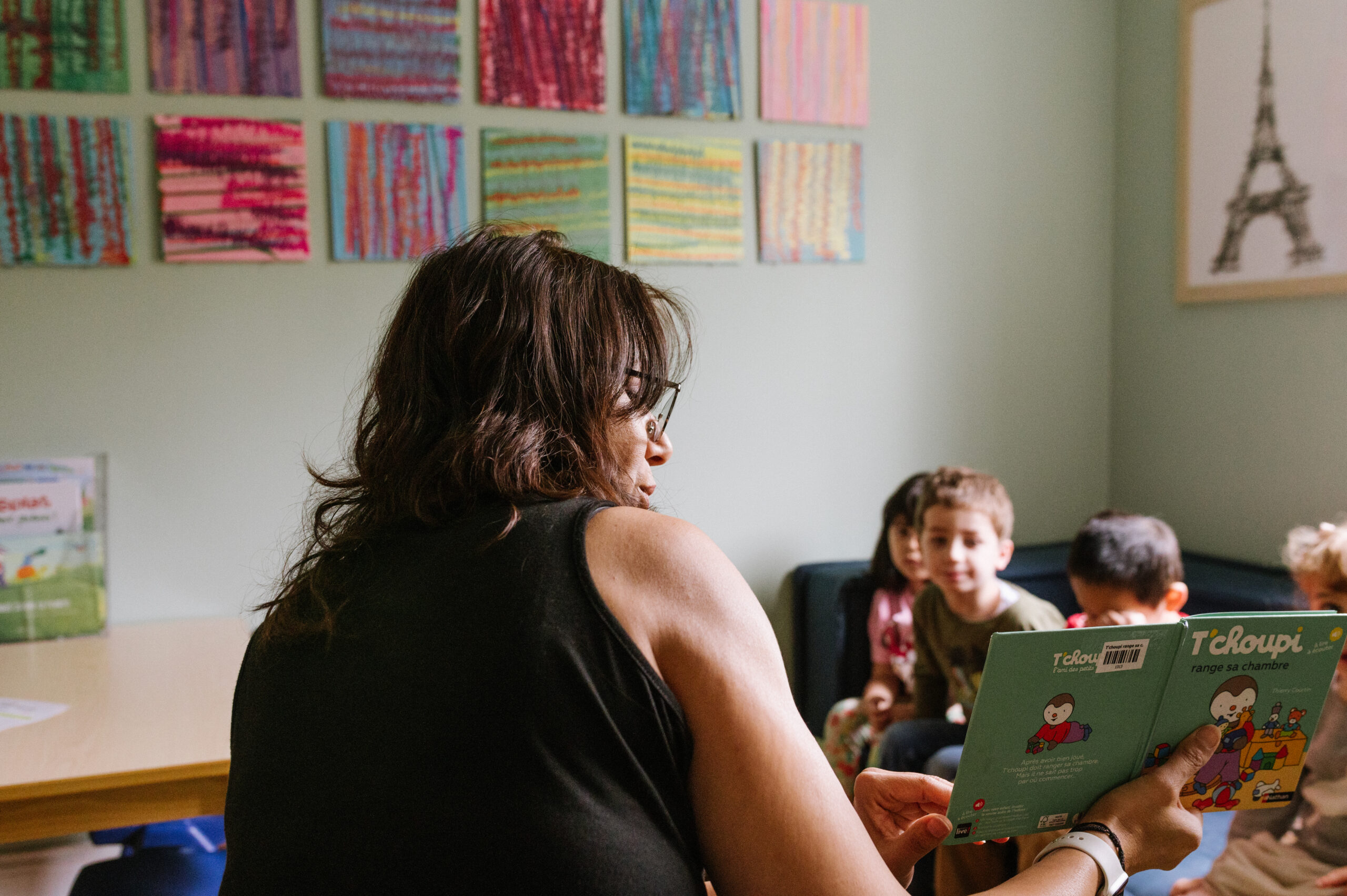
In a French immersion school, language learning is woven into every part of the day. Children listen, observe, and gradually participate in French through routines, stories, play, and conversation. Small class sizes make this process more effective and more inclusive.
Teachers can adjust their language, use gestures and visual cues, and repeat key phrases based on each childs comprehension. Children are not pressured to speak before they are ready. Instead, they build understanding at their own pace, which supports both language development and emotional well-being.
This depth of engagement strengthens cognitive skills such as attention, working memory, and problem-solving. These skills are highly valued in elementary school settings, where students are expected to follow multi-step directions, adapt to new routines, and think critically.
Families often notice that children who come from small, language-rich preschool environments transition more easily into a variety of elementary programs. They are comfortable listening carefully, asking questions, and engaging with new material, whether in a French or English setting.
Connecting Early Education to East Bay School Goals
Many East Bay schools, including independent and public programs alike, emphasize the importance of well-rounded students. They look for children who are academically prepared, socially aware, and emotionally resilient.
Small class sizes in early childhood support all of these goals. They allow children to develop a strong sense of self, positive learning habits, and the ability to engage respectfully with others. These qualities align with the values of many East Bay schools, regardless of specific curriculum or structure.
At ABS, the focus is not on preparing children for one particular school, but on preparing them for success wherever they go next. Small class sizes ensure that each child receives the attention and support needed to grow into a confident learner.
A Strong Start That Lasts
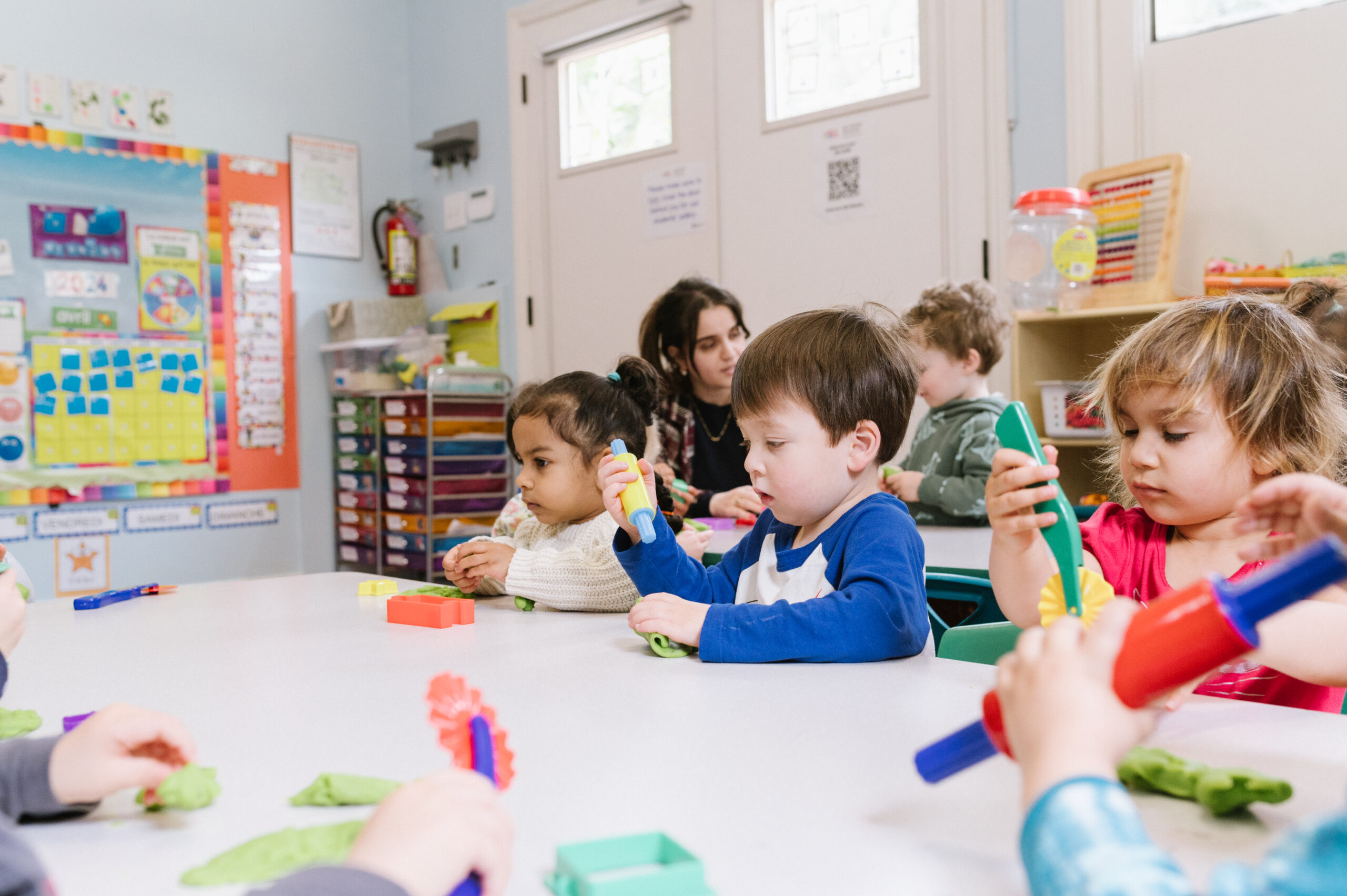
Choosing a preschool is about more than the next year or two. It is about setting the tone for how a child experiences school, learning, and themselves as a student.
At Au Beau Sejour French Preschool, small class sizes create an environment where children feel known, supported, and capable. Combined with French immersion and a whole-child approach, this foundation supports long-term success across the East Bay school landscape.
For families thinking ahead to elementary programs, small class sizes offer a meaningful starting point. They help children build the confidence, independence, and readiness that matter most.