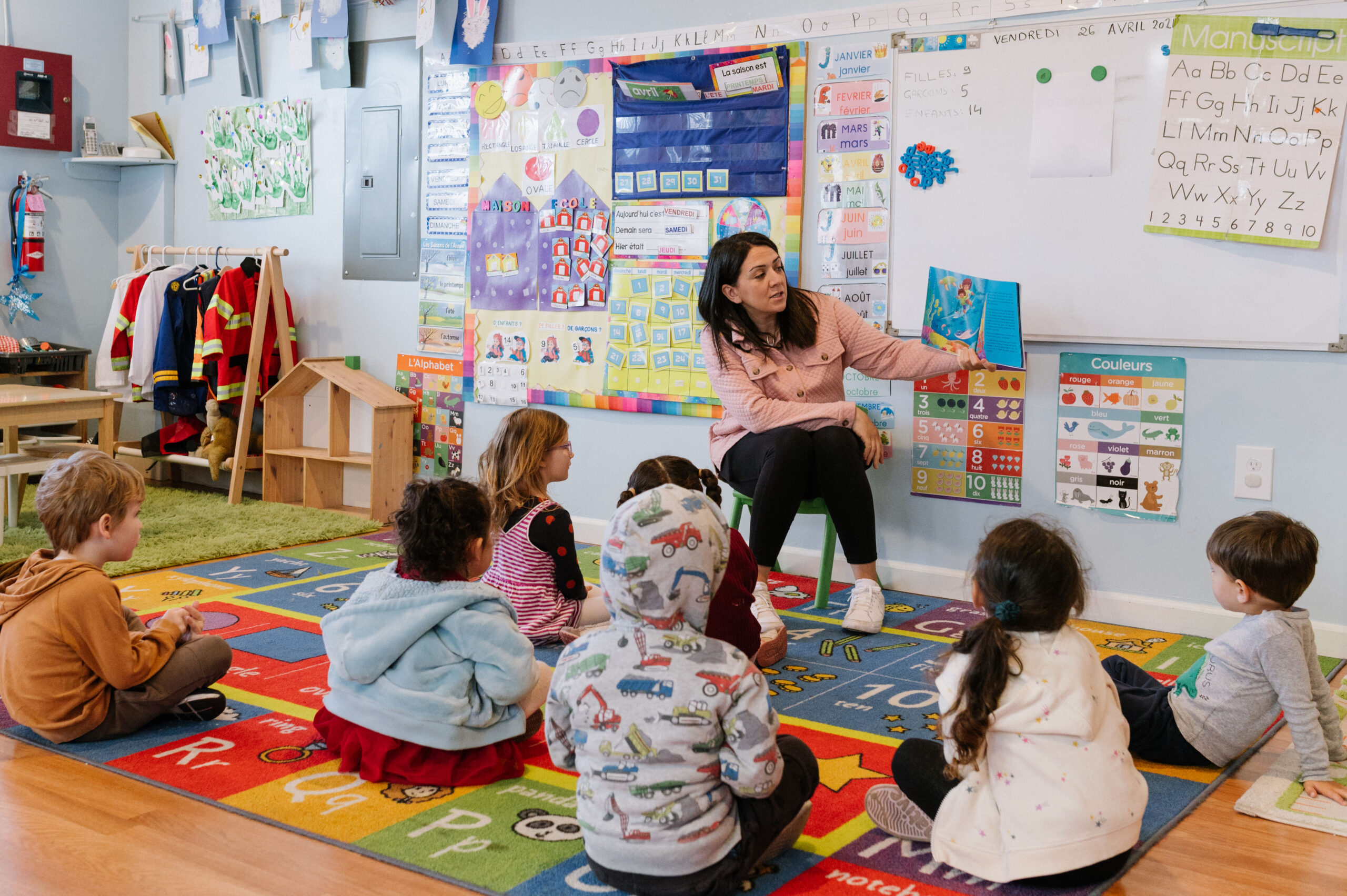
If you’ve ever walked into a preschool classroom, you can feel the difference immediately. In some, the energy hums with calm curiosity, children are busy, teachers are attentive, and every little voice has space to be heard. In others, the room feels busier, with children competing for attention or direction. The difference often comes down to one key factor: class size.
In early childhood education, the number of children per teacher isn’t just a statistic; it’s the heart of quality care and learning. When class sizes are small, children thrive emotionally, socially, and academically. They form stronger relationships with their teachers, feel safer exploring, and build the confidence to express themselves.
At Au Beau Séjour French Preschool (ABS) in Oakland, small class sizes aren’t an afterthought; they’re a guiding principle. Whether in infant care, toddler classrooms, or preschool programs, ABS maintains low ratios so every child receives the attention and support they deserve.
Let’s explore why small class sizes matter so much in these foundational years, and how they shape everything from brain development to lifelong learning habits.
The Science Behind Small Class Sizes
Early Childhood Is All About Relationships
From birth through kindergarten, children’s brains develop faster than at any other time in life. During these years, relationships are the primary drivers of learning. Infants and toddlers learn language, problem-solving, and emotional regulation through constant back-and-forth interactions with caregivers.
In small groups, these interactions happen naturally and often. Teachers have time to listen, respond, and tailor their care to each child’s needs. That emotional responsiveness wires the brain for trust and curiosity, two key ingredients for lifelong learning.
The “Serve and Return” Effect
Researchers call this process “serve and return.” When a child points, babbles, or gestures (“serves”), an attentive adult notices and responds (“returns”). This back-and-forth builds neural connections and language comprehension.
In overcrowded classrooms, teachers simply don’t have the capacity for enough of these moments. A smaller ratio (like ABS’s two teachers per classroom) ensures that every child is noticed, heard, and guided through meaningful interactions each day.
Emotional Safety and Belonging
Why Feeling Seen Comes First
Before children can learn letters or numbers, they need to feel emotionally safe. Small class sizes allow teachers to form genuine, nurturing relationships with every child, relationships rooted in understanding individual temperaments, comfort objects, and communication styles.
When children feel known, they explore freely, take healthy risks, and develop independence. They also learn to trust adults outside their family, a crucial milestone for toddlers and preschoolers entering school-based care for the first time.
The Role of Predictability
Consistency is comforting. In a small group, teachers can maintain predictable routines, respond promptly to emotional needs, and notice subtle changes, like when a typically chatty toddler becomes quiet or when a preschooler seems extra tired.
This level of attentiveness is almost impossible in large groups. Smaller classes let teachers adjust the day to fit the children, not the other way around.
At ABS, classrooms are intentionally designed for small-group learning; cozy reading corners, low tables, and flexible activity stations where teachers move seamlessly between children instead of managing chaos.
Language and Cognitive Development
More Conversations, More Learning
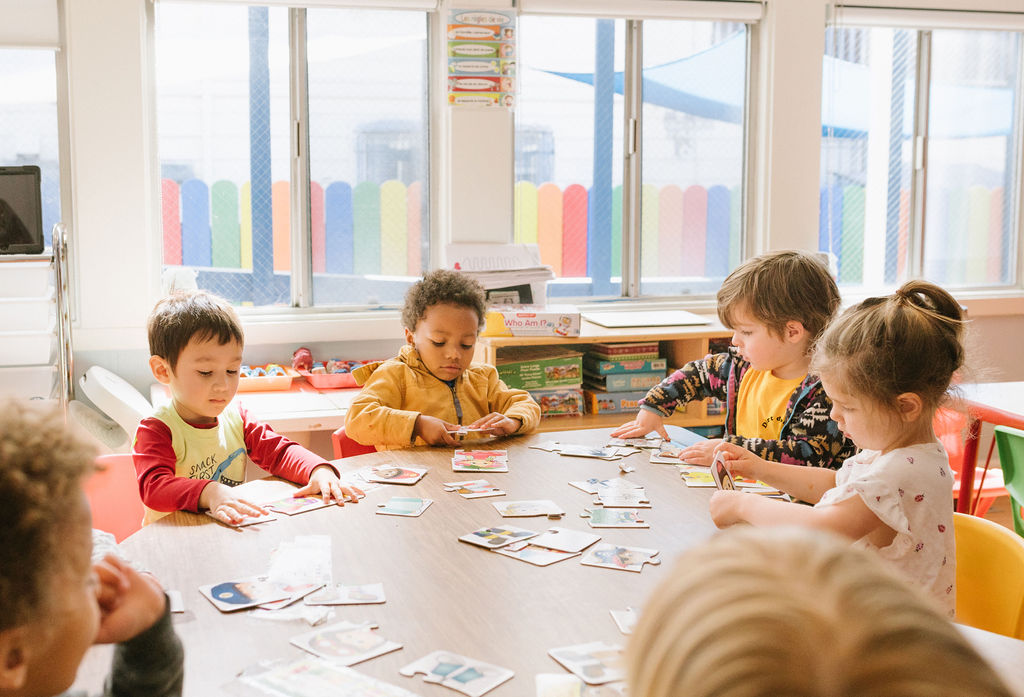
Language grows through conversation, not lecture. In small classrooms, every child has opportunities to talk, listen, and respond. Teachers can model vocabulary, correct gently, and encourage storytelling, interactions that expand a child’s expressive and receptive language skills.
This is especially powerful in bilingual or French immersion settings like ABS. When teachers have time to engage one-on-one, they can adjust speech, use gestures, and repeat key phrases, helping children grasp new words faster.
Personalized Learning
Every child develops at their own pace. In a large classroom, instruction tends to cater to the group average, leaving some children under-challenged and others overwhelmed.
Smaller class sizes allow teachers to observe carefully and differentiate learning, offering extra support where needed or introducing more complex challenges when a child is ready. For example:
- A toddler struggling with fine-motor skills might get one-on-one help threading beads.
- A preschooler showing curiosity about numbers might start exploring simple addition with hands-on games.
At ABS, this individualized pacing ensures no child slips through the cracks, and no child feels rushed ahead before they’re ready.
Behavior, Cooperation, and Social Skills
More Teachers, Fewer Tantrums
Any parent knows that big groups of small children can quickly become overwhelming. When classrooms are crowded, it’s harder for teachers to anticipate needs or prevent conflicts before they escalate.
In smaller groups, teachers can redirect early, teach problem-solving calmly, and model emotional language:
- “You’re upset because you wanted the truck. Let’s find another together.”
- “I see you’re frustrated. Can you ask for help in French?”
Because children receive attention before frustration builds, they learn self-regulation more naturally.
Building Empathy and Community
In smaller settings, children recognize familiar faces and learn to collaborate meaningfully. Teachers can pair children intentionally, a shy child with a confident partner, or a talkative preschooler with one still developing language skills.
The result? Deeper friendships, smoother cooperation, and genuine empathy, traits that research links to better long-term academic and social outcomes.
ABS emphasizes these relationships daily. In French, children learn phrases of politeness (s’il te plaît, merci, pardon), helping them communicate respectfully with peers and adults alike.
Supporting Toddlers: The Power of Attention
Toddlers Need to Be Seen
Toddlers live in the moment; their emotions, discoveries, and questions all demand immediate response. In small class sizes, teachers have the capacity to tune in. They notice when a child is hungry, tired, or struggling with a new transition.
When children feel seen, they learn that their needs matter, a critical foundation for emotional health.
Potty Training, Transitions, and Teaching Independence
These early years involve many personal milestones: potty training, learning to dress, sharing, and cleaning up. Teachers in small classrooms can offer patient guidance and encouragement at each step.
At ABS, for example, teachers work side by side with toddlers as they learn self-help routines. Instead of hurrying through the day, the class slows down so that every child has the time to practice independence successfully.
This individualized attention reduces stress for children and families alike, especially when balancing transitions between home and school.
Benefits for Infants: Nurturing One-on-One Care
The Smallest Learners Need the Most Care
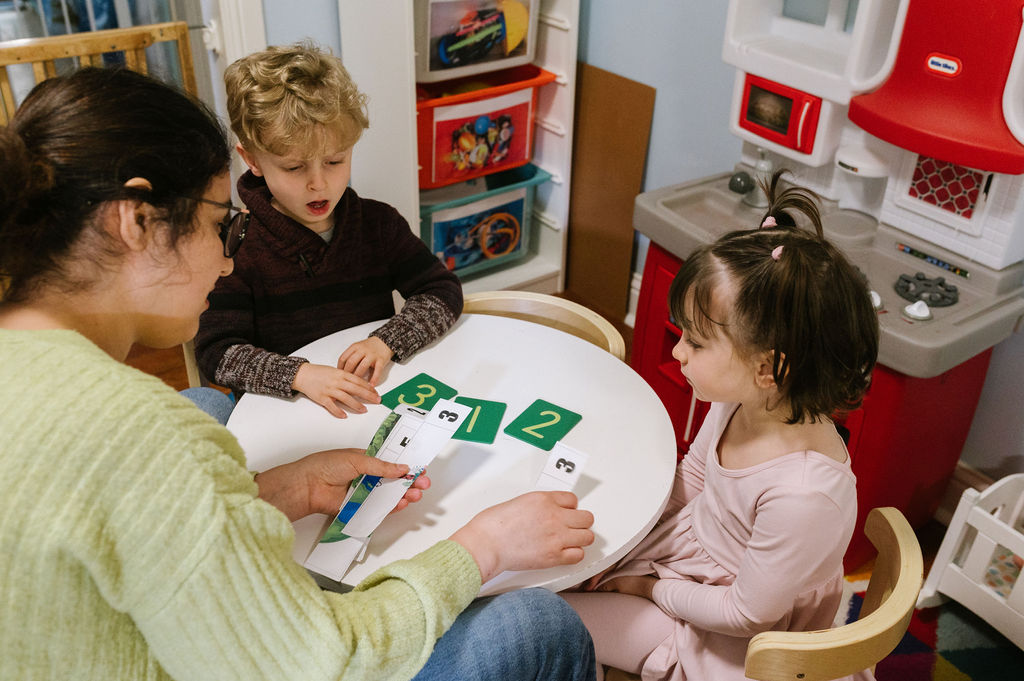
In infant care, small class sizes are essential for safety and development. Each baby has unique feeding, sleeping, and soothing needs. Caregivers with fewer infants can provide genuine, one-on-one care. Holding, rocking, and responding to cues promptly.
This closeness isn’t just comforting; it builds secure attachment. Babies who feel secure are more likely to explore, babble, and develop healthy sleep and eating patterns.
At ABS, the infant program prioritizes these relationships. Teachers know every baby’s preferences, from favorite lullabies to nap-time rituals, ensuring consistent comfort throughout the day.
The Teacher’s Perspective
More Time for Observation and Connection
Teachers in smaller classrooms have the freedom to teach creatively rather than just manage logistics. They can sit on the floor, engage in child-led projects, and observe development closely.
Observation is vital in early childhood education. It allows teachers to:
- Identify early signs of developmental strengths or concerns
- Adapt activities to match interests
- Communicate meaningful updates to families
This strong teacher-family partnership is a hallmark of quality child care centers like ABS. Parents receive thoughtful, detailed feedback rather than rushed daily reports.
Lower Burnout, Higher Quality
Smaller classes also benefit teachers’ well-being. Managing fewer children reduces stress, allowing educators to remain calm, attentive, and enthusiastic. Teachers who feel supported create more positive, stable classrooms, a win for everyone.
Family Partnerships in Small Programs
Stronger Communication
In smaller settings, teachers and families naturally build stronger relationships. Parents know their child’s caregivers by name, and teachers understand each family’s routines, goals, and concerns.
At ABS, daily communication is part of the culture. Teachers share updates, photos, and insights that help parents stay connected to their child’s growth. This partnership builds trust and ensures consistency between home and school.
Tailored Transitions
Moving from infant care to toddler class, or preschool to pre-kindergarten, can be emotional for families. In a small school environment, these transitions are personalized. Teachers collaborate closely to introduce new routines gradually, helping children adjust confidently.
Families appreciate this continuity, the same caring faces supporting their child year after year.
Academic Benefits: Quality Over Quantity
While early education is about more than academics, research consistently shows that small class sizes improve school readiness.
Children in smaller early learning environments demonstrate:
- Higher language and literacy scores
- Stronger math reasoning
- Greater engagement and curiosity
- Better self-regulation and attention span
When teachers have time to guide exploration instead of managing crowd control, children absorb more and retain what they learn.
At ABS, the small-group model supports bilingual education beautifully. Each teacher has time to reinforce new French vocabulary, answer individual questions, and ensure every child feels confident participating — even if they’re still learning the language.
Small Classes, Big Confidence
The long-term impact of small class sizes can’t be overstated. When children are known, heard, and guided personally, they develop a sense of competence that carries into elementary school and beyond.
They learn to:
- Speak up for themselves
- Collaborate kindly with others
- Tackle challenges independently
- Trust their teachers and their own abilities
These are the hallmarks of confident learners, and they begin in classrooms where every child has space to shine.
Why ABS Keeps Classes Small
At Au Beau Séjour French Preschool, small class sizes are intentional. The school’s philosophy centers on quality over quantity, prioritizing meaningful teacher-child relationships over large-scale enrollment.
- Infant Care: Low ratios ensure personalized attention and consistent comfort.
- Toddler Programs: Thoughtfully sized groups and a supportive teaching team nurture growing independence with patience and care.
- Preschool and Pre-K: Small groups allow for interactive bilingual instruction, group discussions, and one-on-one support.
Each setting is designed for warmth, engagement, and calm, the foundation for joyful, effective learning.
The Small Difference That Makes the Biggest Impact
When parents tour preschools or child care centers, they often ask about curriculum, playgrounds, or hours. But one of the most telling questions to ask is:
“How many children are in each class?”
Because behind every great early childhood experience is the invisible magic of scale, classrooms small enough for connection, teachers with time to listen, and children confident enough to explore. Small class sizes mean big opportunities: for language growth, creativity, independence, and lifelong learning. From infants to kindergarten, every child deserves to be seen, and in a smaller classroom, they always are.