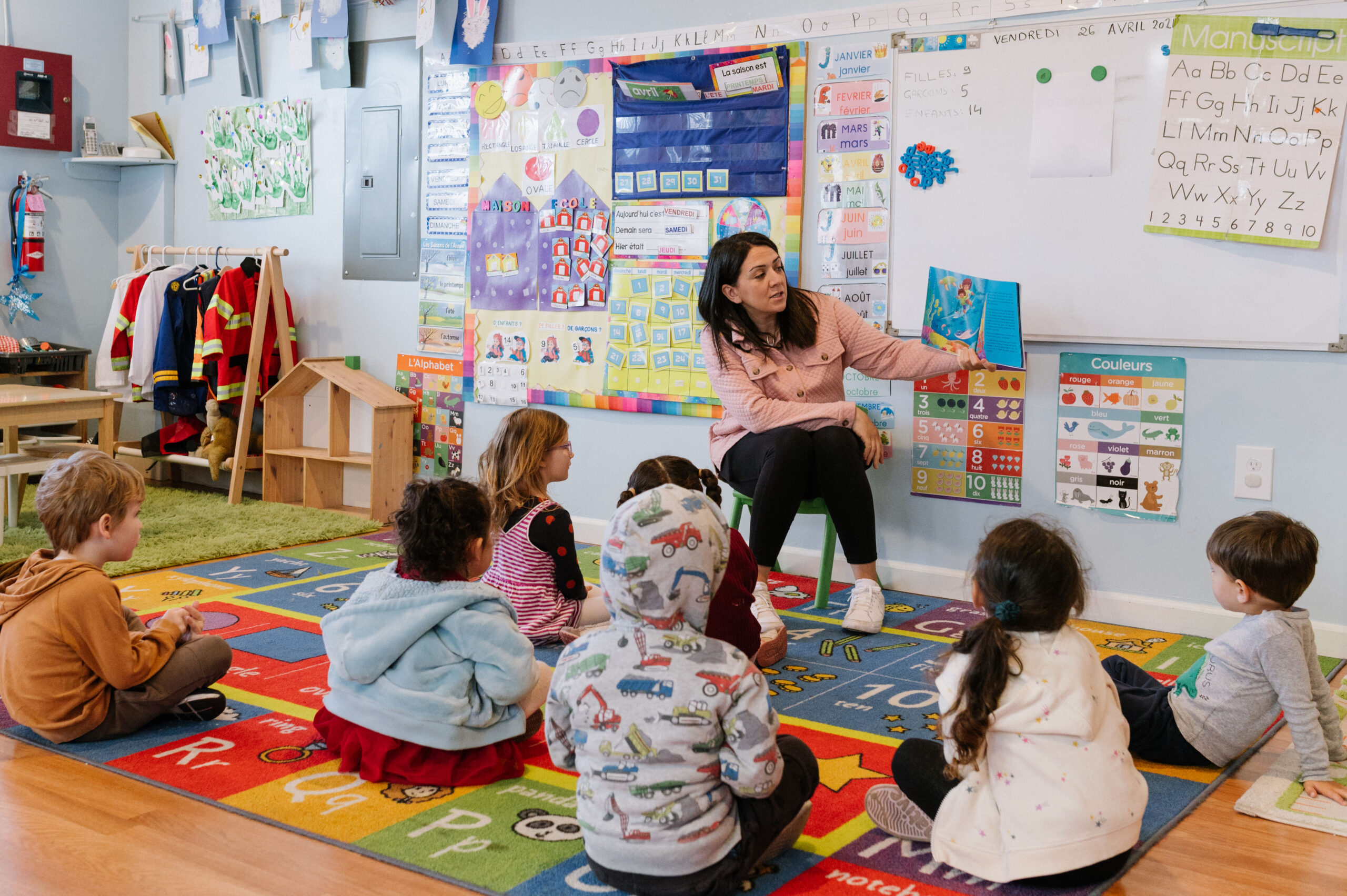
As young children grow, their brains rapidly develop the ability to shift attention, solve problems, and adapt to new situations. These mental skills, known collectively as cognitive flexibility, become the foundation for learning across subjects and for navigating everyday challenges. For families exploring education, understanding how cognitive flexibility develops is especially meaningful because research consistently shows that bilingualism strengthens the brain in unique and lasting ways.
At Au Beau Séjour French Preschool, our French immersion school environment provides more than language exposure. It nurtures curiosity, adaptability, and strong executive functioning through immersive, whole-child experiences. In honor of broader conversations happening during Neurodiversity Month, it’s valuable to highlight how children’s brains naturally develop differently, and how bilingualism can support a wide range of learners through its rich, flexible approach.
What Is Cognitive Flexibility (& Why Does It Matter?)
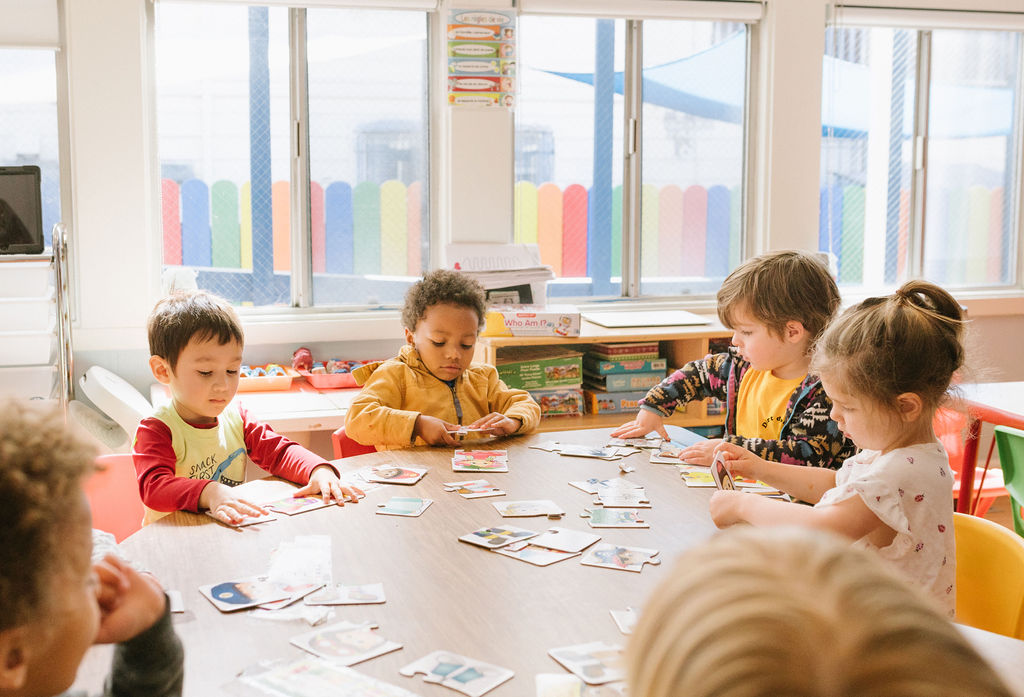
Cognitive flexibility is the brain’s ability to switch between tasks, adjust to new rules, and see things from multiple perspectives. For young children, this might look like moving from playtime to cleanup smoothly, trying a new strategy when a puzzle doesn’t fit, or understanding that a friend may feel differently than they do.
These skills matter because they directly support reading comprehension, emotional regulation, problem-solving, and eventually academic success. Elementary classrooms in Oakland and throughout the East Bay expect children to follow multi-step directions, collaborate with peers, and adapt to new expectations daily. Cognitive flexibility makes those transitions feel manageable rather than overwhelming.
French immersion strengthens these foundational abilities by inviting children to interpret, navigate, and make meaning in two languages, an experience shown to expand executive functioning in ways monolingual learning typically does not.
How Bilingual Brains Build Stronger Executive Functioning
Children in bilingual environments frequently practice switching between linguistic systems. Even when they are not actively speaking both languages, their brains are constantly comparing, filtering, and organizing information. This “mental workout” strengthens the very systems responsible for attention, working memory, and flexible thinking.
Studies on bilingualism consistently highlight three key cognitive benefits:
1. Stronger Attention Control
Bilingual children learn to focus on the language being used while inhibiting the other. This strengthens selective attention, a skill they apply in the classroom when filtering distractions or choosing which piece of information to respond to.
2. Enhanced Working Memory
Working memory allows children to hold and process information at the same time, such as remembering instructions while completing a task. Bilingualism naturally exercises this system as children store vocabulary, sentences, and sounds across two languages.
3. Greater Adaptability
Because bilingual children switch between languages depending on the situation, they develop mental flexibility that extends beyond language. They approach new tasks with curiosity and navigate challenges with more ease.
These cognitive benefits support all learners, including neurodivergent children who may require additional pathways for engagement. In a well-supported school environment, children experience language, routine, and problem-solving through multiple sensory and cognitive channels, which allows different types of thinkers to thrive.
What Cognitive Flexibility Looks Like in a French Immersion Classroom
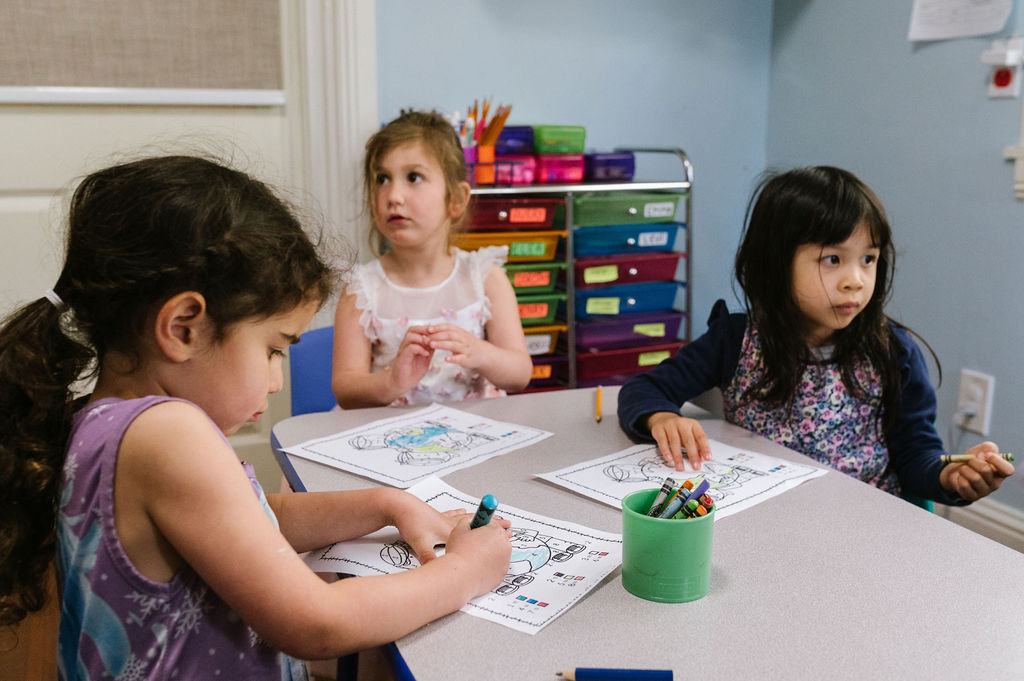
French immersion at ABS is built into the rhythm of the day, not through isolated lessons, but through songs, stories, routines, art, and conversation. This approach allows children to absorb language naturally while strengthening their cognitive skills in meaningful contexts.
A child might hear instructions in French, observe a peer modeling the activity, and then respond in English or French as they become more comfortable. The act of interpreting and participating strengthens neural connections associated with executive functioning.
Even simple moments build cognitive flexibility, such as:
- using gestures, visual cues, or context to interpret meaning
- understanding that one object can have two names (chien/dog)
- adapting to new classroom routines shared in French
These small, everyday experiences create a classroom culture where problem-solving, adaptability, and curiosity feel natural rather than intimidating. Parents can help support this by incorporating bilingualism in the home.
Supporting All Learners Through a Whole-Child Approach
Cognitive flexibility develops most effectively when children feel emotionally secure, socially supported, and able to express themselves. The ABS whole-child philosophy ensures that every student — whether typically developing or neurodivergent — has access to multiple pathways for success.
Teachers use visual supports, predictable routines, and sensory-rich activities that help children process information in ways that feel comfortable for them. Language immersion enhances rather than complicates this process, because the learning environment relies heavily on gestures, modeling, rhythm, and repetition.
Children who thrive on structure benefit from the clear routines of the French Maternelle approach. Those who learn best through movement enjoy kinesthetic language activities. Ones who are introverted may listen quietly before speaking, which is a natural and respected part of bilingual development.
By creating a nurturing, relationship-centered environment, ABS ensures that cognitive flexibility is not only taught but experienced through daily interactions, emotional connections, and meaningful exploration.
Bilingualism as a Long-Term Advantage
As children grow into elementary school and beyond, the cognitive benefits of bilingualism continue to support learning. Students who develop bilingual skills early tend to show stronger reading comprehension, more resilient problem-solving, and greater adaptability in new academic settings.
These skills become especially valuable when transitioning to Lower Elementary programs across Oakland, where classrooms are fast-paced and increasingly collaborative. Bilingual students often demonstrate confidence when approaching new tasks, switching subjects, or interpreting unfamiliar material.
Beyond academics, bilingualism fosters global awareness and cultural empathy, qualities that enrich community, friendships, and future opportunities.
The ABS Difference: A French Immersion School Designed for Whole-Brain Growth
At Au Beau Séjour French Preschool, cognitive flexibility is not a separate goal; it is woven into the very fabric of French immersion. Through language, play, structure, and connection, children develop the mental tools that support learning across subjects and throughout life.
Families choose ABS for many reasons — including community, culture, warmth, and French immersion education — but they often discover the deeper benefits as their children grow: greater adaptability, problem-solving skills, and resilience. These are the skills that help children flourish in a rapidly changing world.
To learn more, schedule a tour.