There are few milestones in early childhood as emotional and memorable as your toddler’s first week of preschool. It’s a week filled with excitement, and often a few tears, from both children and parents alike. For families, it marks a new beginning: a child’s first steps into a world beyond home, where they’ll meet teachers, make friends, and begin learning the rhythms of a classroom community.
At Au Beau Séjour French Preschool (ABS) in Oakland, we know that the first week lays the foundation for a child’s entire early education journey. It’s a time of small adjustments that grow into big developmental leaps. Understanding what to expect during these first days can ease anxiety and help you support your toddler through one of the most meaningful moments of early learning.
The Emotional Landscape of the First Week
The first week of preschool is often described as a “big adjustment,” but it’s more accurately a process of trust-building. For toddlers, many of whom have spent most of their time at home or in small child care settings, entering a preschool classroom means navigating new faces and routines.
It’s normal for children to experience a wide range of emotions. Some may rush into the classroom with excitement, exploring every corner and eagerly joining activities. Others might cling to a parent or cry during drop-off. Both are perfectly normal. A toddler’s ability to regulate emotions is still developing, and big changes often bring big feelings.
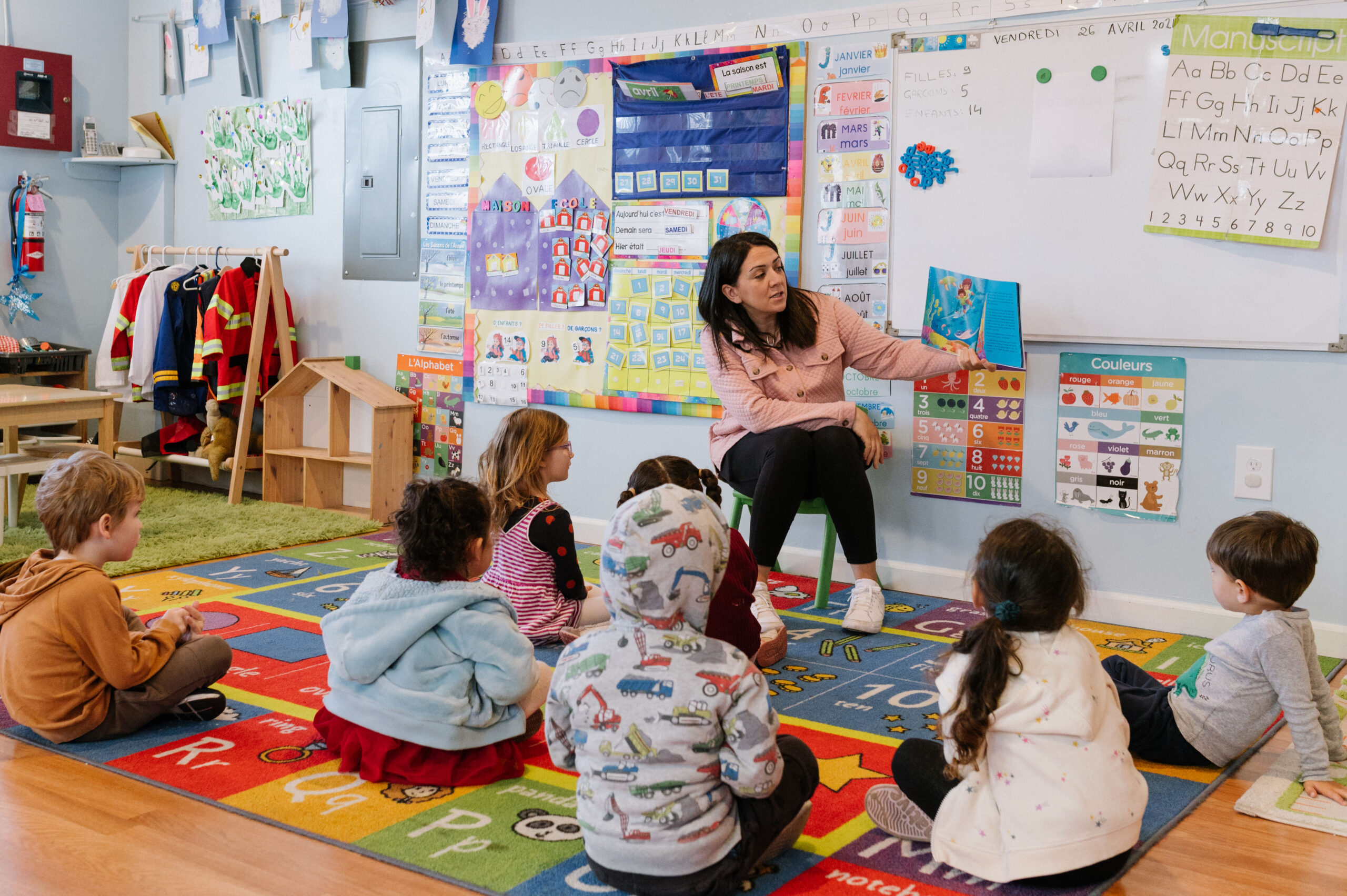
During the first few days, teachers focus less on formal instruction and more on emotional connection. At ABS, educators help each child find comfort with familiar rituals: a morning song, a favorite book, or a cozy corner where they can watch until they feel ready to join in.
By midweek, many toddlers begin to show signs of settling. They recognize their cubby, remember where to hang their backpack, and start using names of classmates or teachers. These small steps signal that trust is growing, and with trust comes curiosity, the foundation for all learning.
Adjusting to New Routines
Preschool is often a toddler’s first introduction to structured routines beyond the family home. From snack time and circle time to outdoor play and nap schedules, the day is divided into moments that balance learning with rest. While this predictability helps toddlers feel secure, it can take a few days for their bodies and minds to adjust.
In the first week, it’s common for toddlers to seem extra tired or even a little cranky at home. They’re processing an enormous amount of new information. Their growing brains are working overtime. Parents sometimes worry that their child seems withdrawn or unusually quiet after school, but this is often just a sign of cognitive and emotional fatigue.
At ABS, teachers keep transitions gentle and flexible. A child who’s not ready to participate in circle time can observe from a distance, one who’s struggling at lunch is guided patiently through new mealtime routines. Teachers watch carefully for cues of hunger, tiredness, or overstimulation, ensuring that every child’s adjustment is handled with empathy and care.
Consistency is key. The same teachers greet the children each day and activities are introduced gradually. Within a week or two, toddlers begin to anticipate what activity comes next, and that anticipation becomes comfort.
Separation Anxiety: Normal and Temporary
Perhaps the hardest part of the first week, especially for parents, is saying goodbye. Separation anxiety is a normal response for toddlers who are still learning that their parents will always return. The important thing is to approach goodbyes with confidence and consistency.
Parents sometimes try to sneak away while their child is distracted, hoping to avoid tears. While understandable, this can increase anxiety in the long run, as children may become wary that a parent could disappear at any time. A better approach is to keep goodbyes short and positive. A cheerful wave, a hug, and a reassuring “I’ll see you after school” helps toddlers begin associating drop-off with safety and routine.
It’s also perfectly normal for parents to experience their own form of separation anxiety. Many adults find the first drop-off unexpectedly emotional. At ABS, we remind families that this mix of pride and sadness is a reflection of love, and that children sense and mirror the calm confidence of their caregivers.
The Role of Teachers
In high-quality preschools, teachers are far more than supervisors, they are emotional anchors and developmental guides. During the first week, their goal is to help each child feel safe and connected. They observe how toddlers communicate and what comforts them.
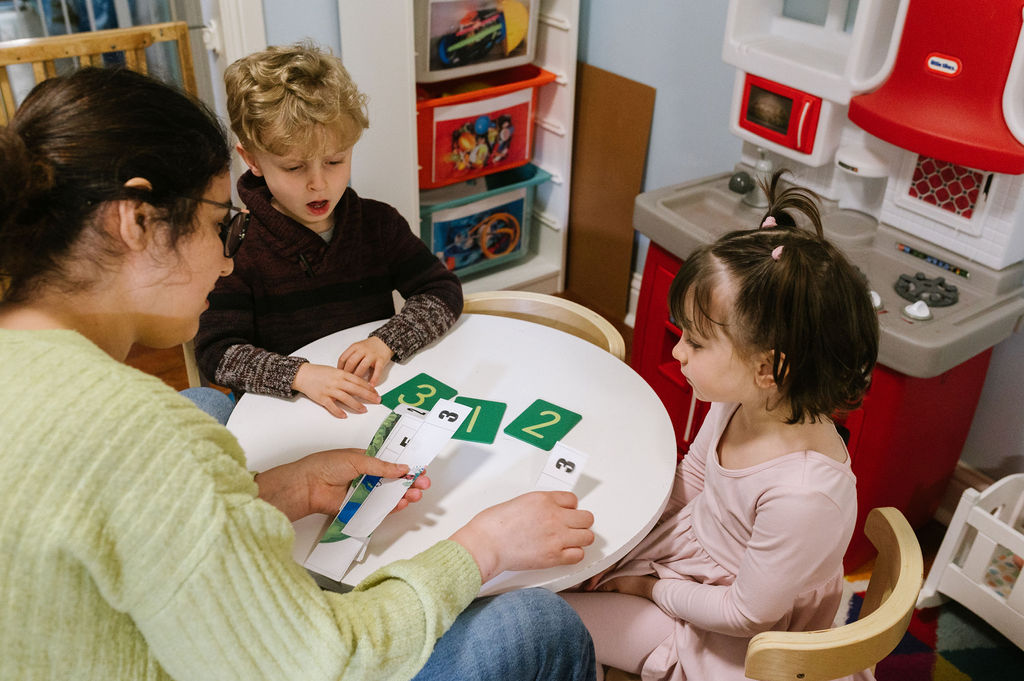
Teachers spend extra time getting down to a child’s eye level, using gentle language, and engaging in one-on-one play. At ABS, educators often sing familiar songs in both English and French, bridging comfort and curiosity through rhythm and repetition. This bilingual exposure starts naturally, not as a lesson, but as part of the classroom atmosphere where language can be experienced. Parents often notice that their child forms a strong attachment to one or two teachers early on. This is healthy and encouraged. Those bonds give toddlers the security to explore and connect with others in the classroom.
The teachers’ role goes beyond the classroom, as well. They partner with families, sharing updates and observations that help parents understand how their child is adjusting. When schools and families communicate openly, toddlers benefit from a consistent sense of care and consistency between their home and school.
Building Social Skills and Friendships
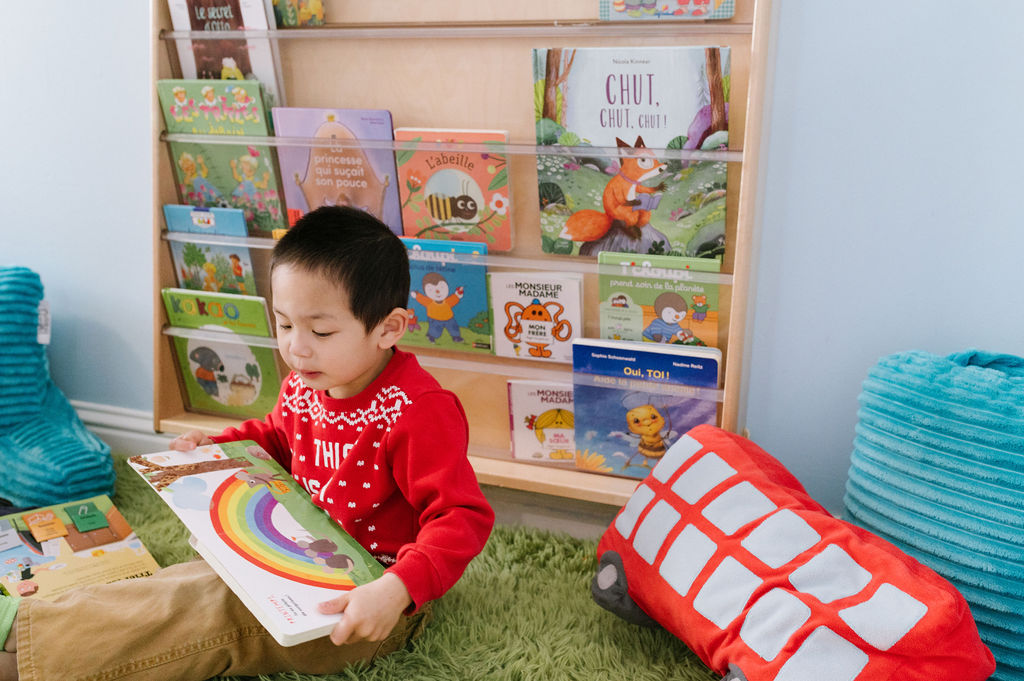
One of the greatest joys of preschool is watching toddlers begin to engage with peers. During the first week, most children are still learning how to share space, toys, and attention. Parallel play, playing side by side but not necessarily together, is the norm for two- and three-year-olds. Over time, these moments of proximity evolve into cooperation and friendship.
Teachers gently guide this social learning by modeling language for sharing and expressing feelings. A simple “Your turn next” or “Can you show your friend what you built?” becomes a powerful teaching moment.
At ABS, social interaction happens through songs, group art, and outdoor play. The smaller class sizes allow teachers to notice when a child is feeling overwhelmed or shy and to offer subtle support. As children begin to recognize one another’s names and faces, the classroom transforms from something new to a community where kindness and collaboration grow.
Parents often report heartwarming moments after the first week. A toddler singing a song they learned at school or mentioning a new friend. These are signs of comfort and connection taking root.
The Physical Side of Transition
While emotional and social changes are most noticeable, the first week of preschool also brings some physical adjustments. Children may nap earlier than usual, eat differently, or temporarily regress in routines like toileting or sleep. These shifts are normal and reflect the cognitive load of adapting to a new environment.
A toddler’s developing nervous system is learning to handle new experiences. Gentle support at home (extra rest, regular meals, and patience) helps the body catch up with the mind. At ABS, meals and rest times are woven into the day in predictable ways. Over time, these consistent patterns strengthen self-regulation and contribute to overall well-being.
How Parents Can Support the Transition
While teachers handle much of the adjustment at school, parents play an equally vital role at home. The most effective support comes from routines and reassurance.
Establishing a calm morning routine helps set the tone for the day. When parents stay relaxed, toddlers are more likely to feel secure. Avoid rushing. Instead, allow time for slow transitions, getting dressed, eating breakfast, and talking about what to expect at school.
After pickup, resist the urge to ask too many questions right away. Many toddlers need quiet time before sharing details. Instead, offer connection through play or cuddling. As the evening unfolds, stories about the day will usually surface naturally.
It’s also helpful to maintain consistency between home and school. If your preschool uses specific songs or words for transitions, use them at home. Since teachers encourage independence in dressing or tidying up, give your toddler similar opportunities. These shared cues create a bridge between both environments, reinforcing a sense of belonging and confidence.
At ABS, teachers often share updates and suggestions with families to support this continuity. Parents are encouraged to celebrate small milestones, a successful drop-off, a new word learned, or a peaceful nap after school.
A First Week to Remember
At Au Beau Séjour French Preschool, we believe that a toddler’s first week should feel less like a test and more like a welcome. The goal isn’t immediate independence; it’s steady confidence built through trust, warmth, and joyful learning.
The first week of preschool is not about perfection. It’s about the connection between child and teacher, school and family, and a toddler’s sense of comfort. Every moment, from the first hesitant goodbye to the first proud “I did it!” builds the foundation for lifelong learning.
By the end of that first week, parents often see subtle but meaningful changes: a child who starts singing more, communicating feelings more clearly, or demonstrating new independence at home. These shifts are signs that your toddler’s world is expanding and that they are growing into it with confidence. We honor the courage it takes for both children and parents to take that first step. Because behind every confident preschooler is a first week filled with patience and the quiet triumph of learning to let go and grow.