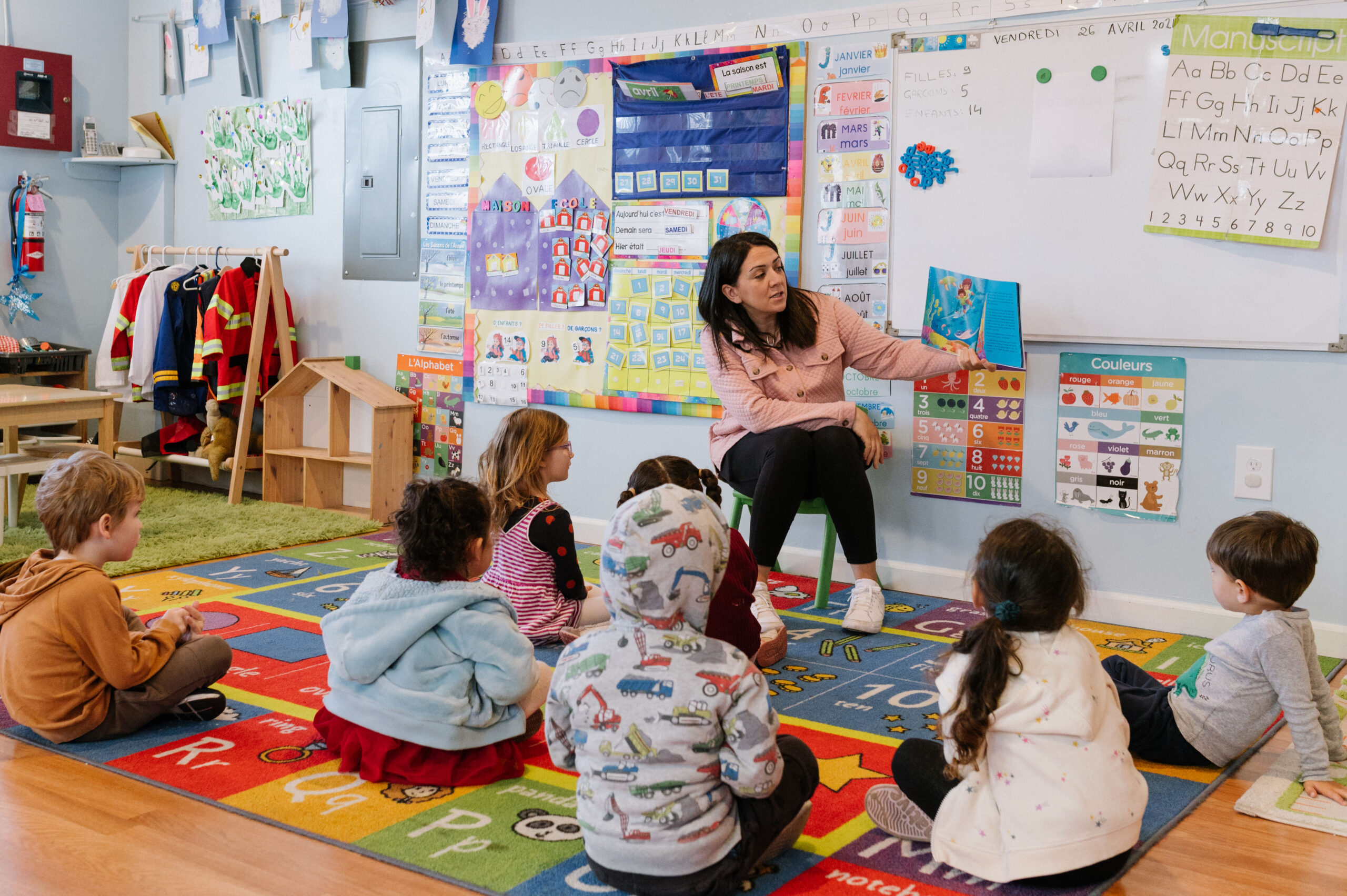
Every child arrives at school with their own way of learning, communicating, and making sense of the world. Some children learn best through movement and hands-on exploration. Others prefer quiet observation before joining in. Some are eager speakers, while others take time to process and respond. A truly supportive early learning environment recognizes these differences not as challenges to fix, but as strengths to nurture.
At Au Beau Sejour French Preschool (ABS) in Oakland, the Whole Child approach is the foundation of everything we do. Especially during Neurodiversity Month, many families are thinking more intentionally about how schools support different learning styles, developmental paths, and ways of thinking. At ABS, inclusion is not a separate initiative. It is embedded into daily classroom life through small class sizes, thoughtful structure, and strong relationships between teachers and children.
What the Whole Child Approach Means in Early Education
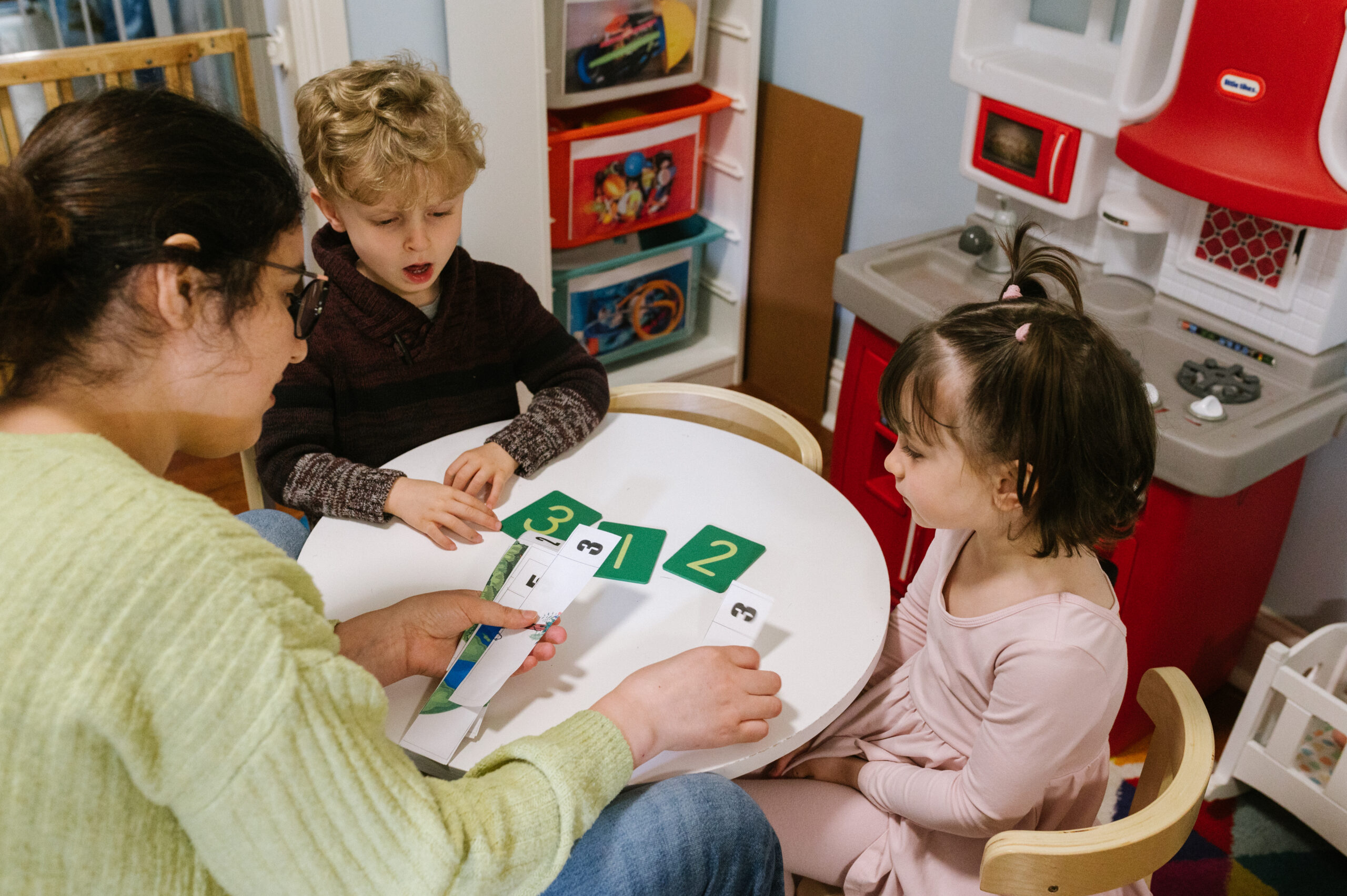
A Whole Child approach recognizes that learning is not limited to academics. It includes emotional well-being, social development, physical growth, communication, and cognitive flexibility. Rather than asking children to fit into a single learning model, this approach adapts the environment to meet children where they are.
In early childhood, this means paying close attention to how children engage with activities, peers, and routines. It means allowing multiple ways to participate and express understanding. It also means valuing progress over comparison.
At ABS, teachers observe children closely and respond intentionally. Small class sizes allow educators to notice patterns, strengths, and needs, then adjust their guidance accordingly. This creates a learning environment where children feel seen and supported rather than pressured to conform.
Neurodiversity
Neurodiversity is a term that recognizes natural variation in how brains develop and function. It includes a wide range of cognitive, sensory, emotional, and communication styles. Rather than focusing on deficits, neurodiversity emphasizes individuality and the idea that there is no single correct way to learn or think.
In preschool settings, neurodiversity may show up as differences in attention, sensory preferences, social interaction, language development, or emotional regulation. A supportive classroom does not attempt to standardize these differences. Instead, it creates flexible structures that allow children to engage in ways that feel safe and meaningful.
At ABS, classrooms are intentionally designed with predictable routines, visual cues, and clear expectations. These elements benefit all children, especially those who thrive with consistency and structure. Teachers offer gentle guidance and adapt activities so children can participate at their own pace, whether that means joining a group right away or observing first.
Why Small Class Sizes Matter for Inclusion
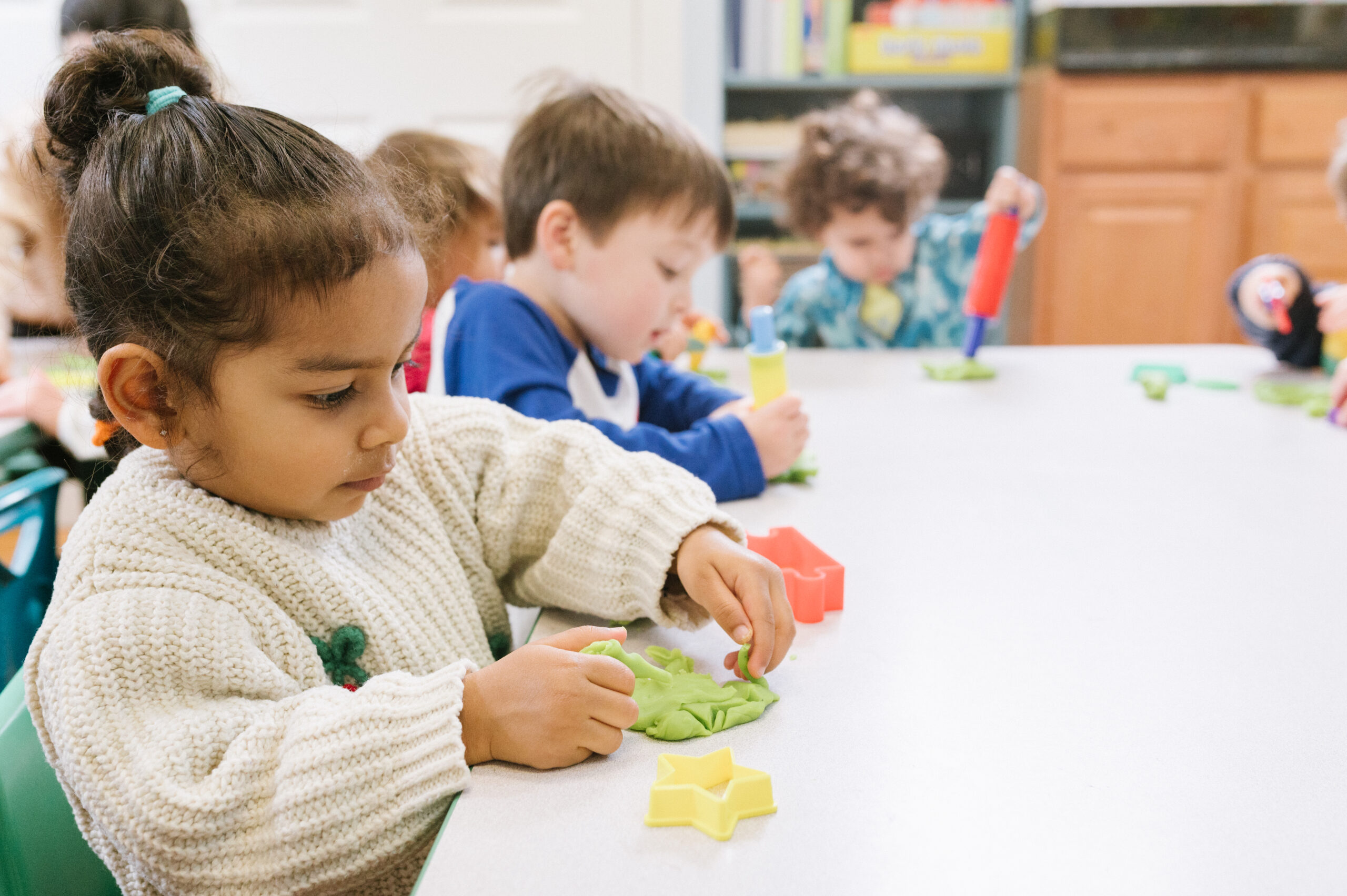
Small class sizes are central to how ABS supports diverse learners. With fewer children per classroom, teachers can build strong relationships and offer individualized attention. This allows educators to respond thoughtfully rather than reactively.
In a smaller group, a child who needs extra time to transition can receive it without feeling rushed. A child who prefers movement can be guided toward activities that incorporate physical engagement. A child who is hesitant to speak can participate through gestures, listening, or parallel play until they feel ready.
Families often notice that children who may feel overwhelmed in larger environments become more confident in smaller settings. When children feel understood, they are more willing to take risks, try new things, and develop independence.
Immersion Learning Through a Whole Child Lens
ABS is a French immersion school, meaning French is the primary language of instruction throughout the day. Children are not expected to produce French immediately. Instead, they absorb language naturally through songs, stories, routines, and play.
French immersion at ABS is thoughtfully structured around monthly themes, which help anchor language learning in a meaningful context. Each month, teachers introduce a central theme supported by carefully selected French books. These stories guide classroom conversations and provide consistent vocabulary that children hear repeatedly in different settings.
All activities connect back to the monthly theme and books. Academic work, art projects, cooking activities, movement, and sports experiences are intentionally linked to the same vocabulary and ideas. By encountering the same words and concepts across multiple activities, children reinforce understanding in a natural and engaging way.
This immersive, thematic approach supports the Whole Child by introducing language through multiple pathways. Children hear French, see it modeled through gestures and visuals, and experience it emotionally through relationships and hands-on exploration. Repetition across contexts allows children with different learning styles to engage comfortably and confidently.
Children are encouraged to express themselves in ways that feel natural to them, knowing that comprehension often comes before speech. Over time, this consistent exposure builds confidence organically, helping children feel secure, capable, and connected in their French immersion journey.
Emotional Safety as the Foundation for Learning
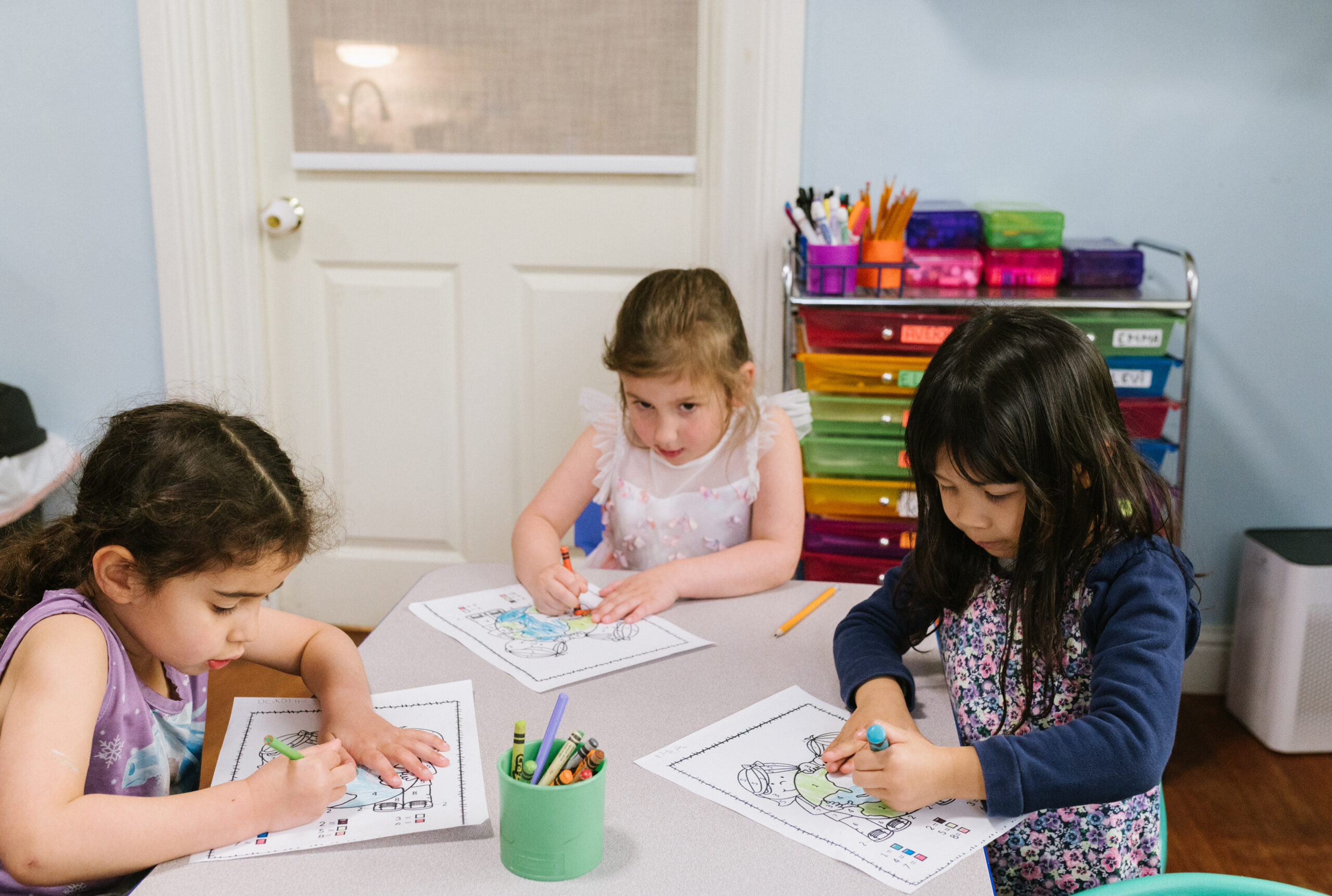
Inclusion begins with emotional safety. Children learn best when they feel secure, respected, and valued. At ABS, teachers prioritize building trusting relationships so children feel comfortable expressing their needs and emotions.
Predictable routines, consistent caregivers, and clear expectations help children feel grounded. This is especially important for children who experience anxiety around transitions or who benefit from structure.
When children feel emotionally safe, they are more open to exploration, collaboration, and independent problem-solving. These skills support both academic readiness and social development.
Partnering With Families to Support Each Child
Supporting every learner also means supporting families. Parents bring invaluable insight into their child’s strengths, sensitivities, and interests. Open communication between home and school helps create consistency and trust.
At ABS, teachers work closely with families to share observations, celebrate progress, and discuss strategies that support each child. This partnership helps families feel confident that their child is understood and supported as an individual.
During Neurodiversity Month and throughout the year, these conversations reinforce the idea that differences are normal and valuable, and that learning looks different for every child.
Preparing Children for a Diverse World
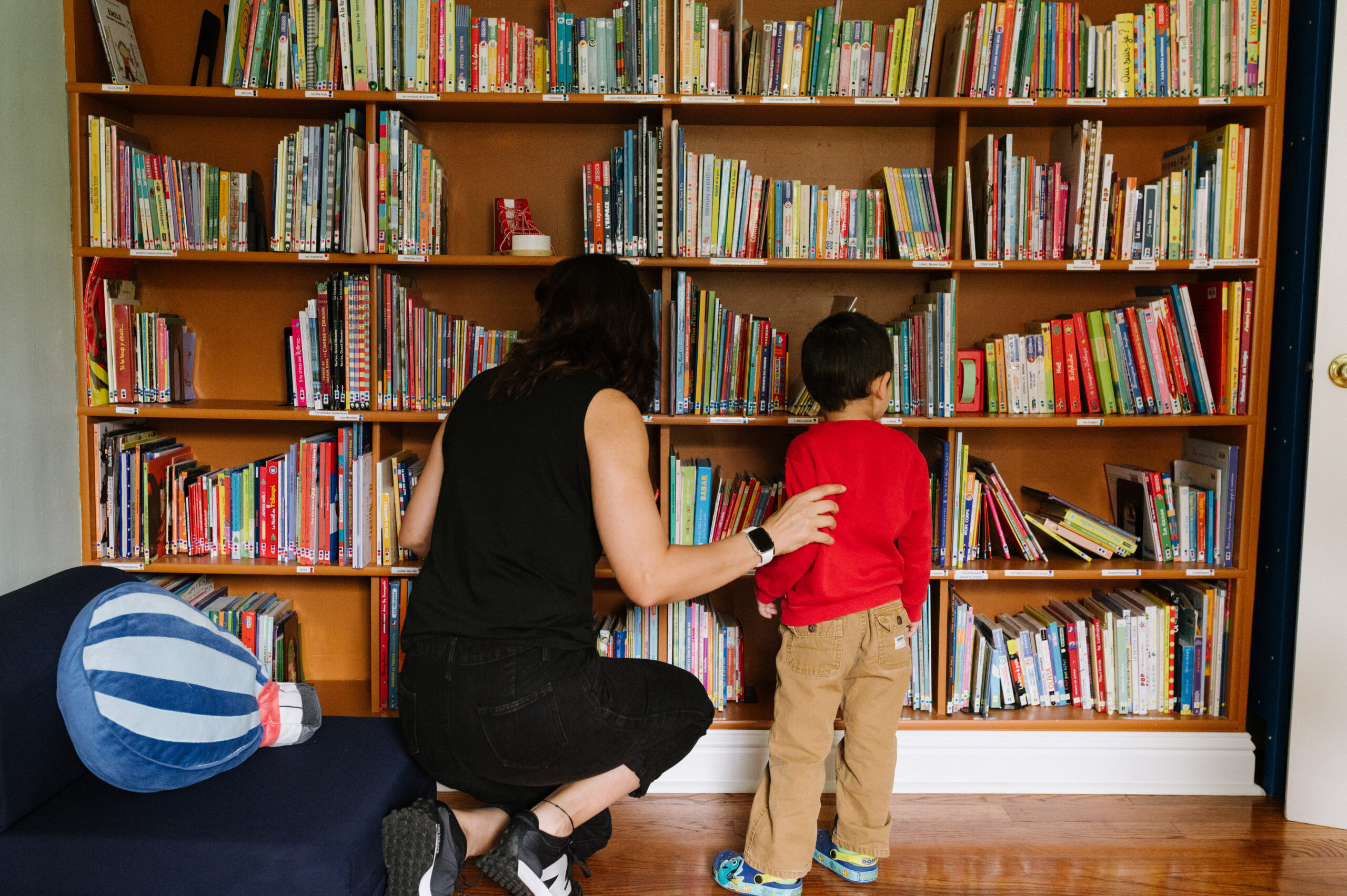
A Whole Child approach does more than support individual learners. It sets your child up for success, preparing them to live in a diverse world. At ABS, children build social skills not only with same-age peers during class time, but also with younger and older children during shared recess and mealtimes. These mixed-age interactions help children develop empathy, patience, leadership, and cooperation as they learn to navigate different perspectives and social dynamics in a supportive community setting.
These social-emotional skills are essential for future classrooms and communities. Children who grow up in inclusive environments are better equipped to collaborate, communicate, and appreciate differences. Through small class sizes, French immersion, and thoughtful support, ABS creates an environment where every child can grow with confidence and curiosity.