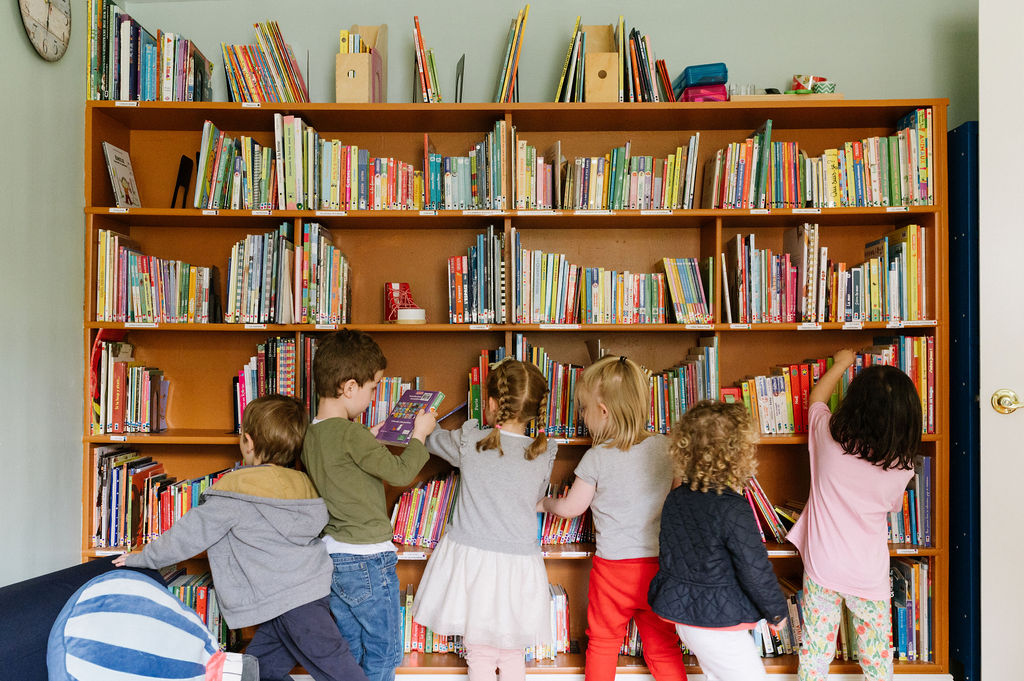
Transitions can feel small to adults. Moving from breakfast to getting dressed, leaving home for work, or cleaning up before dinner. But for young children, transitions are often the hardest parts of the day.
A shift in activity means a shift in expectations. It means letting go of one thing before fully understanding what comes next. That in-between space is where big feelings tend to show up.
Whether it’s drop-off tears during the first week of preschool, resistance at cleanup time, or anxiety around schedule changes, these moments are normal. They’re also opportunities. With the right support, preschool transitions can build resilience, emotional awareness, and confidence that lasts far beyond early childhood.
Why Transitions Feel So Big in Early Childhood
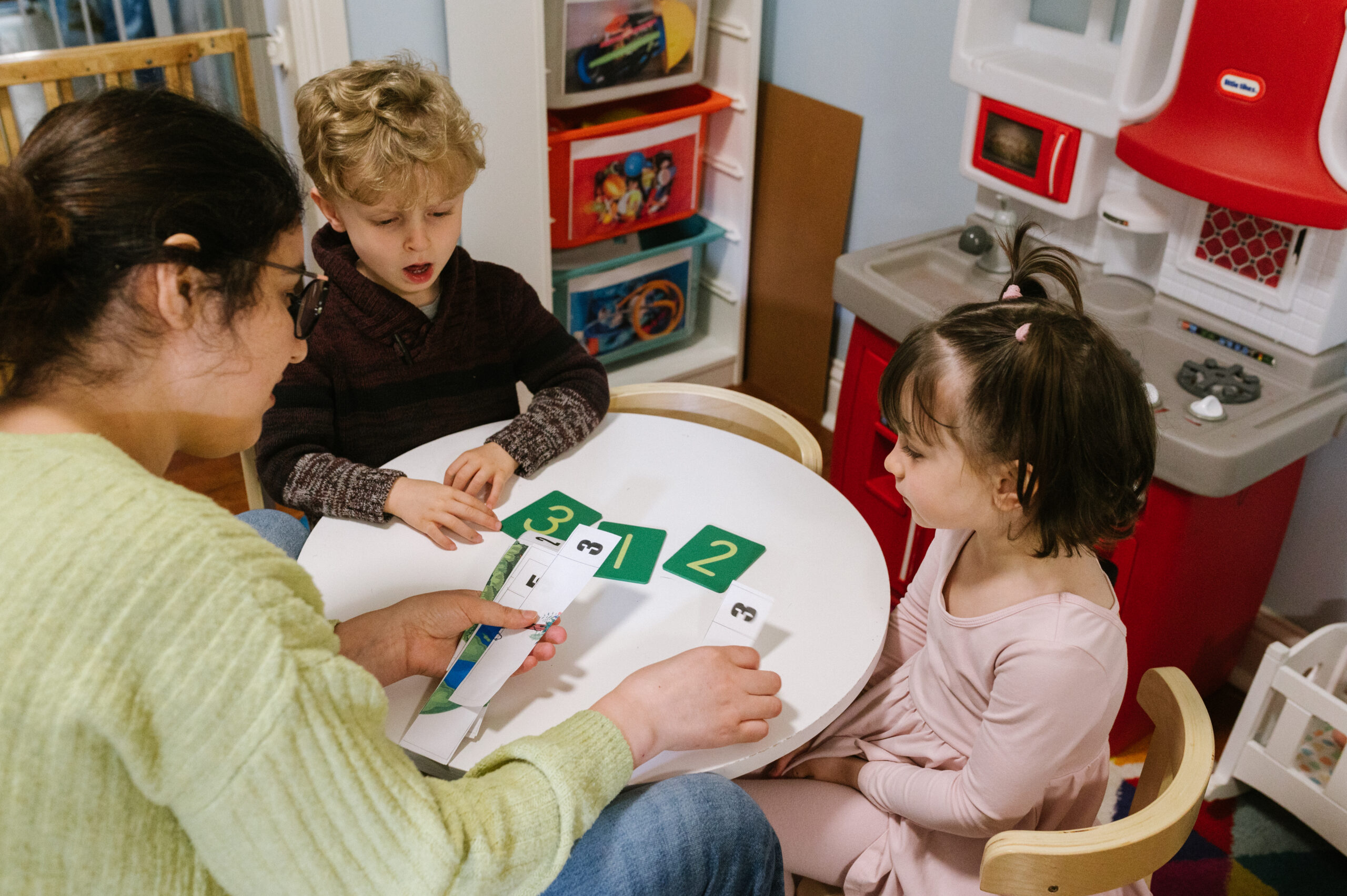
Young children rely heavily on predictability. Their sense of safety is tied to routine. When something changes, even something simple, it can feel unsettling.
In early childhood development, the ability to shift attention and adapt to change is still forming. Executive functioning skills, such as impulse control and emotional regulation, are growing but not fully developed. That’s why a child who was happily playing five minutes ago may suddenly melt down when it’s time to clean up.
Transitions require children to pause, process, and adjust. That takes practice. In a thoughtful preschool environment, transitions are not rushed or dismissed. They are seen as part of the learning process.
Drop-Off Anxiety Is Normal
Morning separation can be one of the most emotionally charged transitions. Even confident children may go through periods of hesitation or tears. This does not mean a child isn’t ready for school. It often means they feel deeply connected to their caregivers. That attachment is healthy. Learning to separate with trust is part of early social-emotional learning in preschool.
Supportive classrooms approach drop-off with consistency and calm. A predictable routine helps. So does a warm greeting from a familiar teacher. Over time, children begin to internalize the pattern. Parent says goodbye. Teacher welcomes. The day unfolds. When children learn that goodbyes are temporary and safe, they develop emotional resilience.
At Au Beau Sejour French Preschool, consistent routines and small class sizes allow teachers to build strong relationships. That familiarity makes transitions smoother, especially during the early weeks of school.
Classroom Transitions Build Independence

Transitions do not only happen at the start of the day. Moving from circle time to art, from outdoor play to lunch, or from activity time to cleanup all require children to shift gears. In a strong preschool environment, these moments are structured intentionally. Children are given cues. They know what to expect. Over time, they begin to anticipate what comes next. This is where independence grows.
When a child hears a cleanup song and starts putting materials away without being prompted, they are practicing self-regulation. When they line up calmly for outdoor play, they are building patience and awareness of others.
These everyday preschool transitions support both emotional growth and classroom readiness. They help children feel capable rather than overwhelmed.
Handling Schedule Changes With Support
Even with strong routines, change is inevitable. A substitute teacher. A rainy day. A holiday schedule. These disruptions can feel unsettling to young children.
Rather than shielding children from change entirely, supportive preschool programs help them prepare for it. Teachers may talk through the change ahead of time, use visual schedules, or remind children of what will stay the same. This balance between predictability and flexibility strengthens adaptability. Children learn that while details may shift, the overall structure remains safe.
In social-emotional learning preschool programs, these conversations are intentional. Teachers model calm responses and give language to feelings. “It feels different today.” “You were expecting something else.” “We can handle this change together.” Over time, children begin to approach new situations with greater confidence.
How Parents Can Support Transitions at Home
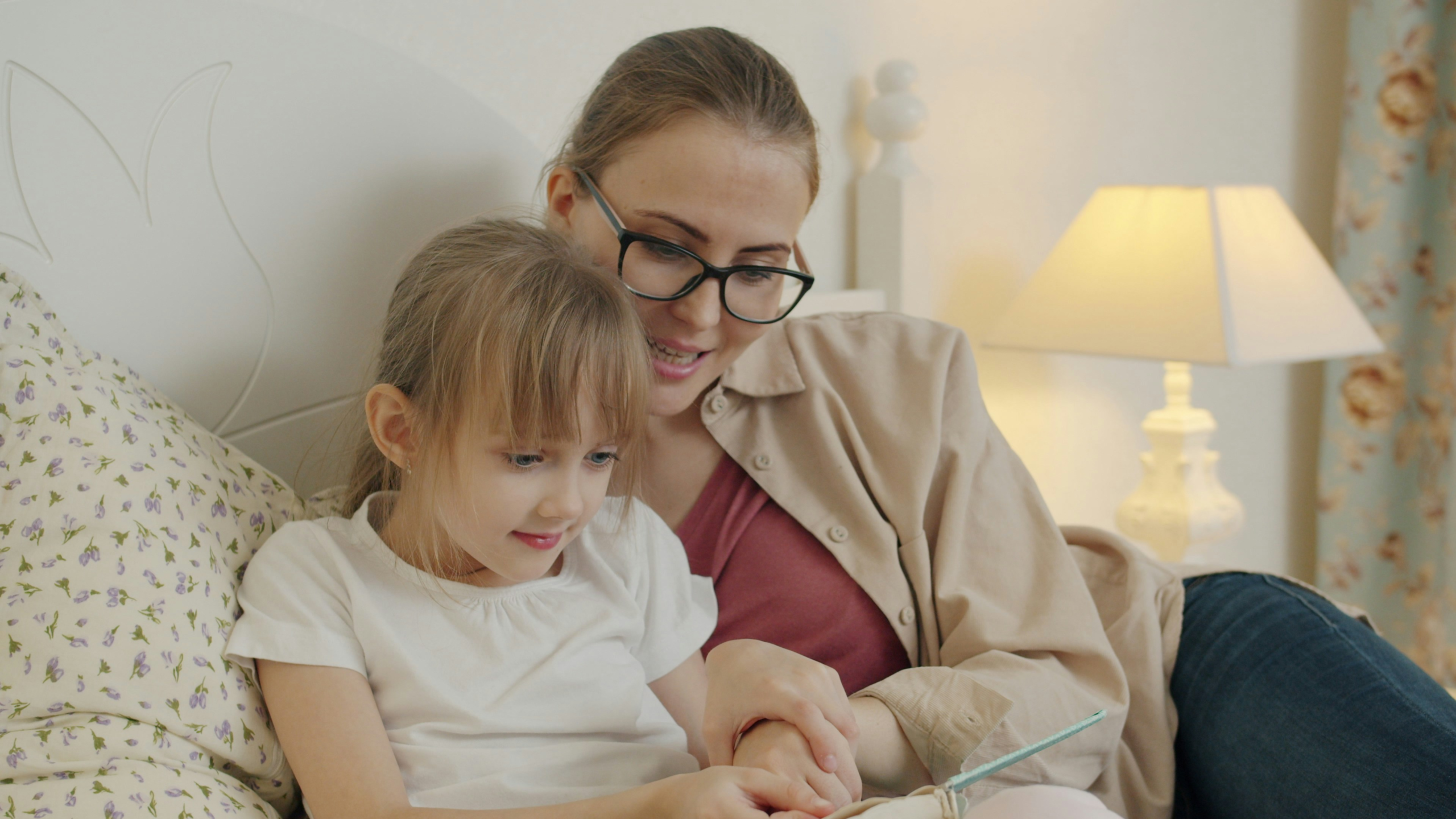
Families play an important role in easing preschool transitions. A few consistent strategies can make a significant difference. Keep goodbyes short and predictable. Lingering often increases anxiety rather than easing it.
- Talk about the daily schedule in simple, clear language.
- Maintain consistent routines at home when possible.
- Acknowledge feelings without amplifying them.
For example, saying “You feel sad about saying goodbye, and you’ll see me after lunch” validates emotion while reinforcing safety. Children benefit when adults respond calmly. Even when feelings are intense, the adult’s steady presence communicates security.
Why Transitions Matter for Long-Term Success
It might seem like a small victory when a child walks into school without tears or cleans up without protest. But these moments reflect something deeper. They show growth in emotional regulation. They show trust in caregivers and teachers. They show developing independence.
As children transition to lower elementary school, the ability to handle change becomes increasingly important. Elementary classrooms involve subject changes, group work, and shifting expectations throughout the day. Children who have practiced managing preschool transitions often adapt more smoothly later on. They are familiar with structure. They understand routines. They trust that change does not mean chaos.
Building Confidence Through Supportive Environments

Transitions will always be part of childhood. The goal is not to eliminate them, but to help children move through them with confidence. In nurturing preschool settings, transitions are treated as teachable moments rather than disruptions. Predictable routines, clear expectations, and warm relationships help children feel secure enough to practice flexibility.
At Au Beau Sejour French Preschool, daily rhythms are designed to support both emotional safety and independence. Children learn that change can feel uncomfortable, but it is manageable. With steady guidance and a consistent environment, even the biggest feelings become opportunities for growth. And over time, what once felt overwhelming begins to feel familiar.
Schedule a tour with us and see how Au Beau Sejour French Preschool can help your child transition into a better future.