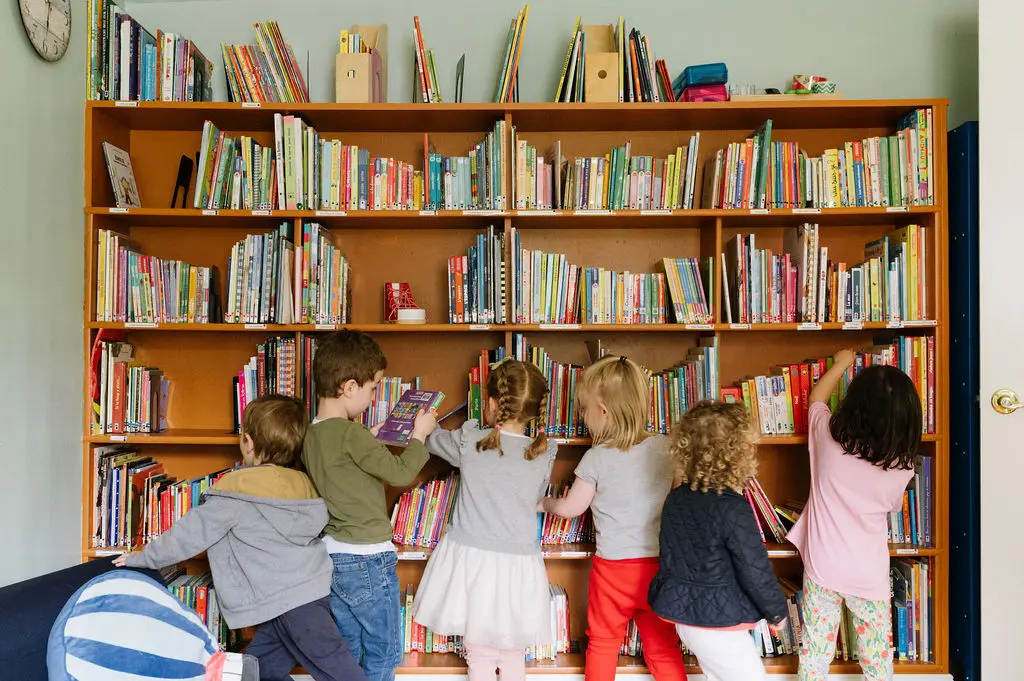
Summer sneaks up fast. One minute it’s spring routines and packed lunches, the next you’re looking at a long stretch of open days and wondering how to fill them in a way that actually works for your child. Not just childcare, but something engaging. Something that feels like summer.
In the East Bay, there’s no shortage of options. From sports-focused programs to creative camps to language immersion experiences, families have a lot to sort through. The challenge isn’t finding something; it’s finding the right fit.
What Your Child Actually Needs From a Summer Camp
It’s easy to focus on the activity itself. Soccer, art, nature, language. But for younger children, especially preschool-aged, the structure and environment matter just as much as the theme. A good summer camp for this age group should feel active but not overwhelming.
Think about how your child handles transitions, group settings, and new environments. Some children jump right into high-energy programs. Others need a slower rhythm and more support. The best camps meet children where they are, not where a schedule expects them to be.
Energy, Movement, and the Need to Be Outside
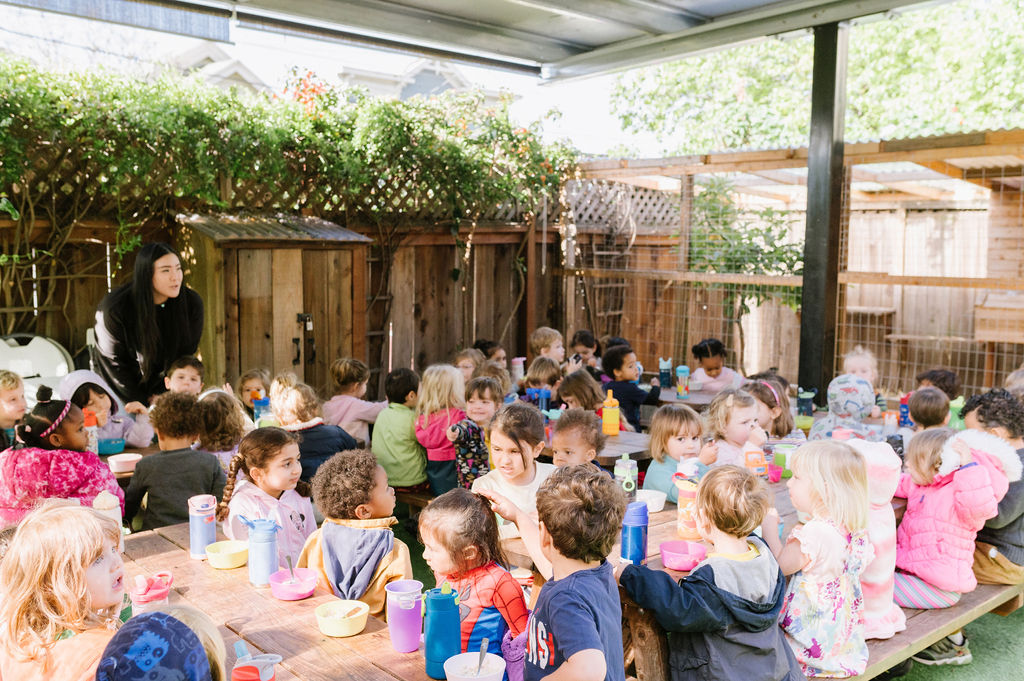
There’s something about summer that changes the pace of childhood. Kids want to move. They want to run, climb, dig, and explore. That’s why outdoor time isn’t just a bonus. It’s essential.
Whether it’s a toddler soccer camp where children chase a ball across a sunny field or a nature-based program where they’re planting, digging, and getting their hands dirty, movement supports everything else. Attention improves, mood stabilizes, and social interactions become easier.
You can see it in real time: the dirt under their fingernails, the flushed cheeks, the way they come home tired in the best possible way. Those physical experiences are not separate from learning; they’re part of it.
Structure Still Matters, Even in Summer
Summer doesn’t mean the absence of routine. Young children still need predictability to feel comfortable. A strong Oakland preschool summer camp will balance freedom with structure. There’s a rhythm to the day. Arrival feels familiar. Activities flow in a way that makes sense. Transitions are supported, not rushed.
Without that structure, even fun activities can become overwhelming. When children know what to expect, they settle in faster. They participate more. They enjoy themselves more fully. At Au Beau Sejour, summer programs keep that balance in mind. The days feel lighter and more playful, but the underlying routine is still there, helping children feel grounded.
Language Immersion Doesn’t Have to Pause
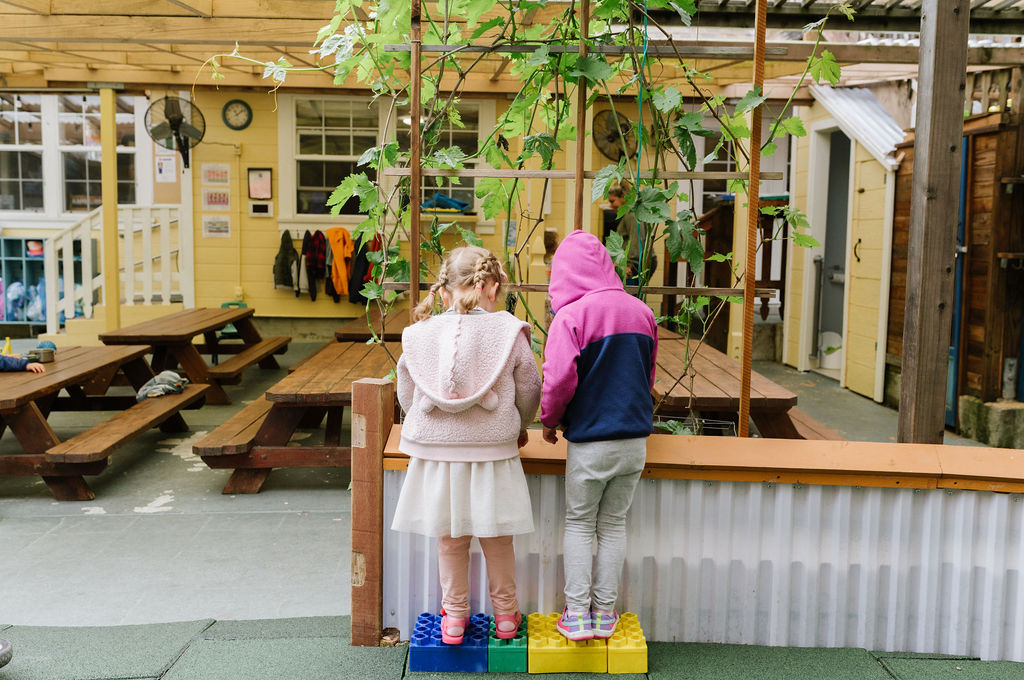
For families already in a French immersion environment, summer raises another question. What happens to the language? A long break can slow momentum, especially for younger children who are still building comprehension. But it’s important that immersion in summer feels different from the school year. Less formal. More playful. Still consistent.
At ABS, summer immersion continues through themed activities, stories, music, and hands-on experiences. Language is tied to what children are doing, whether that’s cooking, playing games, or exploring outdoors. The goal isn’t to push forward academically. It’s to keep the French language alive in a way that feels natural.
Social Growth Happens in These Moments
Summer camps bring together children in slightly different groupings than the school year. That shift creates new opportunities. Children meet new peers. They adjust to different personalities. They learn to enter a group that already has its own rhythm. These are important social experiences.
For some children, summer is when they find their voice in a new setting. For others, it’s a chance to practice flexibility and confidence in a lower-pressure environment. Smaller, more supportive programs tend to make this transition smoother. Children are not lost in a large group. They’re seen, guided, and included.
Don’t Overlook the “Feel” of a Program
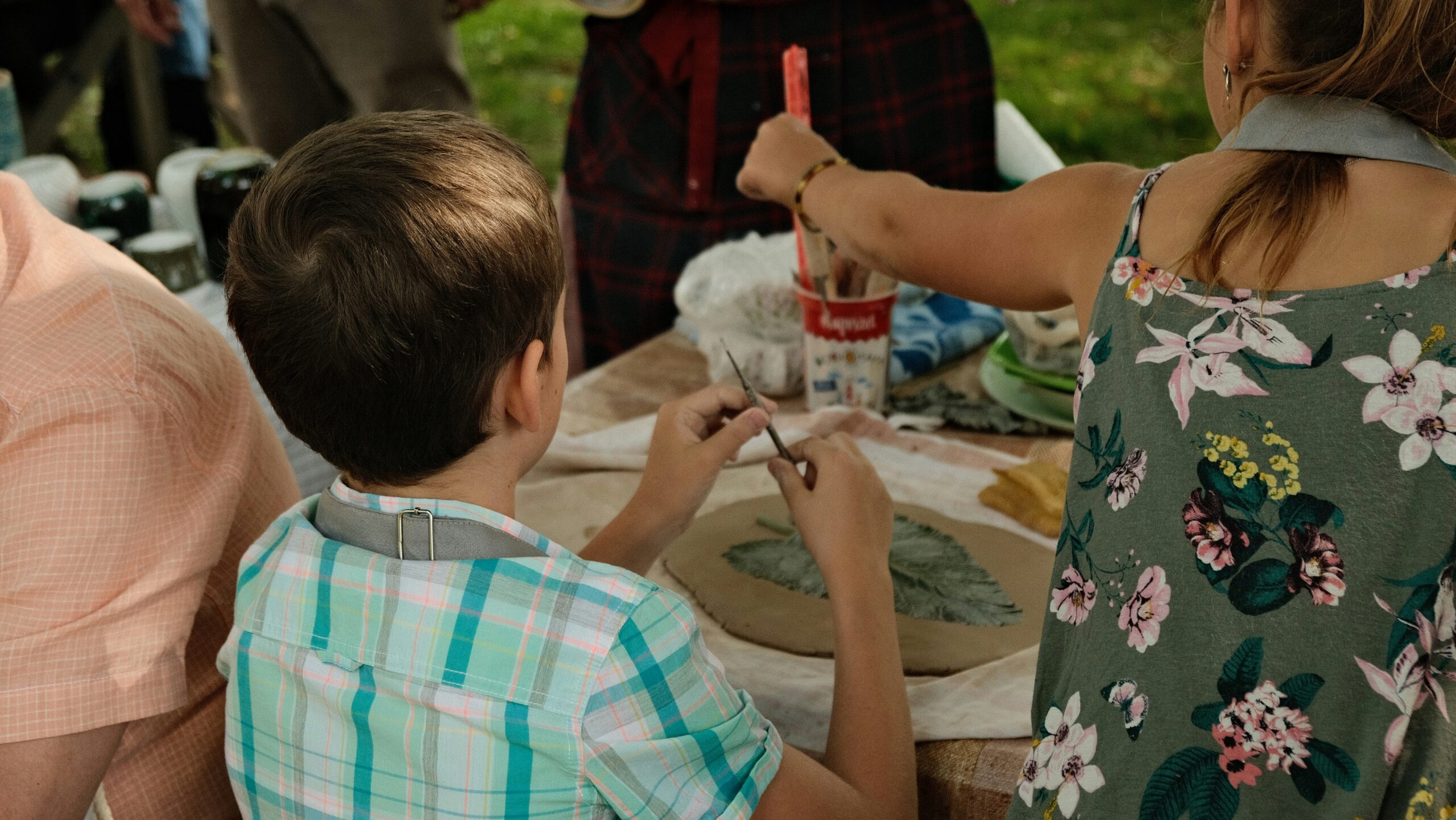
Parents often compare camps based on offerings, schedules, and cost. Those factors matter. But there’s something harder to measure that’s just as important.
- How does the environment feel?
- Is it calm or chaotic?
- Are teachers engaged or just supervising?
- Do children seem connected or scattered?
If possible, visit or talk to someone who has experienced the program. You’ll learn more from how a place feels than from any brochure. A well-run camp doesn’t just fill time. It creates a space where children feel comfortable enough to explore, connect, and enjoy themselves.
A Summer That Feels Like Summer
Summer planning has a way of getting pushed down the list. But the best programs tend to fill early. If you’re considering options, waiting too long can limit your choices. Programs that start in mid-June can often reach capacity quickly. Families who plan ahead have more flexibility to choose what actually fits their child, rather than settling for what’s left.
Remember, the right camp shouldn’t just feel like an extension of the school year. It should feel lighter, more open, and even a little more adventurous. But underneath all that, there’s still intention. Children are building independence, strengthening social skills, and they’re continuing to learn, even if it looks like play.
Au Beau Sejour’s summer camp is designed to capture that balance. Movement, creativity, outdoor exploration, and language immersion all come together in a way that feels both relaxed and purposeful. And for children, that often just feels like a really good day. Check out what to expect at our summer camp programs and discover how a thoughtfully structured summer day can still leave plenty of room for fun and relaxation.