Global Perspectives: Meet the Educators Behind the Magic – Fatima El Olija
Behind every strong early childhood program is something you can’t package into a curriculum guide: the people. At Au Beau Sejour French Preschool, that means educators who don’t just teach language, but live it! These teachers bring real-world culture, nuance, and warmth into the classroom every day. It’s the difference between learning French and experiencing it, guided by native French preschool teachers who understand how young children absorb language through connection, consistency, and care.
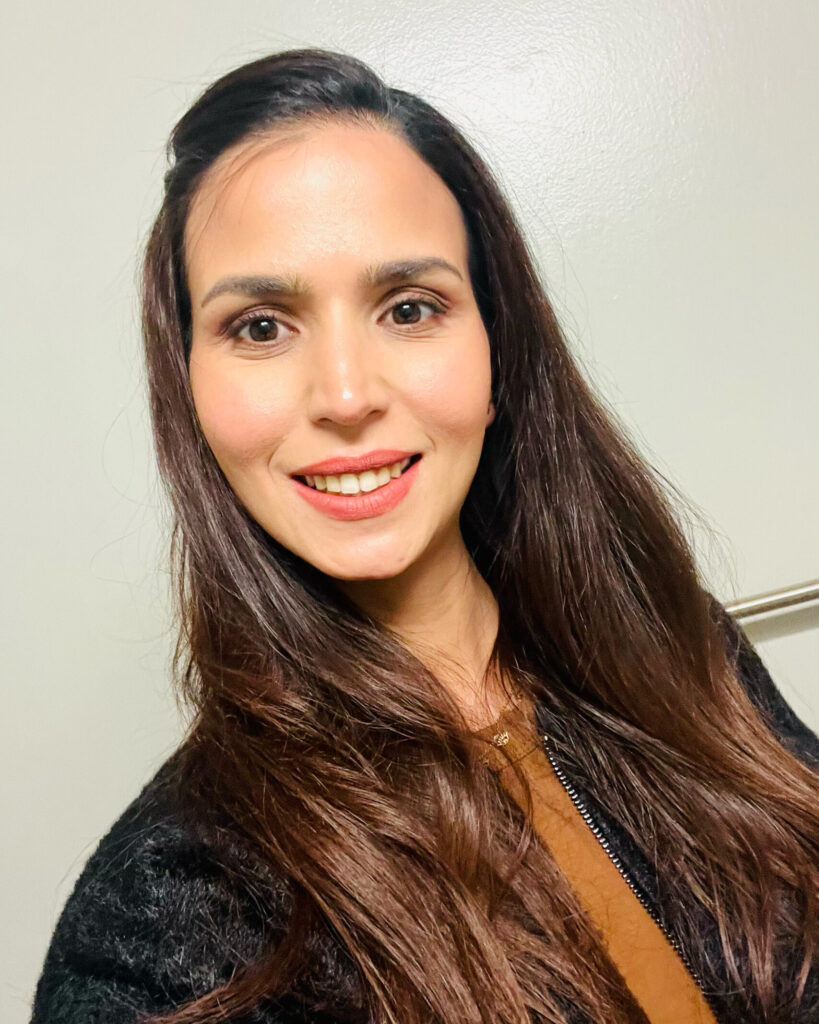
In this staff spotlight, we’re introducing Fatima El Olija, a trilingual educator whose calm, nurturing presence shapes the daily rhythm of her classroom. Fluent in French, Arabic, and English, Fatima embodies the kind of bilingual staff Oakland families look for: teachers who can meet children where they are while opening doors to new ways of thinking and communicating. Her approach is rooted in trust, patience, and a deep respect for each child’s pace, creating an environment where confidence and curiosity can grow side by side.
I want every child to feel seen, safe, and confident as they grow.
-Fatima El Olija
What first inspired you to become an educator, and how did your journey lead you to Au Beau Séjour?
I have always been deeply drawn to working with children because I truly believe that early childhood is the foundation of who we become. Being part of those first years is not just meaningful to me—it is a responsibility I take to heart.
Becoming an educator felt natural, as I have always valued guidance, structure, and emotional support in a child’s development. I want every child to feel seen, safe, and confident as they grow.
My journey led me to Au Beau Séjour because I was looking for a school that values both educational quality and cultural identity. ABS reflects exactly what I believe in: a place where language, culture, and care come together to create a strong and meaningful learning environment.
Can you tell us a bit about where you’re from and how your upbringing shaped your relationship with the French language?
I am originally from Morocco, and one of the greatest gifts my parents gave me was the opportunity to study in a French educational system.
That experience shaped me deeply. It gave me access not only to a language, but to a culture, a way of thinking, and a broader perspective of the world. I grew up navigating between cultures, and that became a strength I carry with me every day.
I am very proud of this dual education. Today, I see myself in many of the children I work with—especially those who come from homes where French is not spoken. I understand their journey, and I am committed to giving them the same opportunity I had: to grow with confidence in both language and identity.
How would you describe your teaching style in a French immersion classroom?
My teaching style is nurturing, intentional, and culturally grounded. I focus on creating a structured and safe environment where children feel confident to explore, learn, and express themselves.
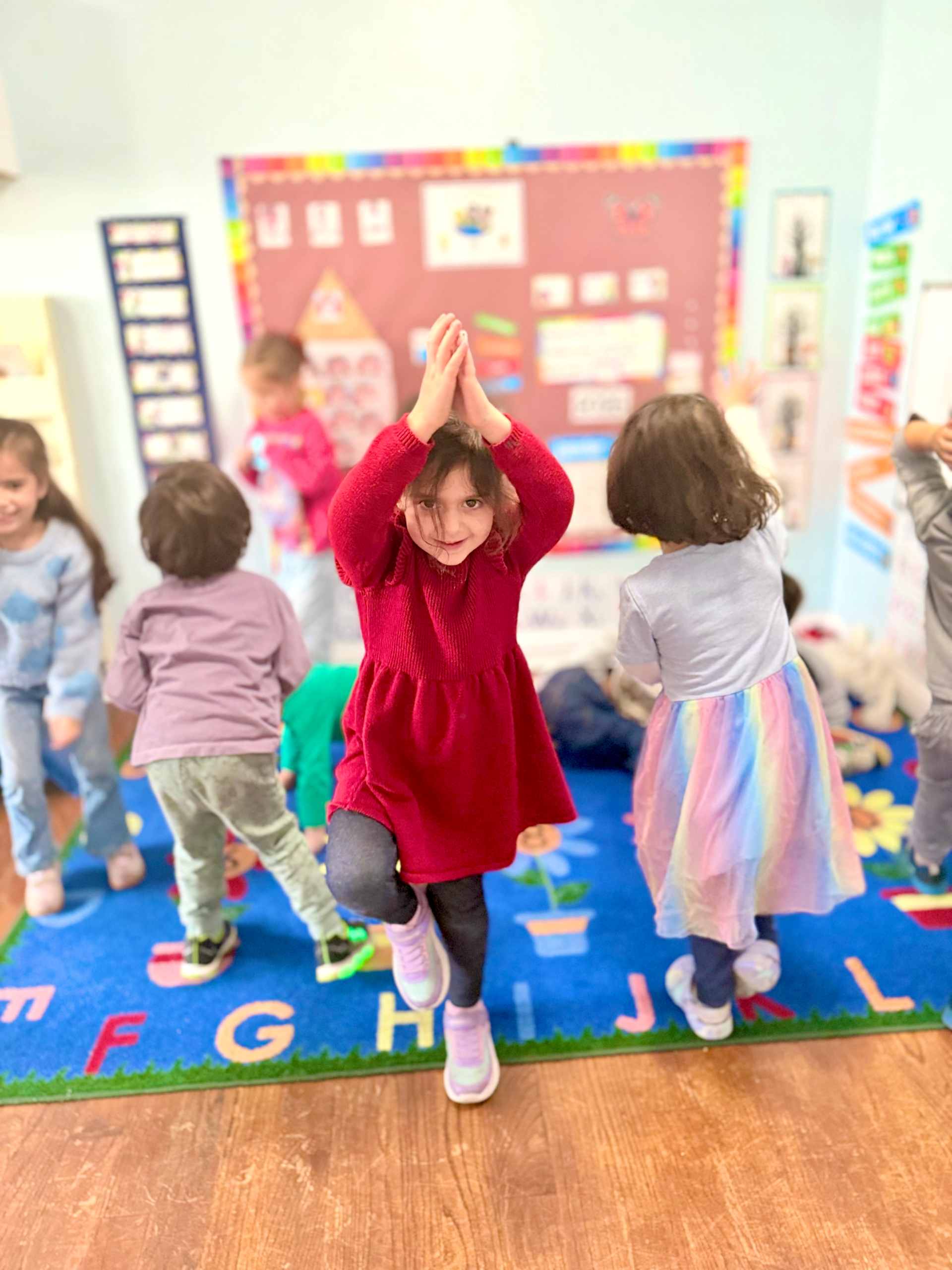
In a French immersion classroom, I believe language should be experienced, not just taught. I integrate French naturally throughout the day—through routines, interactions, songs, and movement—so children can absorb it in a meaningful and authentic way.
I also pay close attention to each child’s pace and needs. Learning a new language can be challenging, so I make sure every child feels supported, encouraged, and valued. My goal is not only for them to understand French, but to feel comfortable using it with confidence.
What does a typical day look like for your students, especially for those just starting French?
A typical day in our classroom is carefully structured to provide both routine and exploration, which helps children feel secure and engaged.
We usually begin with circle time, where children are introduced to songs, greetings, and simple vocabulary in French. This creates a predictable and comforting start to the day, especially for those who are new to the language.
Our approach is play-based, developmentally appropriate, and centered on the whole child. Within this framework, we bring a strong French educational influence that emphasizes language, structure, and cultural exposure.
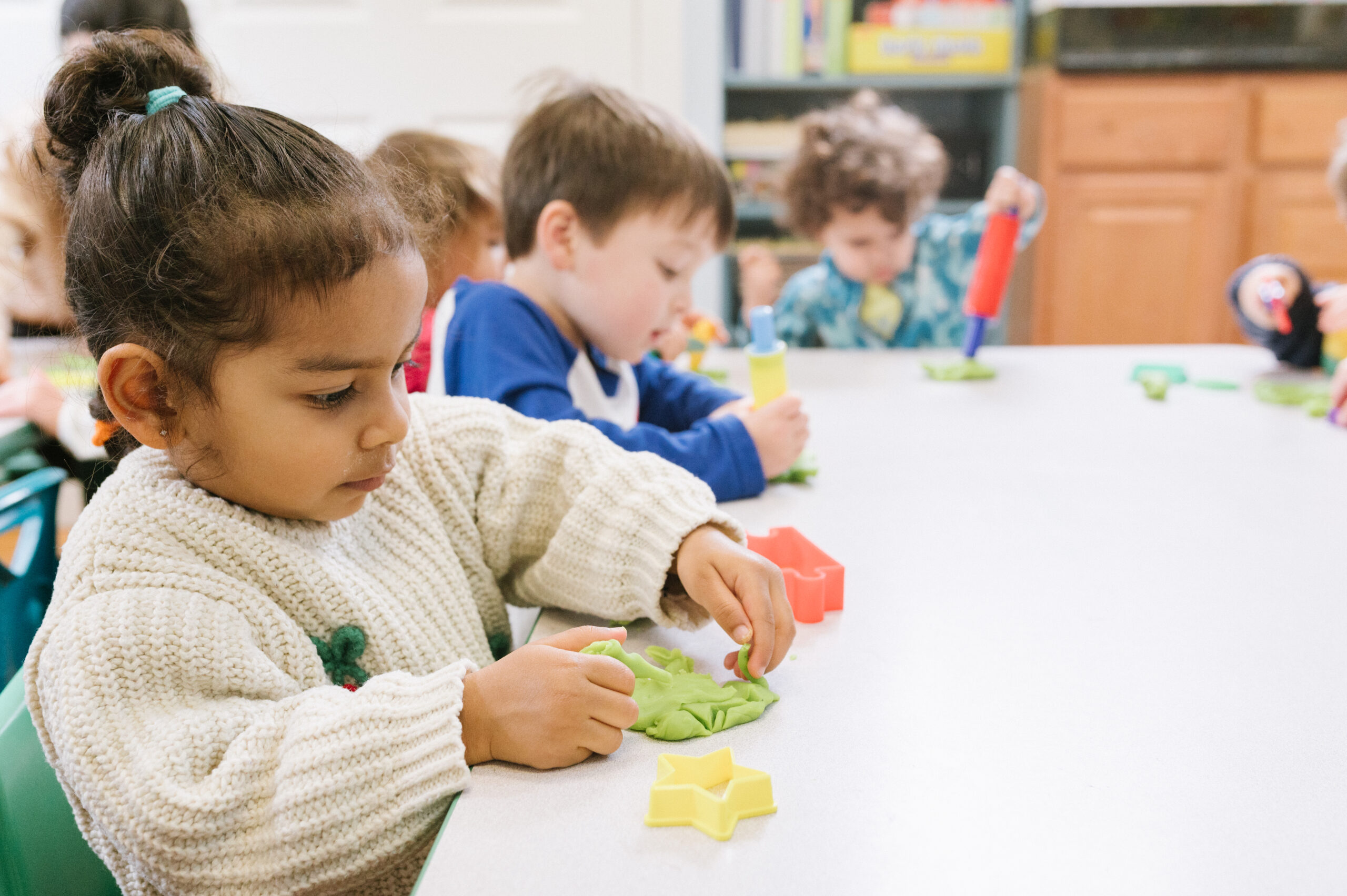
Throughout the day, children participate in hands-on activities such as art, sensory play, movement, and outdoor time, all guided in French. For beginners, the focus is on listening, observing, and gradually building confidence. There is no pressure to speak right away—each child is encouraged to participate at their own pace.
This balance allows children to benefit from both approaches while naturally absorbing the language in a supportive and enriching environment.
How do you bring French culture into the classroom beyond just language?
For me, language and culture are deeply connected and cannot be separated.
I bring French culture into the classroom through songs, storytelling, celebrations, and daily routines. These elements allow children to experience the language in a natural and meaningful way, rather than just learning isolated words.
I also integrate cultural values such as respect, structure, and communication through everyday interactions. Simple moments—like greeting each other, sharing, or participating in group activities—become opportunities to experience French culture in an authentic way.
Having grown up with a French educational background, I understand how powerful this cultural exposure can be. I often see myself in many of the children I work with—especially those who are discovering French for the first time. My goal is to give them the same opportunity I had: to feel connected to a new language and culture, and to grow with confidence within both.
What’s a small classroom moment that recently made you smile or reminded you why you love teaching?
Recently, one of the children who had just started in the classroom began using a French word spontaneously during play. It was a simple moment, but very meaningful.
Seeing that confidence appear, even in such a small way, reminded me why I love teaching. It’s not just about language—it’s about helping children feel capable, understood, and proud of themselves.
Those small moments are powerful, and they are what make this work so meaningful to me.
What would you recommend for families who may not speak French at home but want to stay involved in their child’s learning?
I understand that it can sometimes feel challenging or even worrying for parents when they don’t speak the language, especially as their child begins to progress. That’s why reassurance and communication are so important.
What matters most is their involvement, encouragement, and interest in what their child is experiencing at school. Simple things like asking about their day, showing curiosity, or listening to songs together can make a big difference.
It can also be a beautiful opportunity for families to learn a few new words alongside their child, turning learning into a shared and meaningful experience.
I truly believe that when families and teachers work together, children feel more secure, more confident, and more motivated to learn.
What do you hope your students carry with them as they grow?
I hope my students carry confidence, curiosity, and a strong sense of identity as they grow.
Having grown up with a dual cultural and educational background, I know how powerful it is to move between languages and cultures with confidence. It opens doors and shapes the way we see the world.
That is what I hope for my students—that they grow up feeling proud of their ability to connect with more than one culture, and that they see this as a strength.
Most importantly, I want them to feel capable, valued, and confident in themselves, knowing they can succeed wherever they go.
Is there anything else you would like to let parents know?
I would like parents to know that their children are in a caring, supportive, and respectful environment where each child is truly seen and valued.
We are not only teaching a language—we are helping children build confidence, develop their identity, and discover the joy of learning.
I also strongly believe in the importance of partnership between the school and families. When we work together, we create a stronger and more meaningful experience for the children.
My goal is for every child to feel safe, supported, and proud of their growth every day.
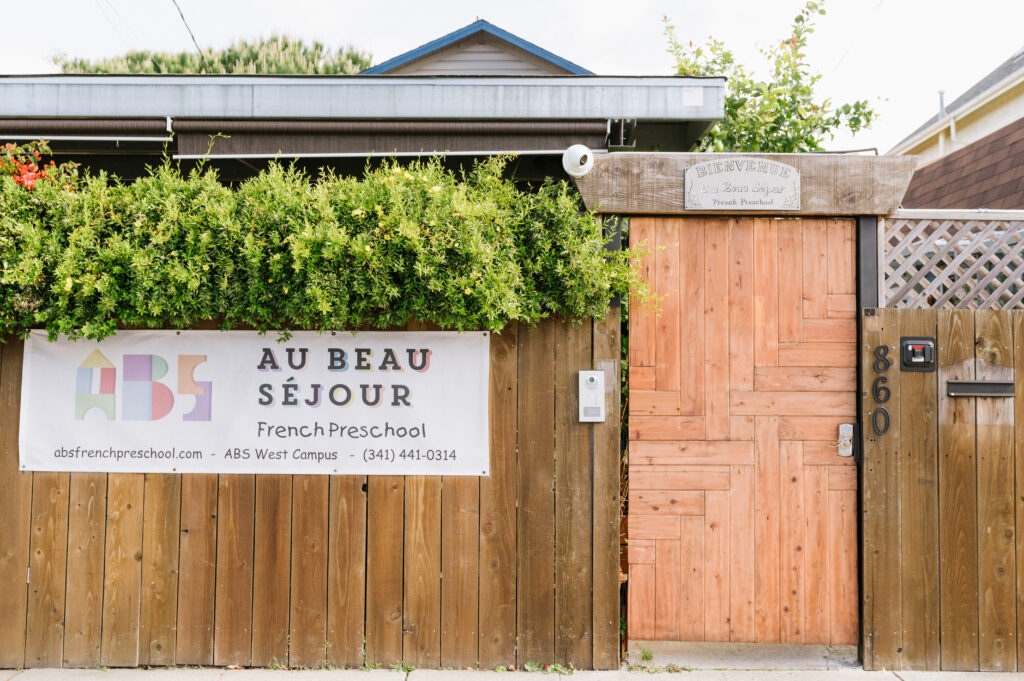
If you’d like to learn more about our staff and school, schedule a tour and see how Au Beau Sejour can work for you and your family.
Enroll in 2026/2027 Classes!
Spots are limited. Don’t miss your chance to enroll your child.