Parents today think a lot about giving children a strong educational start: reading early, exploring music, building confidence, and developing social skills. One area that research continues to highlight is the value of early bilingualism. When children begin learning a second language in early childhood, especially during the preschool years, their brains build pathways that support lifelong cognitive growth, academic readiness, and cultural awareness.
At Au Beau Séjour French Preschool in Oakland, bilingual education is woven into the everyday classroom experience rather than taught as a separate subject. Beginning in the first week of preschool, children hear, speak, play, and make connections through French immersion, building bilingual skills as naturally as they learn to communicate in English.
A Brain Built for Language
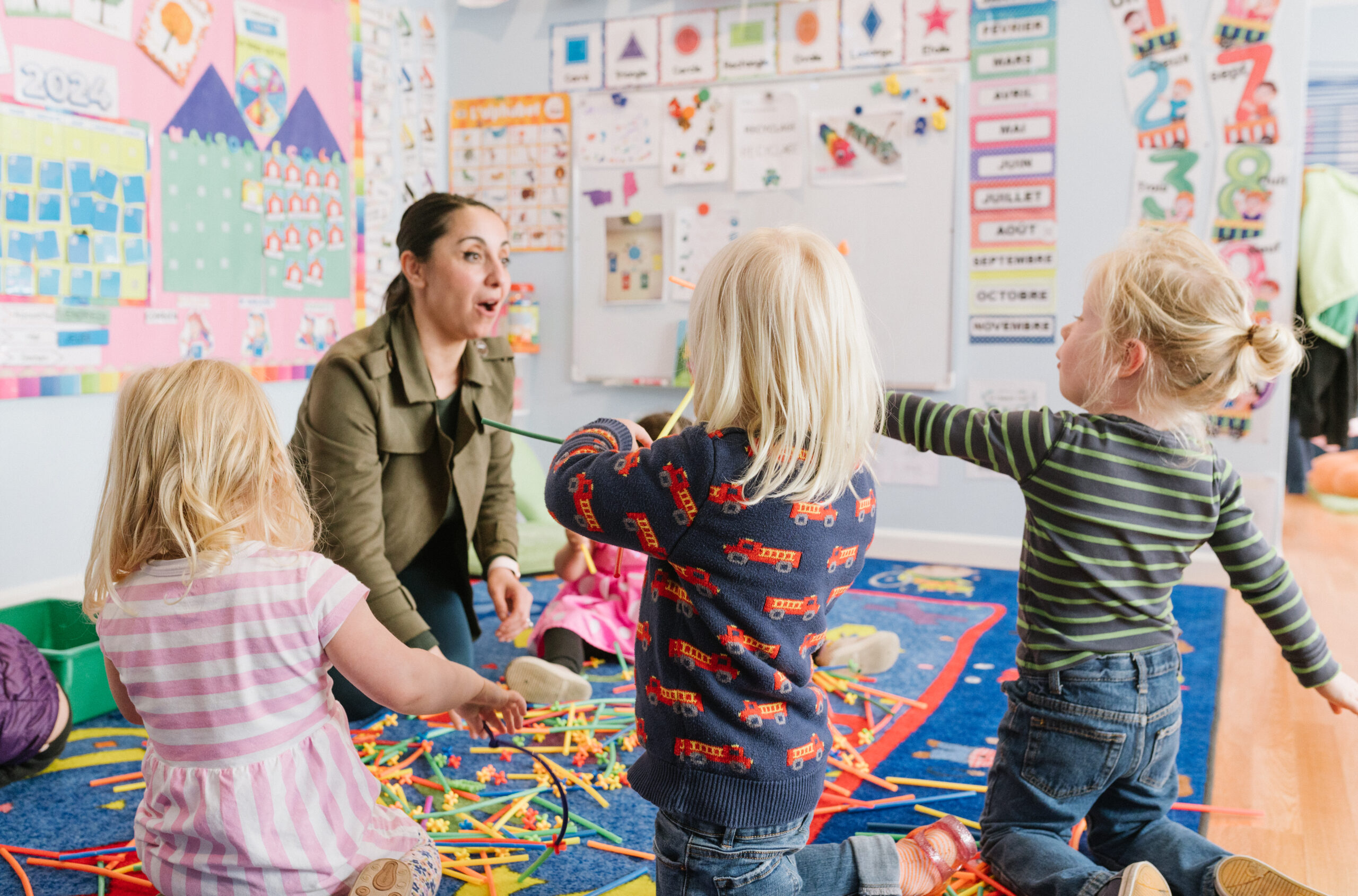
During toddler and preschool years, the brain is more flexible and absorbent than at any other time in life. Young children learn language instinctively through rhythm, sound, and meaningful interaction. When exposed to two languages early, they develop strong neural networks that support communication, reasoning, and memory.
This early bilingual exposure does not replace English: it strengthens it. Research published by The National Library of Medicine shows that bilingual children often understand grammar, vocabulary, and language structure more deeply because they are constantly comparing and interpreting meaning across languages.
Families sometimes worry that learning two languages might confuse young children or delay speech. Studies show the opposite: bilingual children meet the same language milestones as monolingual children and often show stronger verbal awareness by elementary school.
Confidence, Curiosity, and Social Growth
Bilingual learning nurtures more than spoken language. Children exposed to another language develop curiosity about how people communicate, how families celebrate traditions, and how cultures express themselves differently.
In early childhood, these questions appear as simple observations:
“Why does my teacher say bonjour?”
or
“Why do we count in French and English?”
Questions like these build empathy and cultural openness. Children begin to see the world beyond their neighborhood and recognize that people speak differently, celebrate differently, and learn differently—all of which becomes part of their developing identity.
At ABS, bilingualism is introduced gently through play, songs, routines, and storytelling. Children begin using French phrases comfortably in daily life by counting crayons, greeting teachers, or identifying objects during play. Even shy speakers begin to participate when they feel emotionally connected to the learning environment.
A Lifetime Advantage in School
Learning a second language at a young age doesn’t just benefit preschool; it strengthens future academic success. Bilingual children tend to develop strong problem-solving skills, flexible thinking, and the ability to focus for longer periods. These skills appear in school readiness, reading comprehension, and mathematical reasoning.
As children enter elementary school, bilingual learning continues to support vocabulary, reading fluency, and writing ability. Families often observe that bilingual children pick up additional languages more easily in adolescence as well. Their brains are already accustomed to switching between linguistic systems and interpreting new language patterns.
ABS prepares children not only for local programs in Oakland but also for French and international schools around the world. This flexibility becomes especially valuable for families who may relocate for work or who have cultural or family ties elsewhere.
Bilingualism at Home (Even If You Don’t Speak French)
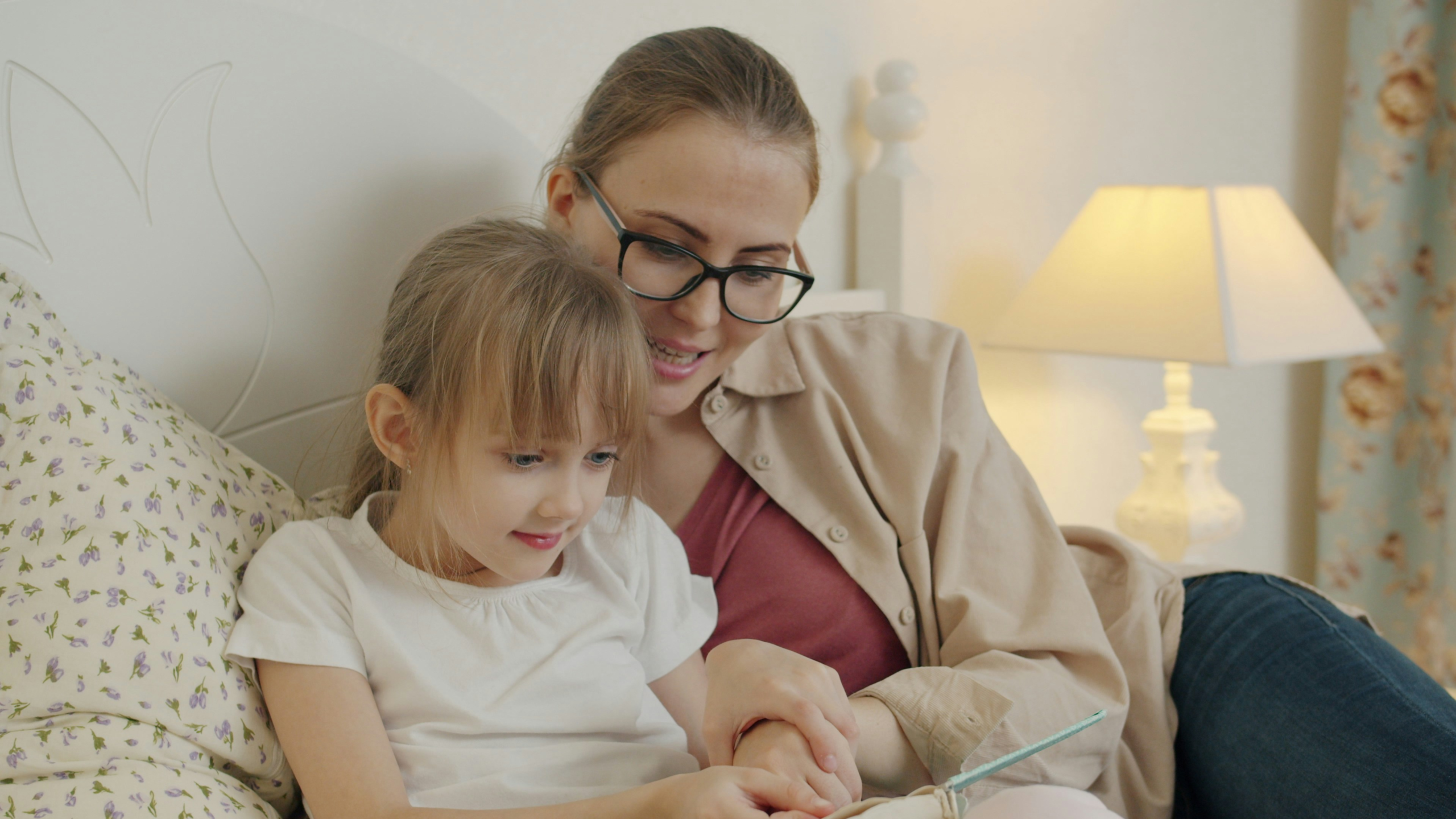
Parents sometimes feel unsure about supporting bilingual development if they don’t speak the language themselves. Fortunately, there are plenty of ways to boost bilingualism at home. Children learn most effectively when language is associated with joy, comfort, and connection rather than perfection.
Families don’t need fluent French to nurture bilingual growth. Singing French songs, celebrating French seasonal traditions, or learning a few simple phrases creates an emotional bridge between home and school. When parents show interest, even with a simple “merci,” children feel proud of what they’ve learned and eager to share more.
ABS partners closely with families, offering suggestions that feel natural and fun rather than academic. When early bilingual learning becomes part of the family rhythm, children develop confidence that lasts far beyond preschool.
Cultural Identity, Community, and Global Awareness
Being bilingual isn’t only about language. It’s about understanding the world and participating in a global community. Children who grow up bilingual often express a strong sense of belonging. They feel connected to more than one culture and see themselves as part of a larger world.
This cultural awareness helps children:
• build empathy
• respect differences
• understand diverse perspectives
• communicate across cultures
These skills benefit children socially and emotionally and support future academic and professional environments. In a multicultural city like Oakland, bilingual children naturally become bridges between cultures: sharing songs, expressions, and traditions that enrich the entire classroom community.
ABS and the Gift of Early Bilingual Education
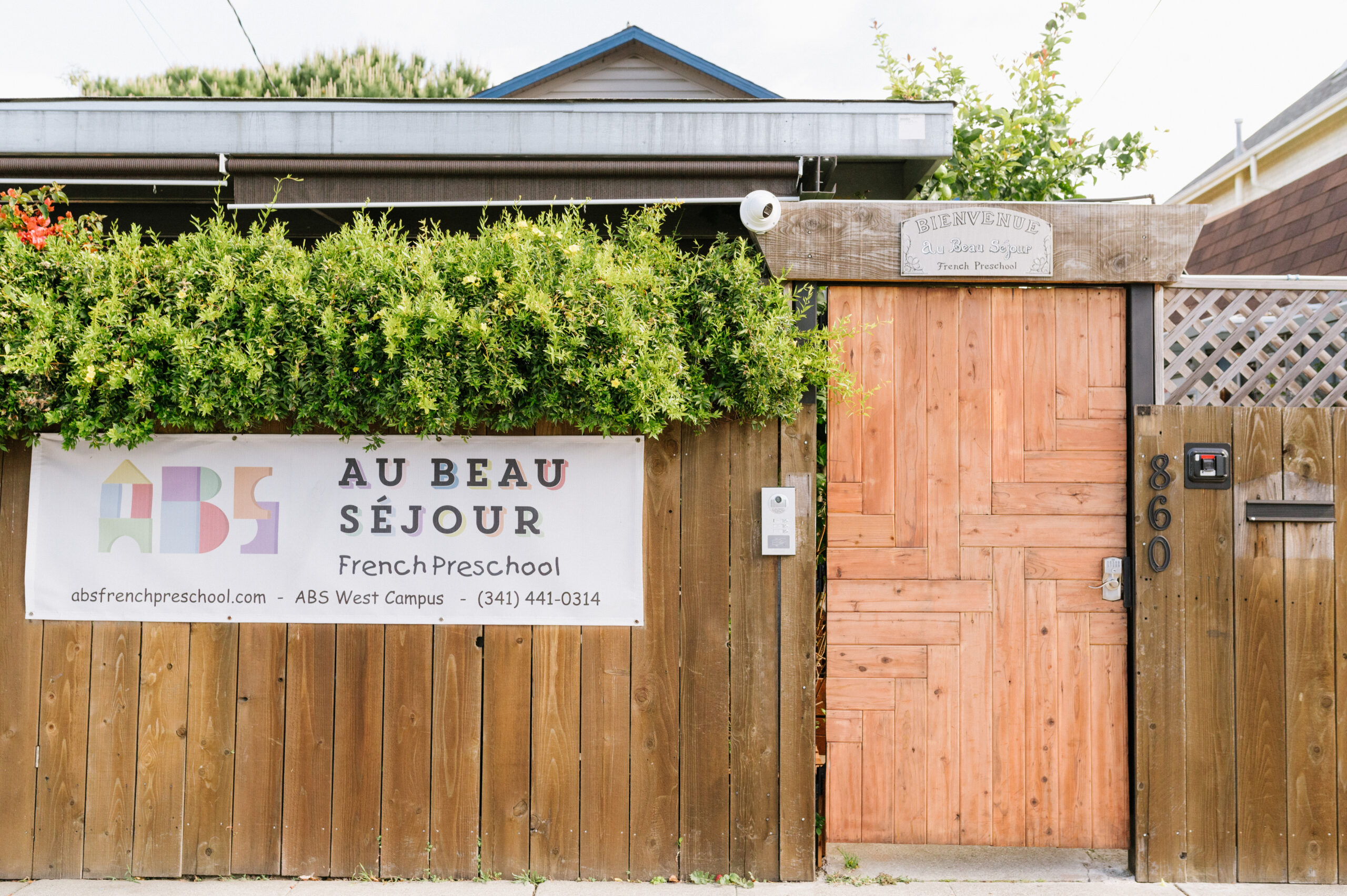
Au Beau Séjour’s French immersion program gives children a foundation that continues long after preschool. By hearing and speaking French throughout the day, children learn naturally and confidently.
Parents often notice that their child begins mixing languages, singing French songs at home, or repeating phrases months before they realize how much they’ve absorbed. Over time, French becomes not just a subject but part of a child’s identity, something to take pride in and carry forward into future learning.
For families seeking a nurturing, academically grounded, culturally rich early learning environment, bilingual preschool offers a unique and lasting advantage. ABS believes bilingualism is both a gift and a path toward a more curious and confident childhood, setting children up for academic success and a lifetime of cultural appreciation.