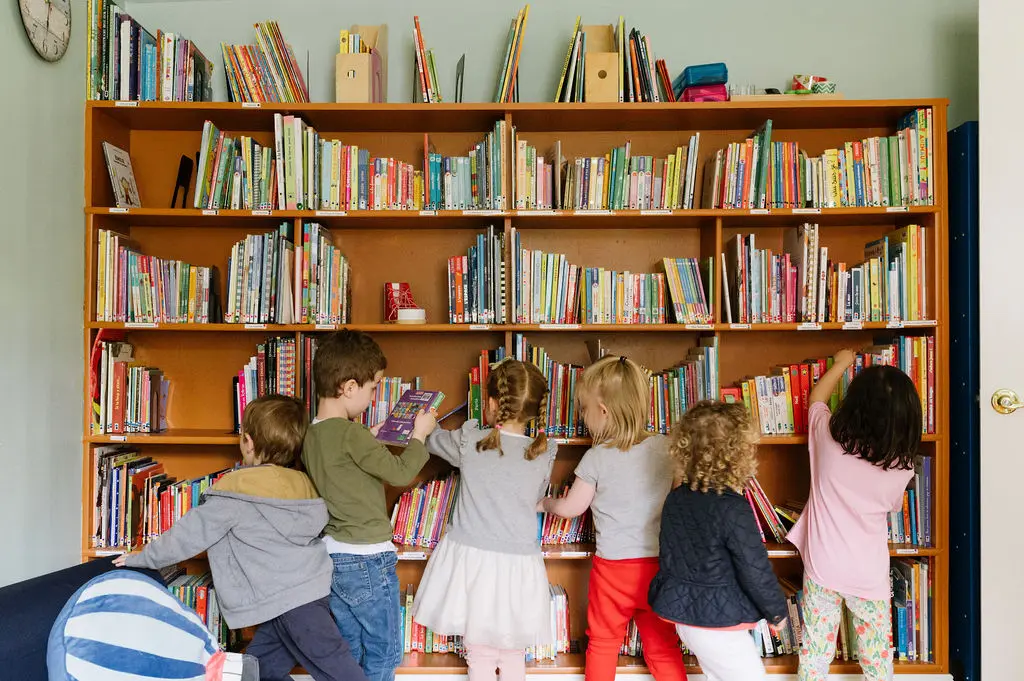
One of the most common questions parents ask when exploring a French immersion preschool is whether their child should already know some French before enrolling. It is an understandable concern. Many families worry that their child will feel lost, struggle to keep up with classmates, or fall behind if they have never heard the language before.
The reality is much simpler. French immersion programs are designed with beginners in mind. Teachers expect many children to arrive knowing only English, and the classroom is intentionally structured to help them acquire French naturally over time. The goal is not for children to arrive prepared. It is for the preschool environment itself to become the place where language begins to grow.
Language Comes Before Speaking
Think about how children learned their first language. Long before they spoke their first word, they spent months listening. They watched facial expressions, connected words to actions, and gradually figured out what familiar phrases meant through repetition. The same process happens in a French immersion classroom.
Children spend their first weeks and months listening, observing, and making connections. They hear teachers greet them every morning, sing familiar songs, read stories, and guide everyday routines. Eventually, those repeated experiences begin to make sense without anyone needing to translate every sentence. Understanding almost always comes before speaking.
French Is Part of the Day, Not a Separate Lesson
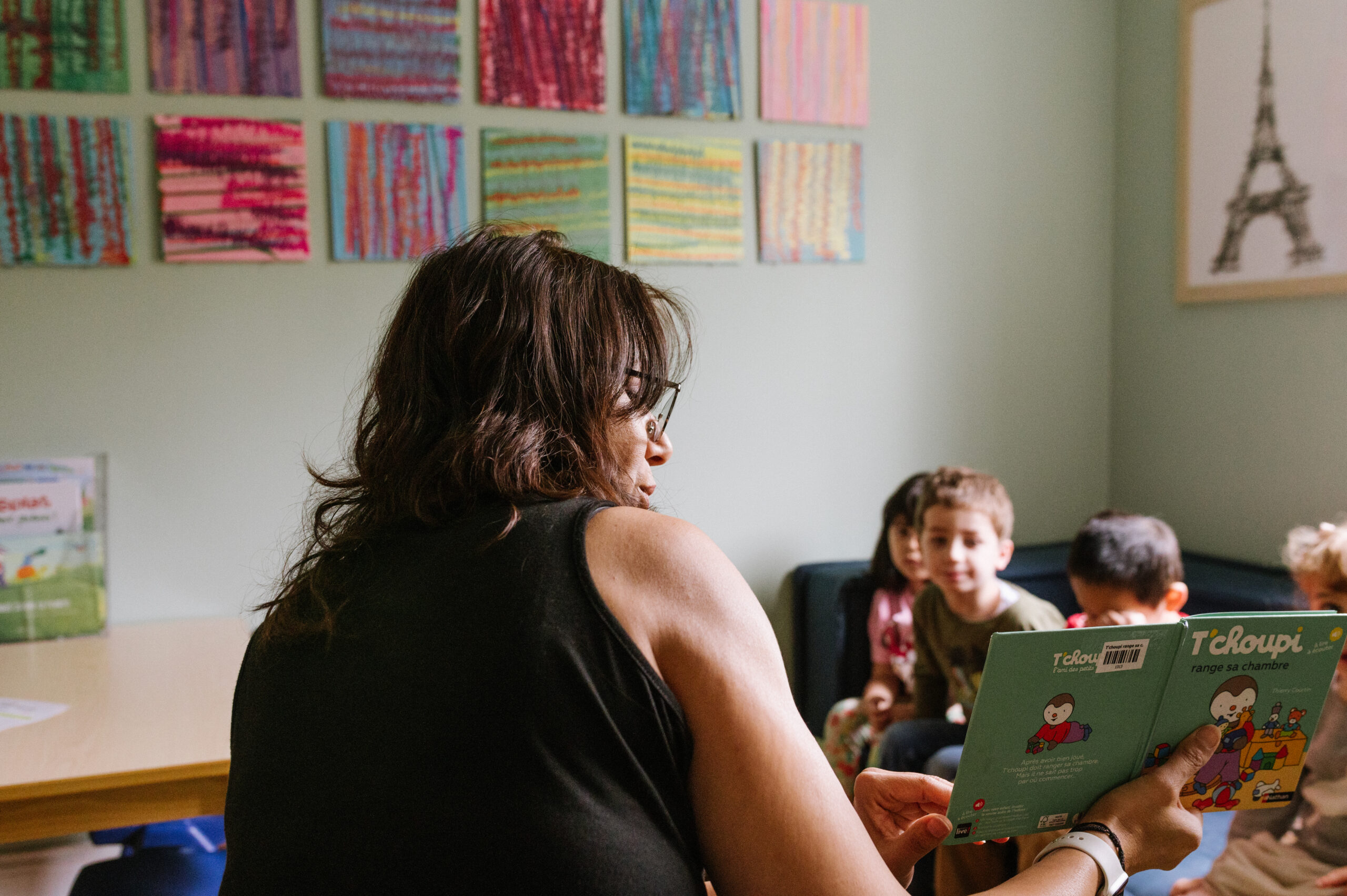
Parents sometimes picture language instruction as vocabulary drills or flashcards. Young children learn very differently. Rather than sitting through formal French lessons, children experience the language during activities they would already be doing in any preschool classroom.
That includes:
- Morning greetings and circle time.
- Storybooks and songs.
- Art and sensory activities.
- Outdoor exploration.
- Meals and snack time.
- Play with classmates.
- Everyday classroom routines.
Because French is connected to meaningful experiences, children begin associating words with actions, objects, and emotions. The language becomes familiar through repetition instead of memorization.
Every Child Finds Their Own Pace
Some children begin using French words after only a few weeks. Others prefer to listen quietly for much longer before attempting to speak. Both approaches are completely normal.
Teachers recognize that language development is different for every child. They celebrate progress without putting pressure on children to speak before they are ready. A child who appears silent may actually understand far more than they can express. This “silent period” is well documented in second-language learning and gives children time to build comprehension before they begin communicating with confidence. Patience is part of the process.
Confidence Grows Alongside Language
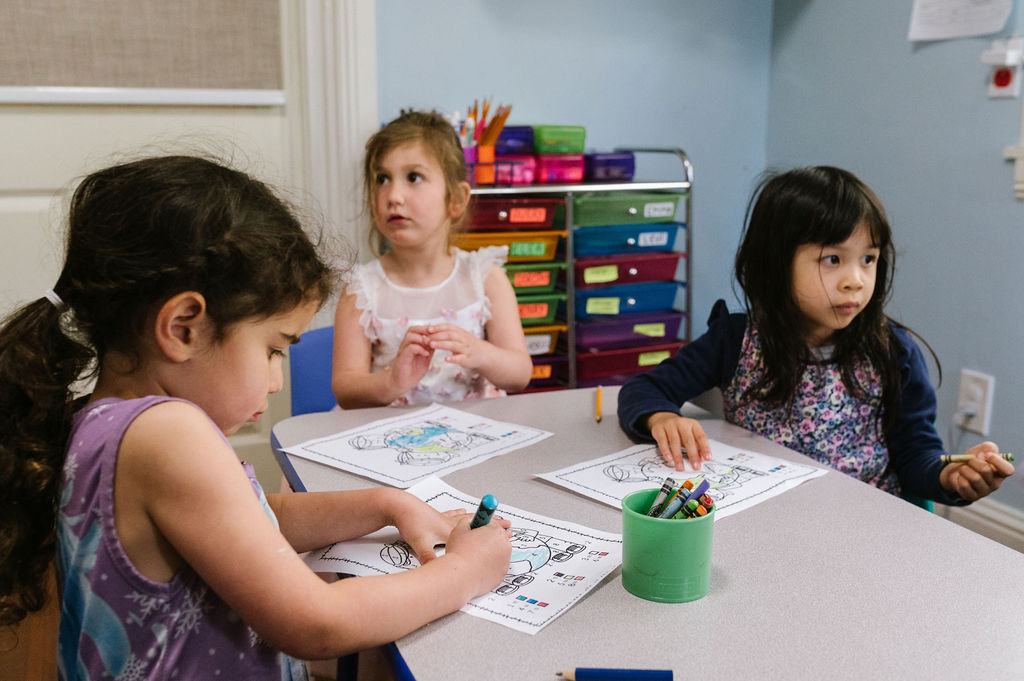
Children are far more likely to use a new language when they feel comfortable in their surroundings. Familiar teachers, predictable routines, and encouraging classmates all contribute to that confidence.
Instead of worrying about saying every word correctly, children begin participating because the classroom feels safe. They answer simple questions, join songs, and gradually experiment with new vocabulary as their understanding grows.
Language development becomes one piece of a much larger preschool experience that also includes building friendships, solving problems, expressing creativity, and becoming more independent.
Starting Fresh Is Exactly What French Immersion Is Designed For
One of the biggest misconceptions about French immersion is that children need a head start. In reality, beginning with little or no French is exactly what these programs are built to support.
According to the American Council on the Teaching of Foreign Languages (ACTFL), young children acquire new languages most successfully through meaningful interaction and regular exposure rather than memorization or formal grammar instruction. That is why high-quality immersion programs focus on communication, routines, and everyday experiences instead of traditional language lessons.
At Au Beau Sejour, children are welcomed exactly as they are, whether they know a few French words or none at all. Through stories, songs, play, conversation, and consistent daily routines, French becomes a natural part of each child’s day. Over time, those everyday moments build comprehension, confidence, and a genuine connection to a new language without requiring any previous experience.