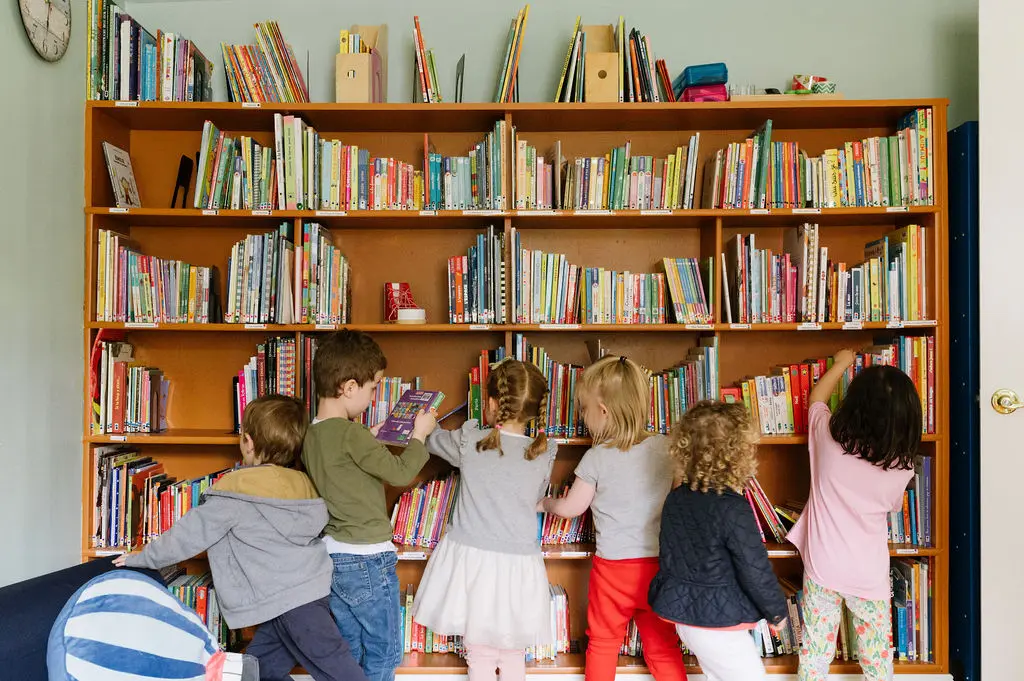
When children bring home a painted picture, a paper collage, or a colorful craft, it is easy to focus on the finished product. Parents might admire the bright colors, hang it on the refrigerator, or ask what inspired the creation. While these moments are meaningful, they tell only part of the story. Much of the learning happened long before the artwork was complete.
In early childhood education, art is far more than a creative pastime. Thoughtfully planned preschool art activities help children develop physical, cognitive, social, and emotional skills all at once. Every brushstroke, cut with a pair of scissors, and decision about color or shape contributes to preschool development in ways that may not be immediately obvious.
Art Strengthens Fine Motor Skills
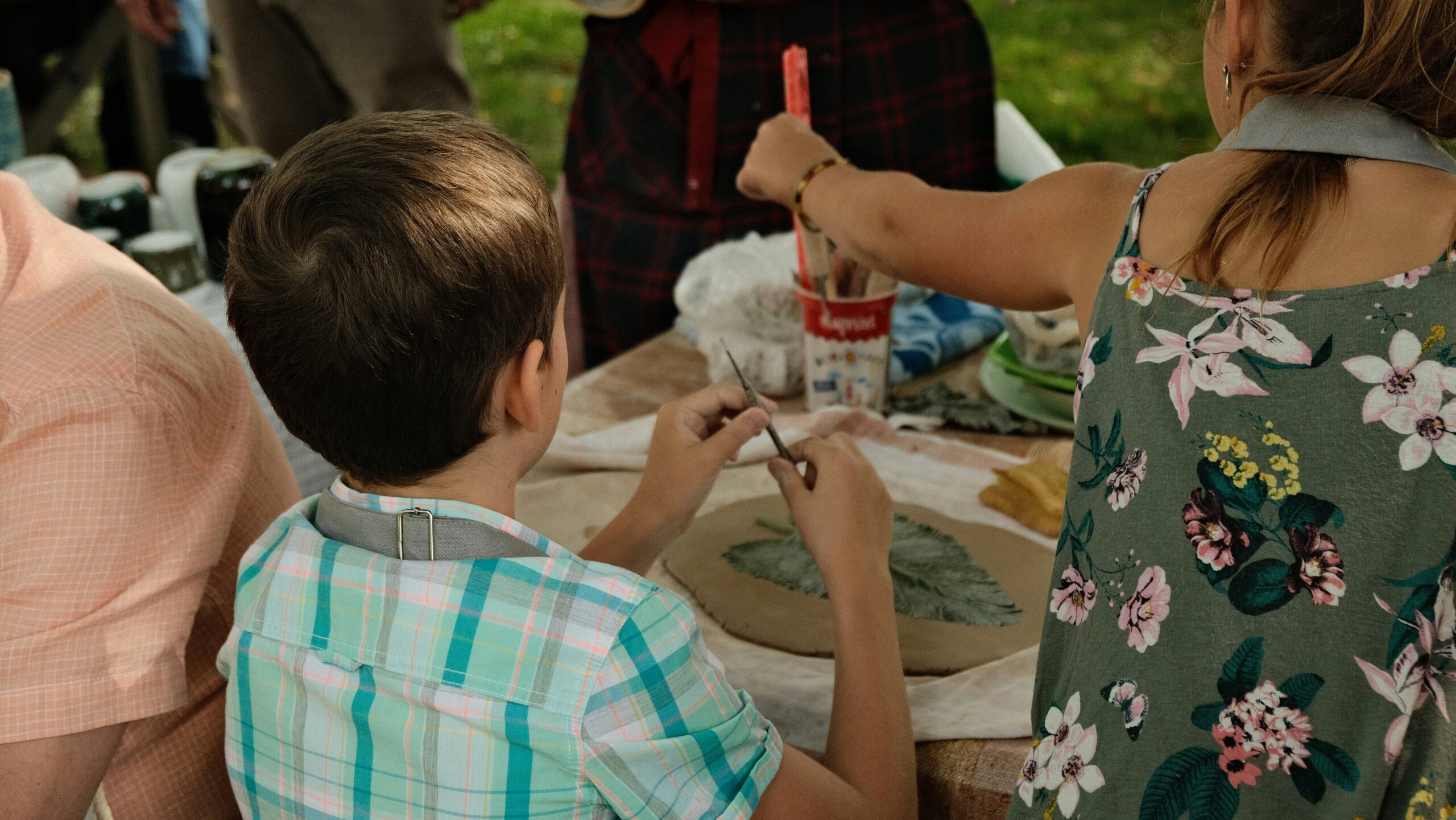
Many art activities involve small, precise movements that help strengthen the muscles children use every day. Holding a paintbrush, squeezing glue, tearing paper, threading beads, or using child-safe scissors all require coordination and control.
These fine motor skills are closely connected to later academic tasks. As children build hand strength and improve coordination, they become better prepared for writing, drawing, and other classroom activities that require careful hand movements.
Teachers often choose art materials that encourage children to practice these skills naturally. Rather than completing repetitive exercises, children develop coordination while creating something meaningful, making the experience both enjoyable and purposeful.
Creativity Encourages Problem-Solving
Art rarely has a single right answer. Children are constantly making choices about colors, materials, shapes, and techniques. As they work through these decisions, they develop flexible thinking and problem-solving skills.
A child may discover that one material does not stick the way they expected or realize they need a different approach to complete an idea. These small challenges encourage experimentation and persistence. Children learn to adjust their plans, try new solutions, and continue working toward their goals.
This process helps children become more comfortable with uncertainty. Instead of worrying about making mistakes, they begin to see challenges as opportunities to explore different possibilities. That mindset supports learning well beyond the art table.
Art Gives Children a Voice
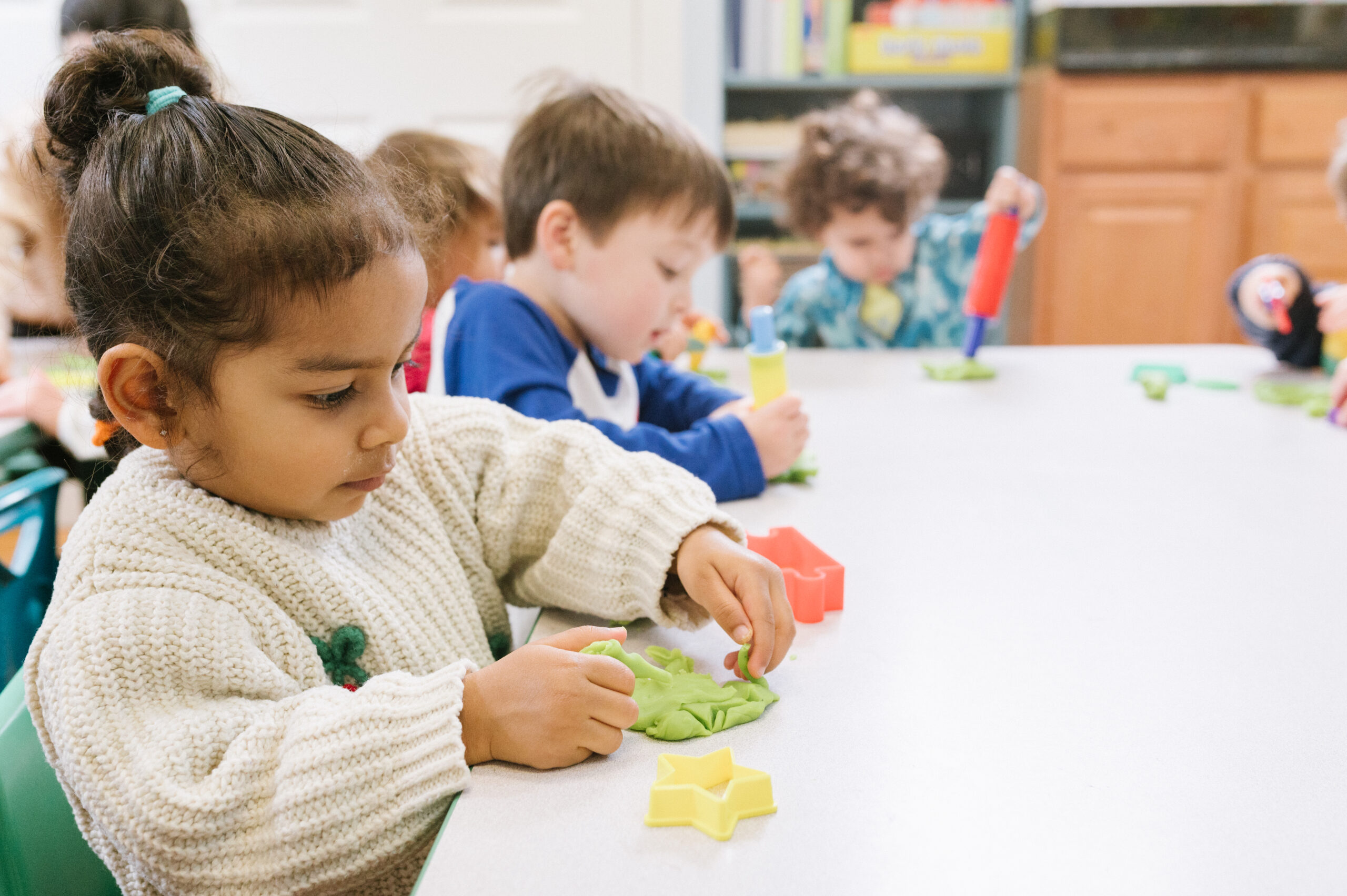
Young children do not always have the vocabulary to explain everything they are thinking or feeling. Art provides another way for them to communicate ideas, experiences, and emotions.
As children create, they often tell stories about their work or explain why they chose certain colors and shapes. These conversations help expand vocabulary while giving teachers valuable insight into each child’s thinking. Art becomes both a creative outlet and a language-building experience.
Self-expression also helps children build confidence. When their ideas are welcomed and valued, they begin to see themselves as capable creators whose thoughts matter. That confidence often carries into other classroom experiences, encouraging greater participation and curiosity.
Artistic Experiences Connect to Other Areas of Learning
One of the strengths of preschool art activities is that they naturally connect with many other subjects. A seasonal art project might include discussions about nature, weather, or science. Creating patterns with shapes introduces early math concepts, while illustrating a favorite story reinforces language and comprehension skills.
Art also encourages observation. Children begin noticing details, comparing objects, and thinking carefully about the world around them. These skills support critical thinking across many areas of learning.
Collaborative art projects provide additional opportunities to practice cooperation and communication. Children learn to share materials, exchange ideas, and work toward a common goal while respecting one another’s contributions.
Looking Beyond the Finished Project
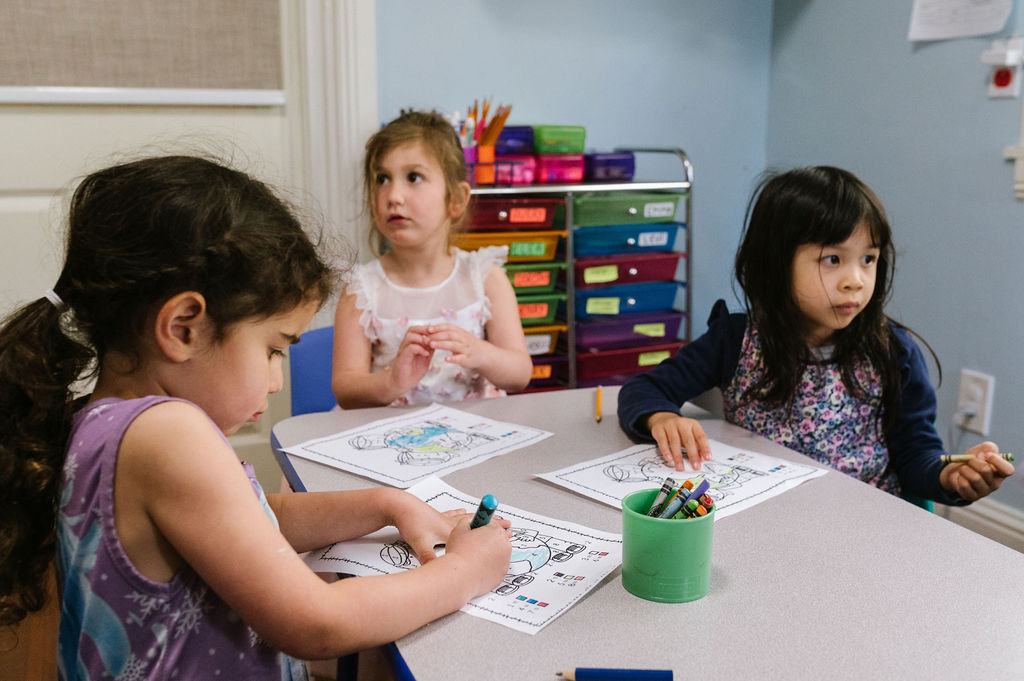
It can be tempting to judge an art project by how polished it looks, but in preschool, the process is usually more important than the final result. Teachers pay close attention to how children approach the activity, make decisions, solve problems, and interact with others throughout the creative experience.
Some children carefully plan every detail before they begin. Others experiment freely and adjust their ideas as they work. Both approaches provide valuable opportunities for learning and growth. The artwork becomes a reflection of a much larger developmental journey rather than a simple craft.
At Au Beau Sejour, creativity is an important part of the learning experience. Preschool art activities are designed to encourage exploration while supporting fine motor development, communication, problem-solving, and self-expression. Schedule a tour with us and find out first-hand how our teachers can help your children build skills that strengthen both their confidence and their readiness for future learning.