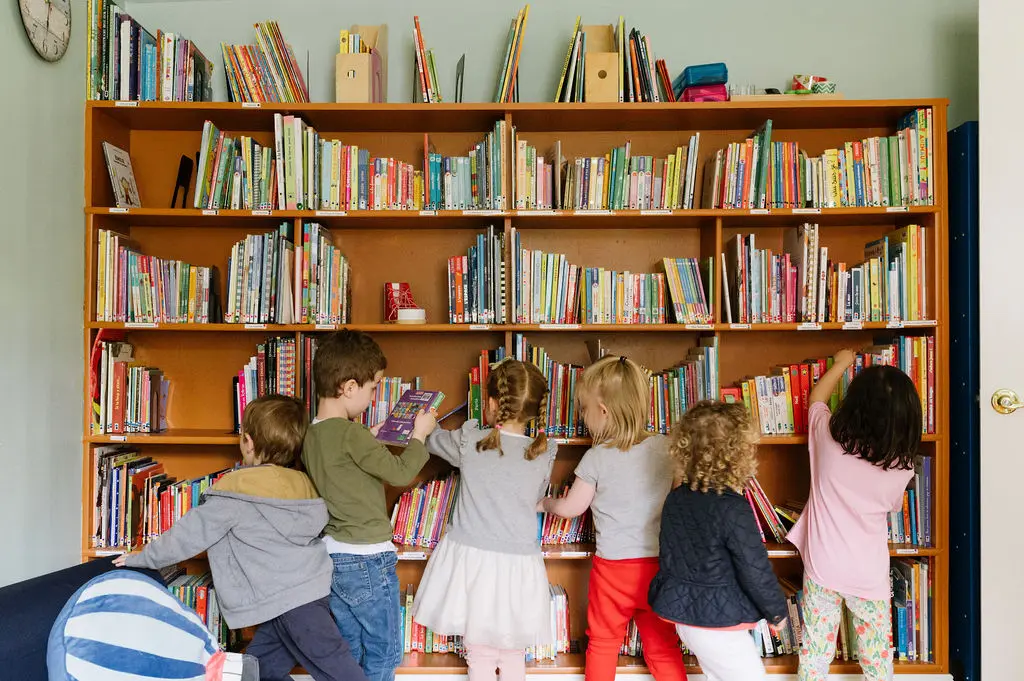
Long before report cards, grades, or homework assignments, children are forming opinions about school. They’re deciding whether learning feels exciting or stressful. Whether mistakes feel safe or embarrassing. Whether adults expect perfection or growth. Those early impressions matter more than most people realize.
In the preschool years, children aren’t just learning letters and numbers. They’re learning how it feels to be a learner. That emotional imprint can stay with them for years.
Learning Is Emotional Before It Is Academic
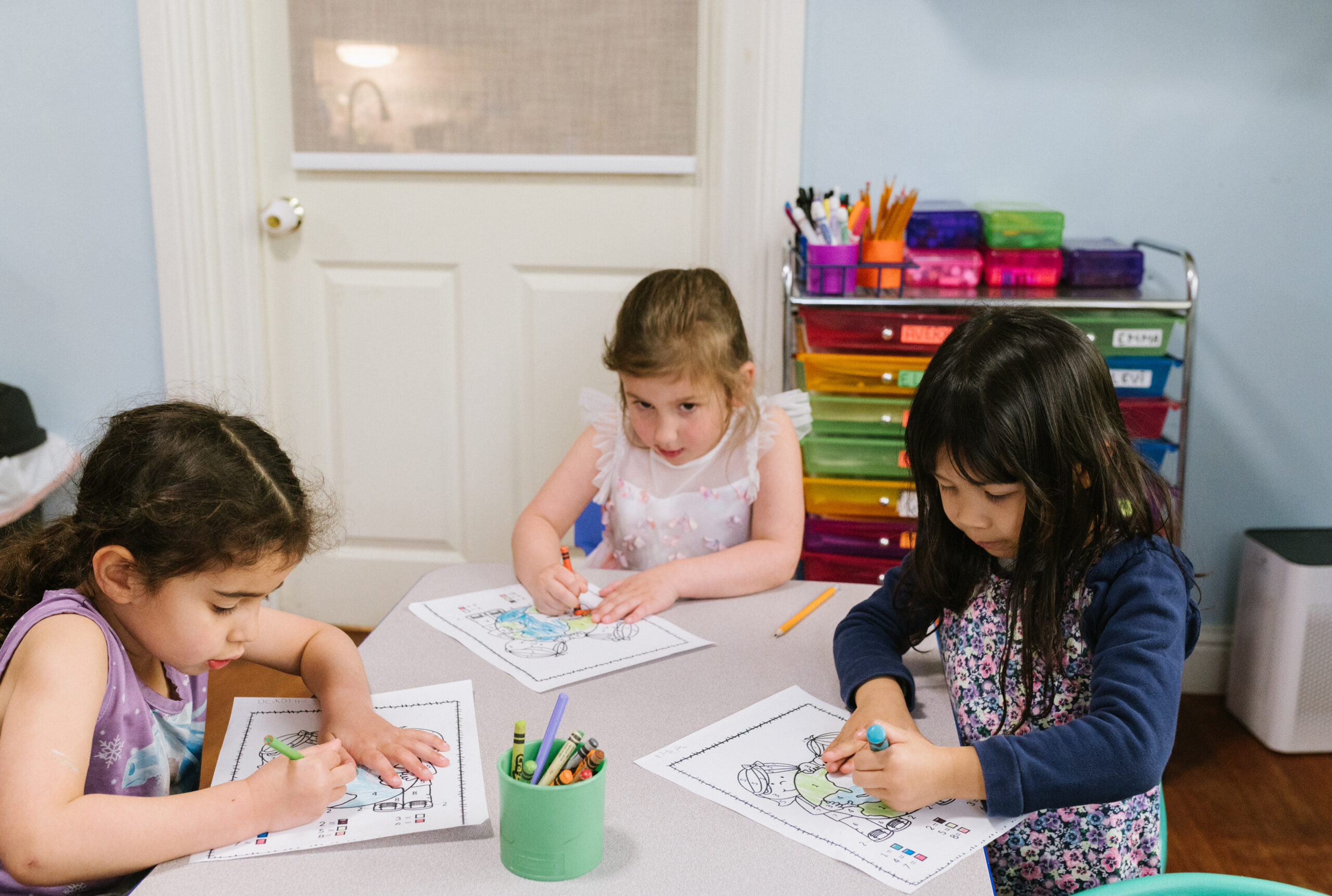
We often talk about the academic side of early childhood education. Vocabulary growth. Early literacy. Number sense. Those skills are important, but they’re only part of the story.
In early childhood, emotion and learning are deeply connected. A child who feels safe and supported is far more likely to explore, ask questions, and persist through challenges. A child who feels pressure or comparison may begin to hesitate.
Preschool learning works best when it builds confidence alongside competence. When children experience encouragement rather than evaluation, they start to associate school with curiosity instead of performance. That mindset shapes how they approach every future classroom.
The First Experiences Set the Tone
For many children, preschool is their first structured school experience. It’s where they learn what it means to sit in a circle, listen to a story, share materials, and try something new. If those early experiences feel rushed or overly academic, children may begin to see learning as something to get right rather than something to explore.
But when early education emphasizes discovery, conversation, and gradual growth, something different happens. Children begin to trust the process. They learn that understanding takes time. They learn that effort matters more than instant success. This foundation supports resilience later on, especially when academic expectations increase in elementary school.
The Power of Feeling Capable
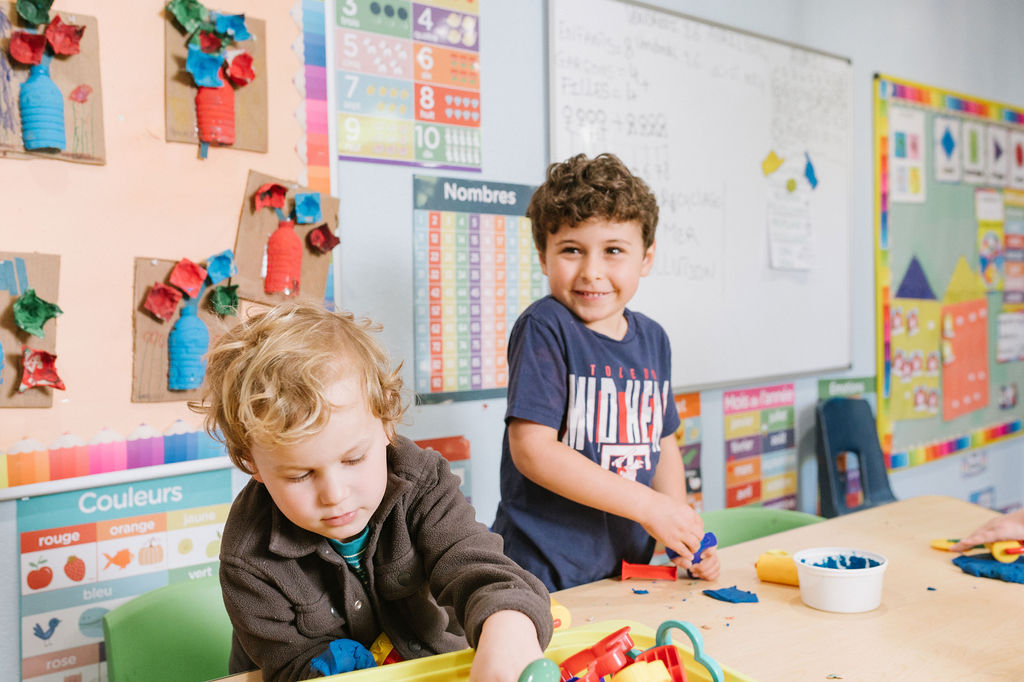
One of the most overlooked early childhood education benefits is the development of self-efficacy. That’s a simple way of saying a child believes they can handle challenges.
In preschool learning environments that balance structure with warmth, children are given manageable responsibilities. They clean up materials. They participate in group discussions. They attempt new tasks with guidance nearby. Each small success builds a sense of independence and confidence.
Over time, children internalize that feeling. They approach new experiences with assertiveness because they’ve practiced trying, adjusting, and succeeding in small ways. This belief in their own ability becomes one of the strongest predictors of long-term academic persistence.
Mistakes as Part of Growth
The way mistakes are handled in early education has a lasting impact. If errors are treated as failures, children may begin to avoid risk. If mistakes are seen as part of the learning process, children develop courage.
In supportive preschool settings, teachers respond to mistakes with curiosity rather than correction alone. “Let’s try again.” “What could we do differently?” “That was a good effort.”
Children learn that learning involves revision. They begin to see challenges as normal rather than threatening. By the time they reach elementary school, they are better equipped to handle complex work without feeling defeated by setbacks.
Social Experiences Shape Academic Confidence
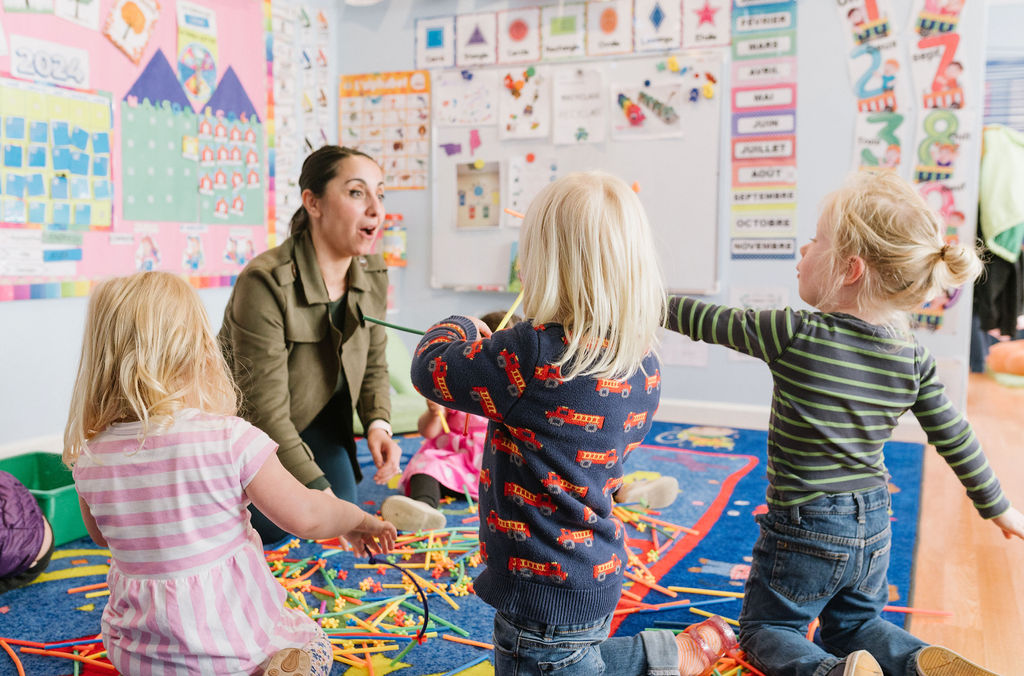
Preschool learning is not only about academic readiness. It’s also about community. How children interact with peers influences how comfortable they feel participating in class.
When children learn to share ideas, listen to others, and navigate small conflicts, they build social confidence. That confidence makes it easier to raise a hand, ask for help, or collaborate on group work later on.
At Au Beau Sejour French Preschool, small class sizes and consistent routines create space for these social skills to develop naturally. Children are known by their teachers. They feel safe speaking up. They feel secure enough to experiment with new ideas. That sense of belonging strengthens their relationship with learning itself.
Loving Learning in a French Immersion Environment
In a French immersion school, children encounter new sounds, words, and expressions daily. That experience could feel intimidating. Instead, when it’s presented in a supportive, developmentally appropriate way, it becomes an invitation to explore.
Children learn through stories, songs, movement, and play. They are not expected to perform before they understand. They listen first. They absorb. They gradually participate. This approach reinforces an important message: learning unfolds over time. Preschool may seem like a small chapter in a long educational journey. In reality, it sets the tone for everything that follows.
At Au Beau Sejour French Preschool, the focus is not just on what children learn, but how they experience learning. Through consistent routines, thoughtful guidance, and a nurturing environment, children develop both competence and confidence. They leave not only knowing more, but believing they can learn more.
And that belief may be the most important lesson of all.