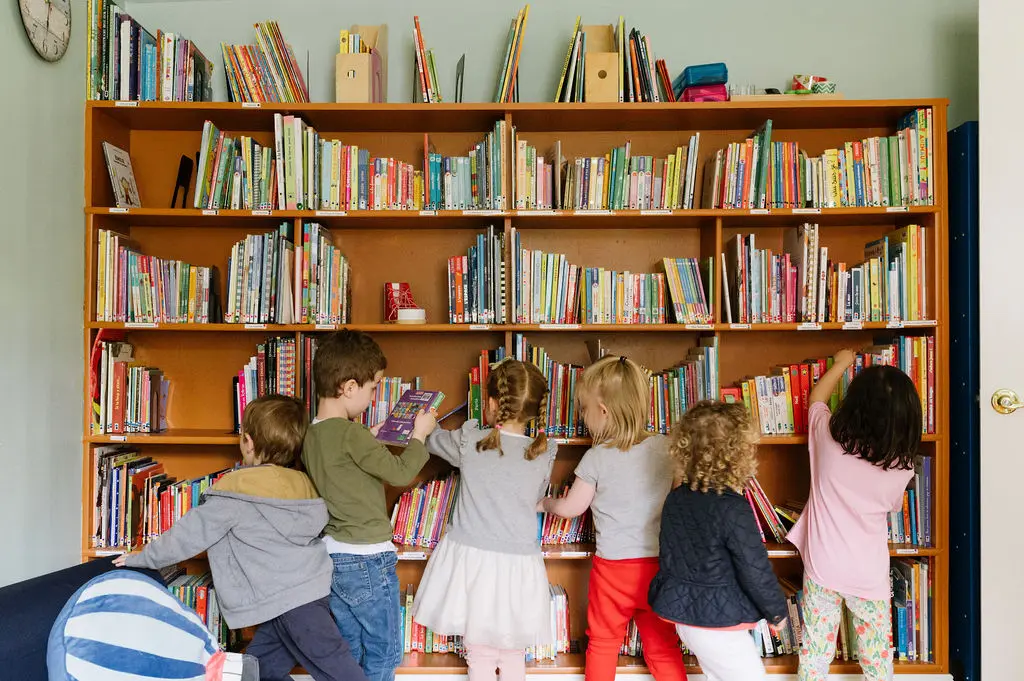
It’s easy to assume that kindergarten readiness is all about academics. Many parents feel pressure to make sure their child can recognize letters, count to a certain number, or even begin reading before that first day of school. While those skills can be helpful, they are not what teachers tend to focus on most when children enter the classroom.
In reality, kindergarten readiness skills are often rooted in how children manage themselves, interact with others, and respond to their environment. Early childhood development is less about how much a child knows and more about how they learn, adapt, and engage. A child who feels confident, regulated, and able to participate in a group setting is often better prepared to succeed than one who has memorized academic concepts without those underlying skills.
Independence Makes a Big Difference
One of the most important aspects of preschool kindergarten preparation is independence. In a kindergarten classroom, teachers are guiding a group of children at once, which means each child needs to be able to manage small tasks on their own throughout the day.
This can include simple things like putting on a jacket, opening a lunch container, or cleaning up after an activity. These tasks may seem minor, but they play a big role in helping children move through their day smoothly. When children can take care of these needs independently, they spend less time waiting for help and more time engaged in learning.
Independence also builds confidence. When children can complete tasks on their own, they begin to trust their abilities. That sense of capability carries into new situations, making transitions into kindergarten feel less overwhelming.
Listening and Following Directions

Another key part of kindergarten readiness is the ability to listen and follow directions. Classrooms are structured environments, and children are expected to respond to verbal cues, group instructions, and transitions throughout the day.
In preschool settings, children begin practicing these skills through routines and guided activities. They learn to listen during group time, follow multi-step instructions, and respond when their teacher calls for attention. These experiences help them understand how to function within a group setting.
Strong listening skills also support learning in every subject. Whether a child is participating in a story, working on an activity, or engaging with peers, their ability to focus and respond to instructions shapes how much they are able to take in and apply.
Emotional Regulation and Social Skills
Emotional regulation is often one of the most important, and most overlooked, readiness skills. Kindergarten introduces new social dynamics, shared spaces, and expectations that can feel challenging for young children.
Children who are able to manage their emotions, even in simple ways, tend to adjust more easily. This does not mean they never feel frustrated or upset. Instead, it means they are beginning to recognize those feelings and respond in a manageable way, whether that is asking for help, taking a break, or using words to express themselves.
Social skills go hand in hand with emotional regulation. Sharing, taking turns, and resolving small conflicts are all part of daily classroom life. Preschool environments provide opportunities for children to practice these interactions in a supportive setting, helping them build the confidence to navigate relationships on their own.
Curiosity and Willingness to Try
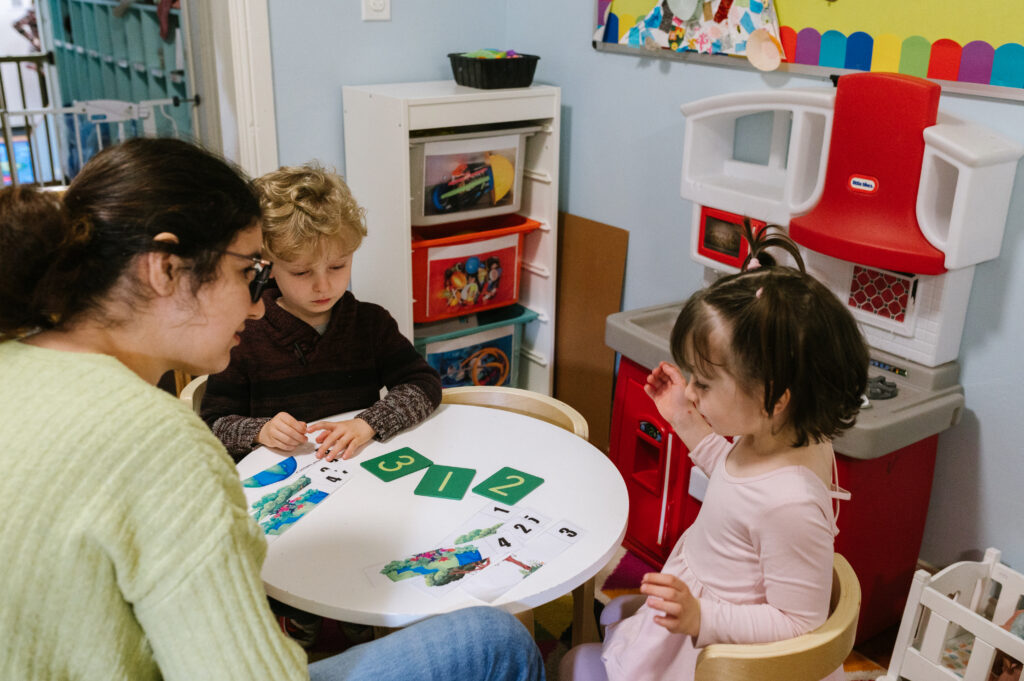
Beyond specific skills, a child’s mindset plays an important role in their transition to kindergarten. Curiosity and a willingness to try new things can have a lasting impact on how they approach learning.
Children who feel comfortable exploring, asking questions, and making mistakes tend to engage more deeply in the classroom. They are less concerned with getting everything right and more focused on the process of learning. This openness allows them to build skills over time rather than feeling discouraged by challenges.
Preschool experiences often nurture this mindset by creating environments where exploration is encouraged. Through play, guided activities, and supportive interactions, children learn that it is okay to take risks and try again.
Why Readiness Looks Different for Every Child
It is important to remember that kindergarten readiness does not look exactly the same for every child. Early childhood development happens at different paces, and each child brings their own strengths and experiences into the classroom.
Rather than focusing on a checklist of academic milestones, it is more helpful to look at how a child interacts with their environment. Are they able to participate in routines, communicate their needs, and engage with others? These are the kinds of indicators that teachers often value most.
At Au Beau Séjour, preschool kindergarten preparation focuses on building these foundational skills in a thoughtful and consistent way. Small class sizes, structured routines, and supportive teachers help children develop independence, confidence, and the ability to navigate a classroom setting. Over time, these experiences create a strong foundation that supports both academic learning and overall well-being.
Schedule a tour with us to learn more about how Au Beau Séjour French Preschool can help you and your family.