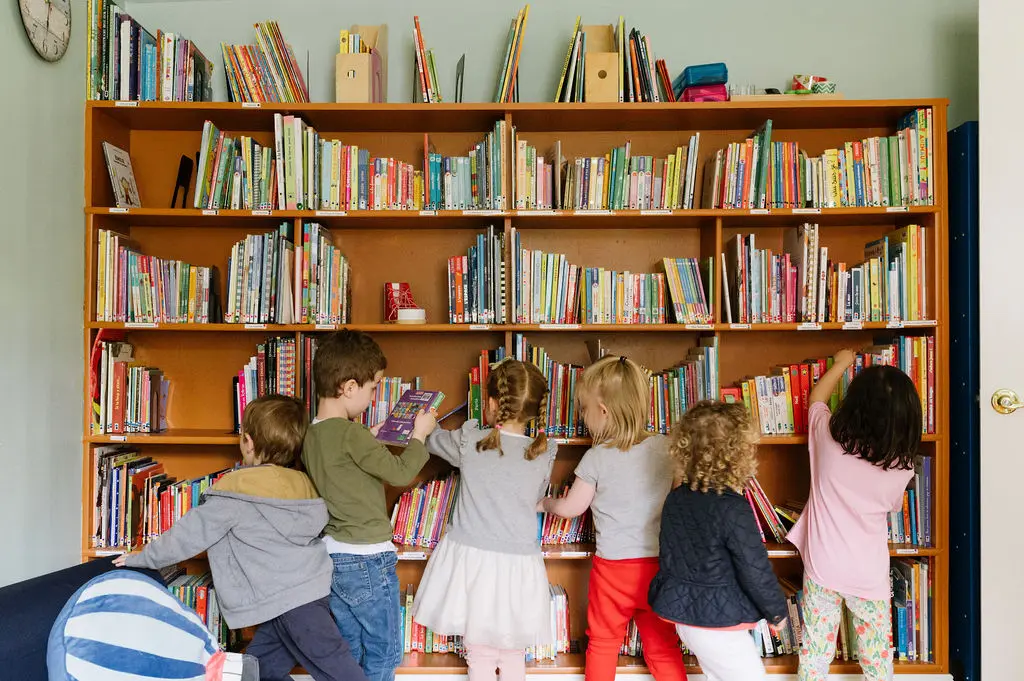
For young children, daily life is still full of unknowns. New environments, unfamiliar expectations, and big emotions can all show up at once, often without much warning. In that kind of landscape, consistency becomes something children can hold onto. When their day follows a steady rhythm and the people around them remain familiar, it creates a sense of calm that allows everything else to fall into place.
This is where early childhood routines and a thoughtful preschool structure begin to matter in a very real way. Predictability helps children feel grounded, but it also frees up their attention. Instead of trying to figure out what is happening next, they can focus on what is right in front of them. Over time, those repeated patterns begin to shape how children approach the world around them.
Emotional Regulation Starts with Stability
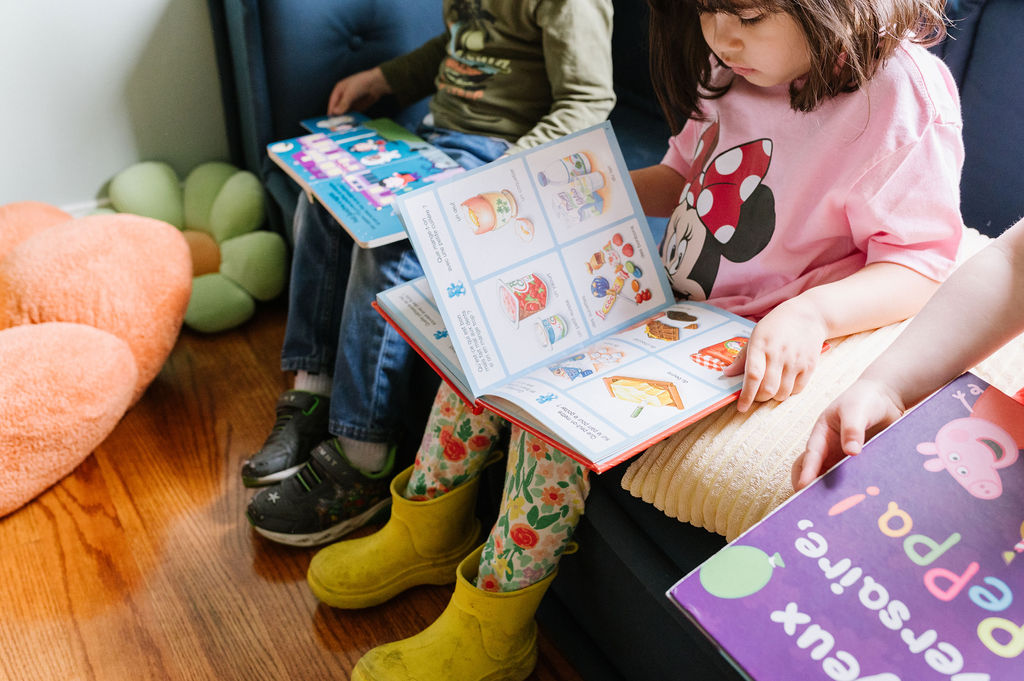
Young children are still learning how to manage their emotions. Frustration, excitement, and anxiety can all feel equally intense, and without a reliable environment, those feelings can quickly become overwhelming. A consistent daily routine helps reduce that sense of unpredictability, giving children a framework they can rely on.
In a preschool setting, this might look like a familiar sequence of events each morning or predictable transitions between activities. Even small details, like being greeted by the same teacher or knowing where to put their belongings, help children settle more quickly. These repeated experiences signal that the environment is safe and manageable.
As children begin to trust that their day will unfold in a familiar way, they are better able to regulate their reactions. Instead of feeling thrown off by every transition, they start to anticipate what is coming. That anticipation builds confidence and allows them to move through their day with more ease.
Routines Create Space for Learning
When a classroom has a clear and consistent flow, children spend less time adjusting and more time engaging. A well-designed preschool structure supports this by creating natural transitions between activities, giving children a sense of direction without constant reminders.
Repetition plays an important role in how children learn. Familiar routines allow them to recognize patterns, understand sequences, and develop a stronger sense of cause and effect. These foundational skills are part of child development in preschool settings, and they grow more naturally when children are not constantly adapting to change.
Consistency also supports language development, especially in bilingual environments. When children hear the same instructions, songs, and phrases used in context each day, they begin to connect meaning with repetition. Over time, these routines help build confidence and independence.
Consistent Caregivers Build Trust
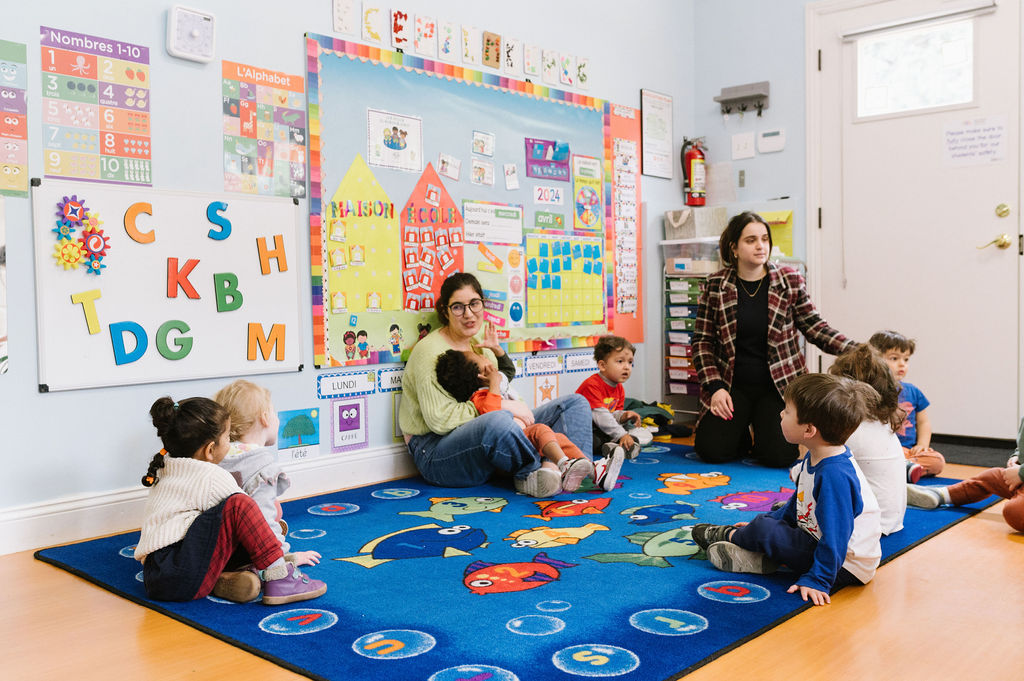
Beyond schedules and routines, consistency in people is just as important. Young children form strong connections with their caregivers, and those relationships play a central role in how they experience their environment. Seeing the same teachers each day helps children feel secure and understood.
In smaller classroom settings, this consistency allows teachers to build meaningful relationships with each child. They become familiar with individual personalities, preferences, and learning styles. This level of understanding makes it easier to support each child in a way that feels personal and responsive.
When children trust the adults around them, they are more likely to participate, communicate, and take part in group activities. They feel comfortable asking for help and more willing to try new things. That sense of trust creates a stronger foundation for both social and academic growth.
Familiar Environments Encourage Independence
A consistent environment does more than provide comfort. It also encourages children to become more independent. When they know where materials are kept and how the classroom is organized, they can move through their day with more confidence.
Children begin to make choices on their own, whether that means selecting an activity, cleaning up after themselves, or transitioning between tasks. These small moments of independence add up over time and help children feel capable in their surroundings.
This familiarity also reduces hesitation. Instead of needing constant guidance, children become active participants in their own learning. They engage more deeply because they understand how their environment works and what is expected of them.
Why It Matters Long-Term
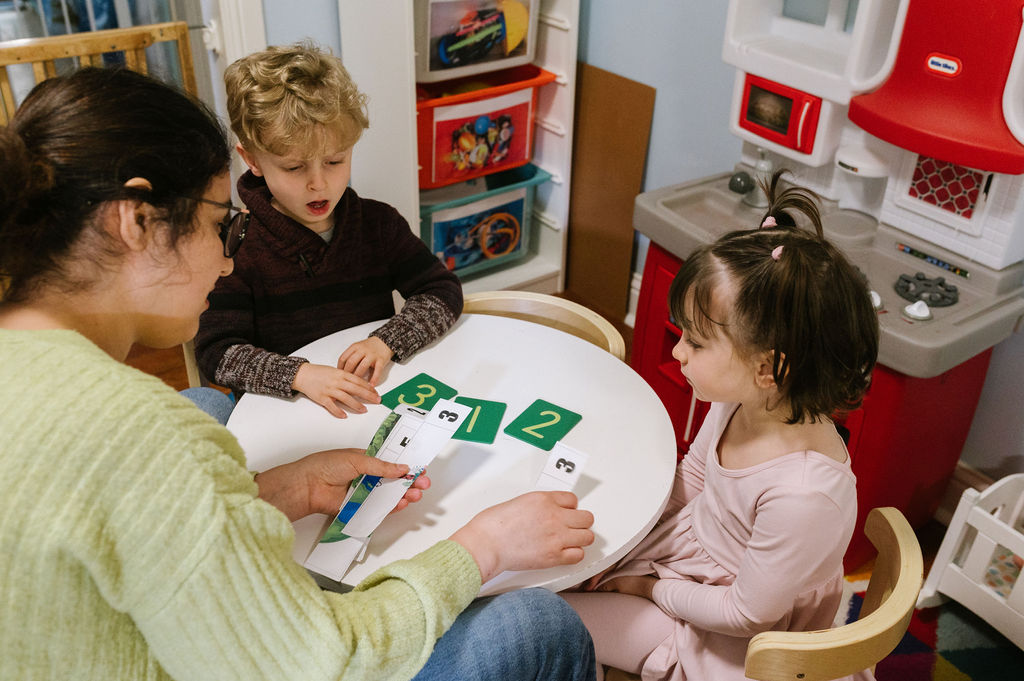
Consistency in early childhood has lasting effects that go far beyond the preschool years. Children who grow up in stable, predictable environments tend to develop stronger emotional regulation, better focus, and more confidence in new situations. These are skills that continue to support them as they move into elementary school and beyond.
Early childhood routines, consistent caregivers, and a clear preschool structure all contribute to this foundation. They help children feel secure enough to explore, communicate, and build relationships in meaningful ways. Over time, that sense of stability becomes part of how they approach learning and growth.
At Au Beau Sejour, consistency is part of the daily experience. Small class sizes, familiar faces, and a steady rhythm throughout the day create an environment where children feel supported and ready to engage. It is this kind of stability that helps children grow with confidence in both language and learning.