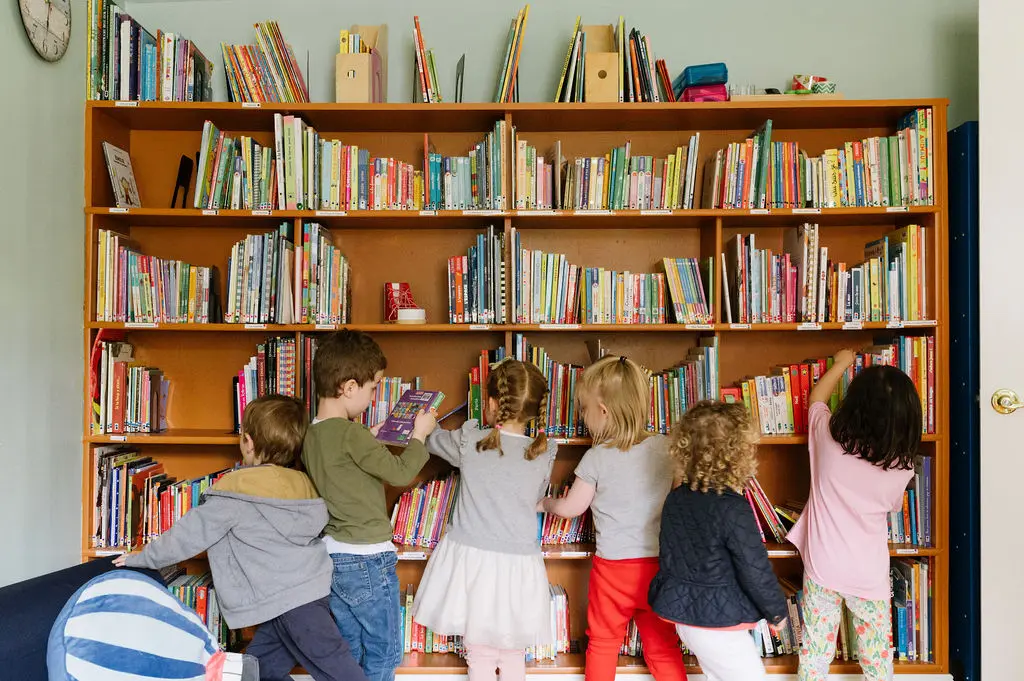
When parents think about preparing their children for school, academic milestones often come to mind first. Recognizing letters, counting objects, and identifying colors can feel like obvious signs of progress. While these skills are certainly important, they are only part of the picture. A child’s ability to communicate, cooperate, and build relationships plays an equally important role in long-term success.
Early childhood development involves much more than learning facts and concepts. Children are also learning how to navigate social situations, understand emotions, and work alongside others. These abilities influence how children participate in the classroom, approach challenges, and engage with learning opportunities. In many ways, social growth and academic growth develop side by side.
Social Skills Support Everyday Learning
Classrooms are social environments. Children spend much of their day interacting with teachers and peers, participating in group activities, and sharing materials and space. Strong social skills help children navigate these experiences more comfortably and confidently.
A child who can listen during group discussions, take turns during activities, and communicate their needs clearly is often better positioned to participate in learning opportunities. These interactions may seem unrelated to academics at first glance, but they directly affect how children engage with lessons and classroom routines.
This is one reason social skills in preschool are such a major focus. Children are constantly practicing how to interact respectfully, solve problems, and work as part of a group. These experiences help create the conditions that allow learning to flourish.
Communication Builds Confidence

One of the most valuable social skills children develop is the ability to communicate effectively. Young children are learning how to express their thoughts, ask questions, and explain their feelings. The more opportunities they have to practice these skills, the more confident they become.
Communication also plays a critical role in learning. Children who feel comfortable speaking up are more likely to seek help when they need it, contribute to discussions, and share ideas with others. These behaviors help deepen understanding and encourage active participation.
In preschool classrooms, teachers create opportunities for conversation throughout the day. Whether children are discussing a story, working on a project, or interacting during play, they are continually building the language and communication skills that support future academic success.
Empathy Helps Children Build Relationships
Empathy is another essential component of social emotional learning in preschool. As children grow, they begin to recognize that other people have thoughts, feelings, and experiences that may differ from their own. This awareness helps them build stronger relationships and navigate social situations more effectively.
Developing empathy often starts with simple interactions. Children learn to notice when a friend is upset, celebrate another child’s accomplishment, or consider how their actions affect others. These moments may seem small, but they help children develop emotional awareness and compassion.
Strong relationships contribute to a positive classroom experience. When children feel connected to their peers and teachers, they are more likely to feel comfortable participating, taking risks, and engaging in new learning opportunities.
Cooperation Encourages Problem-Solving
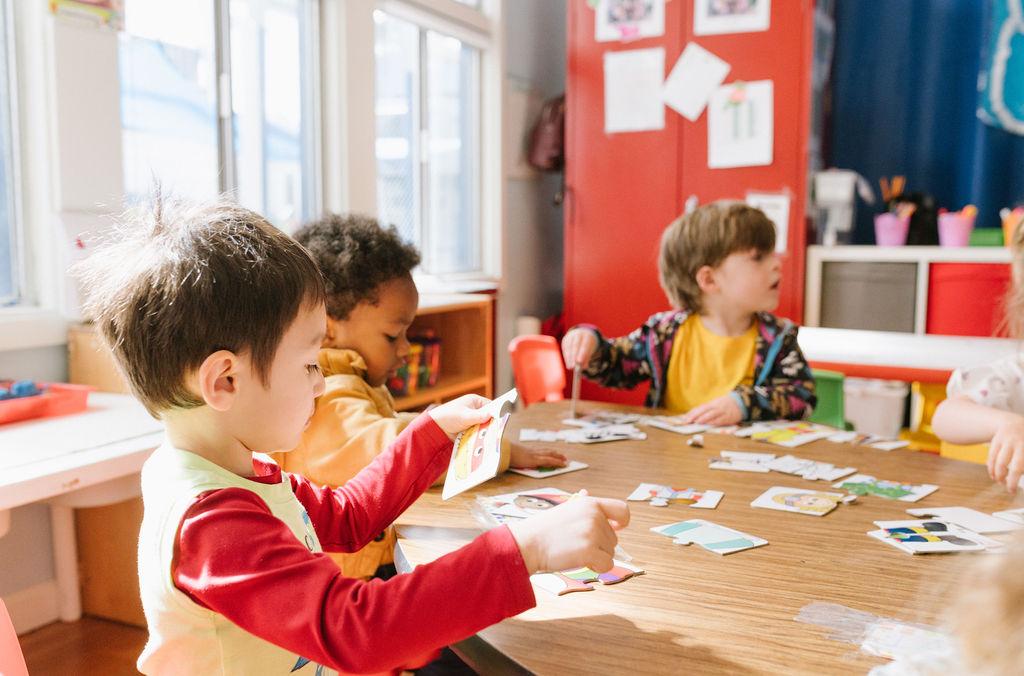
Working with others requires flexibility, patience, and cooperation. Preschool classrooms provide countless opportunities for children to practice these skills through play, projects, and daily routines.
Children learn how to share resources, negotiate disagreements, and work toward common goals. These experiences help them understand that challenges can often be solved through communication and teamwork. Over time, they become more capable of handling conflicts and adapting to different situations.
These problem-solving abilities extend well beyond social interactions. Children who can collaborate effectively often approach academic challenges with greater persistence and resilience. They are accustomed to working through obstacles rather than becoming discouraged by them.
Academic Success Depends on More Than Academics
Research and classroom experience consistently show that social and emotional skills contribute to school success. Children who can regulate their emotions, communicate effectively, and build positive relationships are often better equipped to engage with learning throughout their school years.
This does not diminish the importance of academic instruction. Rather, it highlights how closely social and academic development are connected. A child who feels secure, confident, and supported is more likely to participate fully in classroom experiences and take advantage of learning opportunities.
At Au Beau Sejour, social-emotional learning is woven into everyday experiences. Through small class sizes, guided interactions, and a supportive classroom community, children develop the communication, empathy, and cooperation skills that support both personal growth and academic achievement. These early experiences help create a strong foundation that children can build upon for years to come.