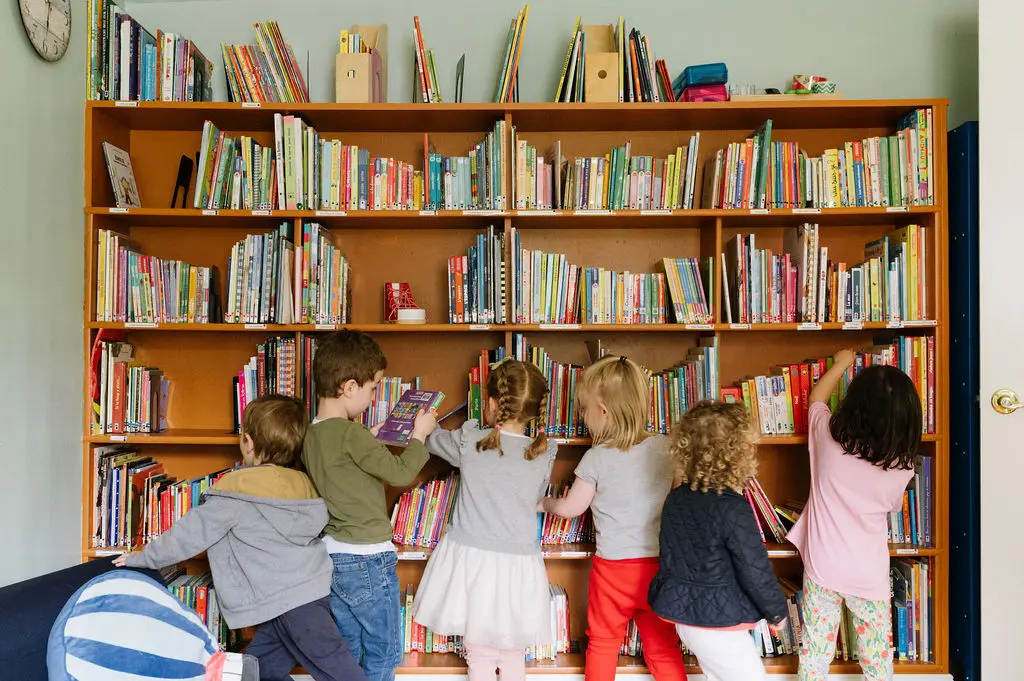
There’s a moment you can sometimes catch in a preschool classroom. A child hears something in French, pauses, looks around, and then responds. Maybe not perfectly. Maybe just a word, or even a gesture paired with a word. But something has clicked. It’s small, but it’s real. You can almost see the gears turning.
That’s the bilingual spark.
At age 3, children are not just learning language. They are building the systems that make language possible. When they’re exposed to a second language early, especially through immersion, those systems grow in a way that’s both natural and surprisingly powerful.
Why Age 3 Is Such a Unique Window
By the time children reach preschool, their brains are already tuned to absorb sound, pattern, and meaning. But they haven’t yet become rigid in how they use language. They’re still experimenting. This is what makes early language learning different from learning later in life. A 3-year-old doesn’t sit down and study vocabulary. They listen, repeat, and connect words to actions and emotions.
In a French immersion preschool, this happens constantly. A teacher gives instructions. A song repeats the same phrase. A story introduces new words tied to images and feelings. Over time, those patterns stick. What looks like play is actually bilingual brain development in motion.
The Brain Doesn’t Get Confused. It Gets Stronger.
One of the biggest misconceptions about early immersion is that children will become confused by two languages. In reality, the opposite tends to happen.
Young children are capable of building multiple language systems at once. Their brains don’t merge the languages into one tangled set of rules. Instead, they learn to navigate between them. That navigation is where the cognitive benefits begin.
Each time a child hears French at school and English at home, their brain is making decisions. Which sounds belong here? What does this word mean in this context? How do I respond? Those small, repeated shifts strengthen attention, memory, and flexibility. Over time, children become more comfortable adapting, switching, and processing information.
Learning Through Context, Not Pressure
At Au Beau Sejour French Preschool, immersion is not about drilling vocabulary or expecting immediate output. Children are not asked to perform before they’re ready. Instead, they’re surrounded by language.
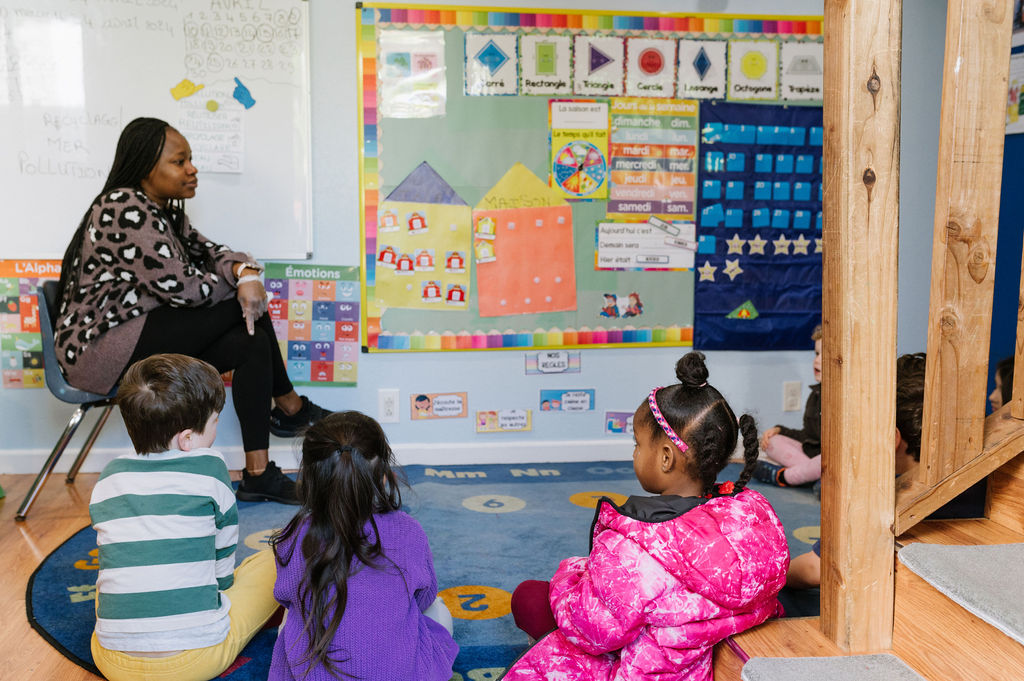
French is spoken throughout the day. It’s tied to routines, stories, songs, and play. Teachers repeat key phrases, use gestures, and create predictable structures so children can follow along even before they understand every word.
Most children go through a period of listening before speaking. That’s normal. It’s how language develops. Comprehension builds first, and expression follows when confidence is there. Because of this, children don’t experience immersion as pressure. They experience it as familiarity.
Why Immersion Builds More Than Language
When parents look into the benefits of French immersion preschool, they often focus on language outcomes. Will my child speak French? Will they retain it? Those are fair questions. But the impact goes further. Immersion strengthens how children approach learning itself.
They become attentive listeners because they need to understand context. This leads to more flexible thinking because they’re navigating meaning in different ways. Uncertainty is handled better because they don’t always know every word, and that’s okay.
These habits show up later in elementary school. Children who have experienced immersion often approach challenges differently. They’re less likely to shut down when something feels unfamiliar. They’ve already practiced working through confusion in a safe environment.
Confidence Comes From Repetition and Success
Confidence doesn’t come from being told you’re smart. It comes from doing something, again and again, until it feels familiar. In a well-designed immersion classroom, repetition is built into the day. Not in a rigid way, but in a way that feels natural. These routines slowly build independence and confidence.
The same phrases come up during circle time. The same vocabulary appears in stories, in play, and in daily routines. Over time, children begin to recognize patterns. Then something shifts. They begin responding and start using language on their own terms. That moment, when a child realizes they understand and can contribute, is when confidence takes root.
The Spark That Carries Forward
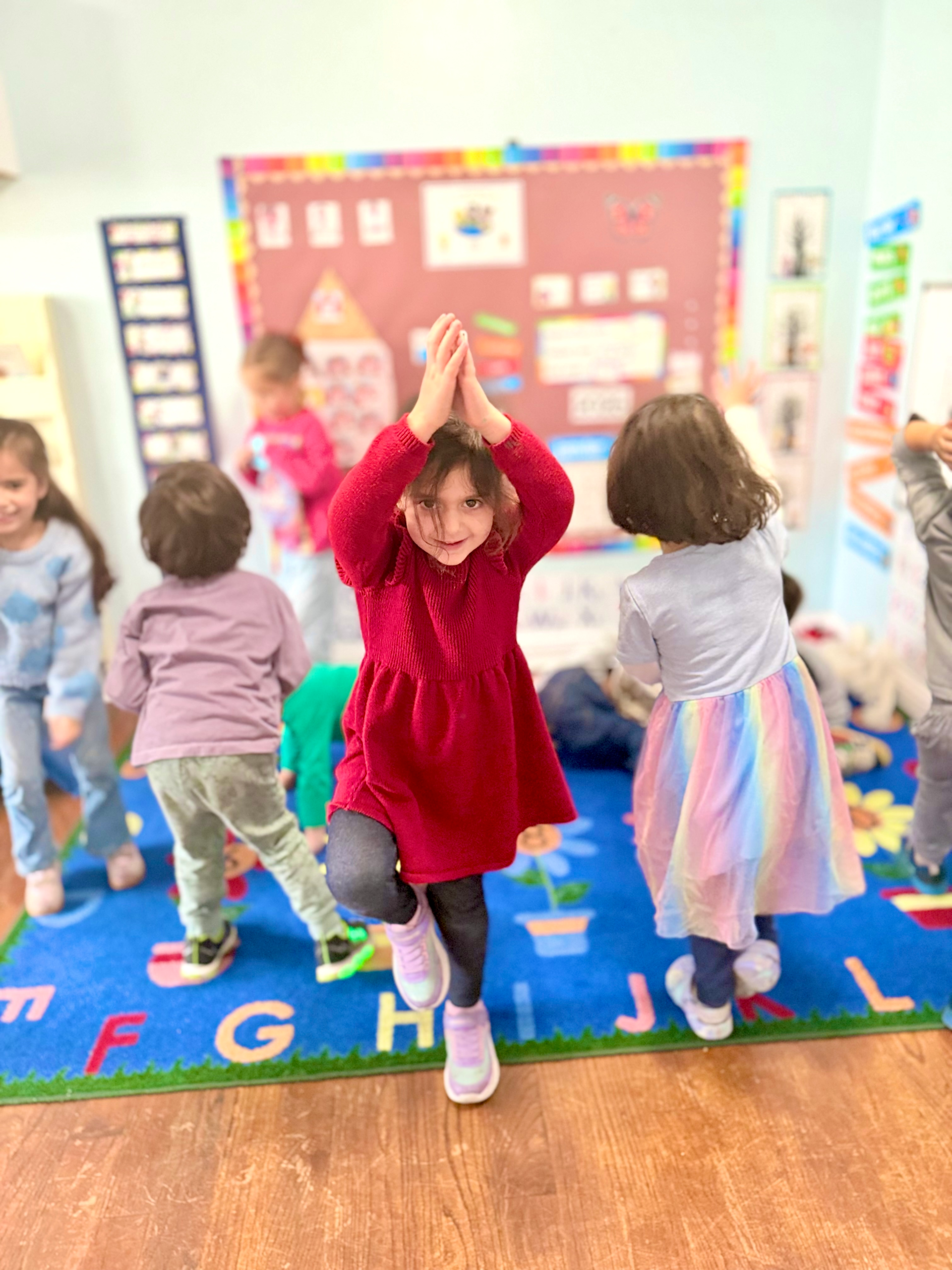
The real value of early immersion isn’t just that children learn French. It’s that they learn how to learn. They become comfortable navigating new situations, they build patience with themselves, and they develop the ability to listen closely and respond thoughtfully.
It shows up in small moments at first. A word used correctly. A phrase repeated from a story. A response that comes without hesitation. But over time, it becomes something bigger. A child who believes they can figure things out on their own.
Early childhood is a short window, but it shapes a long journey. The environments children experience at age 3 influence how they see themselves as learners. At Au Beau Sejour French Preschool, French immersion is not about pushing children ahead. It’s about working with how their brains are already wired. Through consistent exposure, supportive teaching, and a calm, structured environment, children build both language and confidence.
And sometimes, if you’re watching closely, you can see the moment it all starts to click.