For many young children, preschool is the first time they regularly step into a group setting outside of their home. It is a shift that brings new routines, new relationships, and new expectations. While this transition can feel big at first, it also opens the door to something important. Children begin to understand what it means to be part of a community.
In a thoughtfully designed preschool environment, that sense of community does not happen by accident. It is built through daily interactions, shared experiences, and consistent guidance. Preschool community learning helps children move from thinking only about their own needs to recognizing how they fit into a group. Over time, this awareness becomes a foundation for both social and emotional growth.
A Sense of Belonging Starts Early
Feeling like they belong is one of the most important experiences a child can have in a classroom. When children feel accepted and included, they are more likely to participate, communicate, and engage with others. This sense of belonging creates a level of comfort that allows them to focus on learning rather than uncertainty.
In preschool, belonging often begins with simple, consistent moments. Being greeted by name, having a familiar spot in the classroom, and seeing the same teachers and classmates each day all contribute to that feeling. These experiences help children understand that they are a valued part of the group.
As that sense of belonging grows, children become more willing to express themselves. They share ideas, join activities, and form early friendships. This is a key part of social-emotional learning in preschool, as it helps children build confidence and independence while learning how to connect with others.
Learning to Cooperate with Others
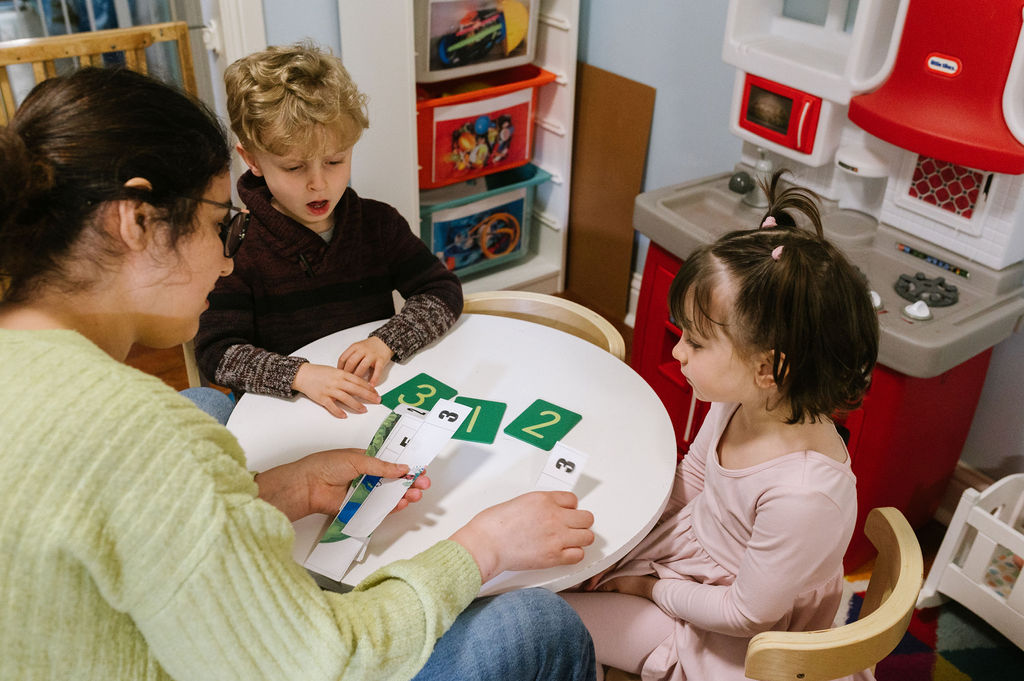
Cooperation is not something young children naturally know how to do. It is a skill that develops over time through guided practice and repeated experiences. In a preschool setting, children are given regular opportunities to work together, whether they are building something, participating in group activities, or sharing materials.
These moments teach children how to take turns, listen to others, and find solutions when conflicts arise. They begin to understand that their actions affect the people around them. With support from teachers, children learn how to navigate these interactions in a way that feels fair and respectful.
Over time, cooperation becomes more natural. Children start to anticipate the needs of others and adjust their behavior accordingly. This shift from individual focus to group awareness is a meaningful step in early development.
Responsibility Takes Shape in Small Ways
Being part of a community also means understanding responsibility. In preschool, this does not involve large or complicated tasks. Instead, it shows up in small, everyday actions that help children feel capable and connected to their environment.
Children might help clean up after an activity, return materials to their proper place, or assist a classmate. These routines give them a sense of ownership over their space. They begin to see that their contributions matter, even in simple ways.
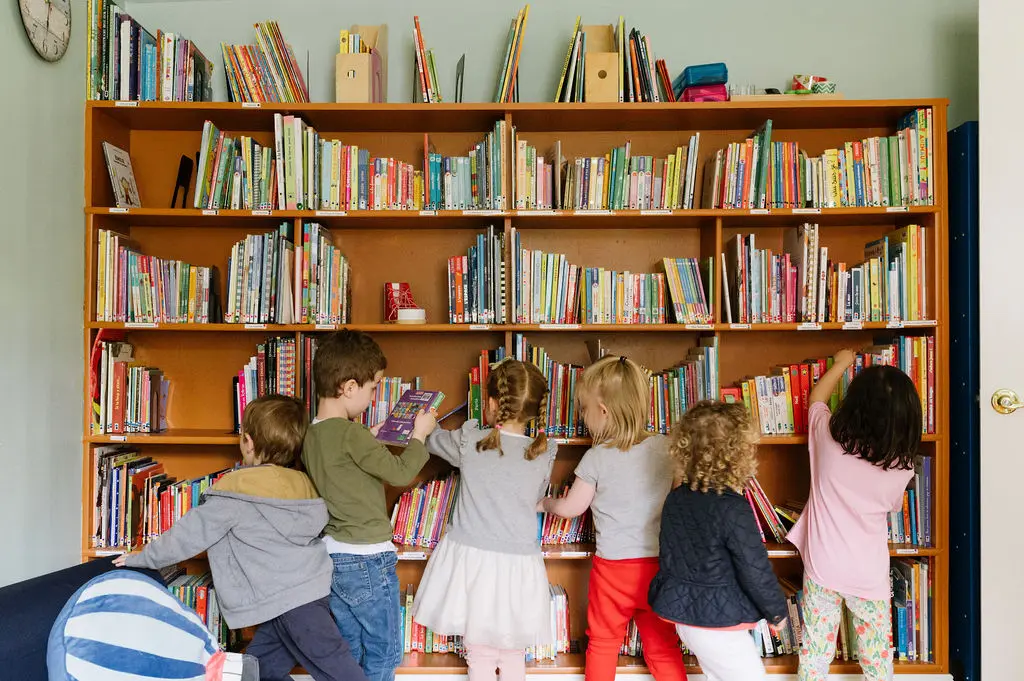
In our MS program, responsibility becomes even more meaningful through classroom roles that help students feel connected to their environment. Children may help turn off lights, organize the classroom library, set up materials for activities, or assist in keeping the room tidy. These age-appropriate responsibilities encourage independence while helping children understand that they play an important role in their classroom community.
These early experiences with responsibility also support independence. When children are trusted to take part in maintaining their classroom, they develop confidence in their abilities. They start to see themselves as active participants rather than passive observers.
Social Emotional Skills Grow Through Interaction
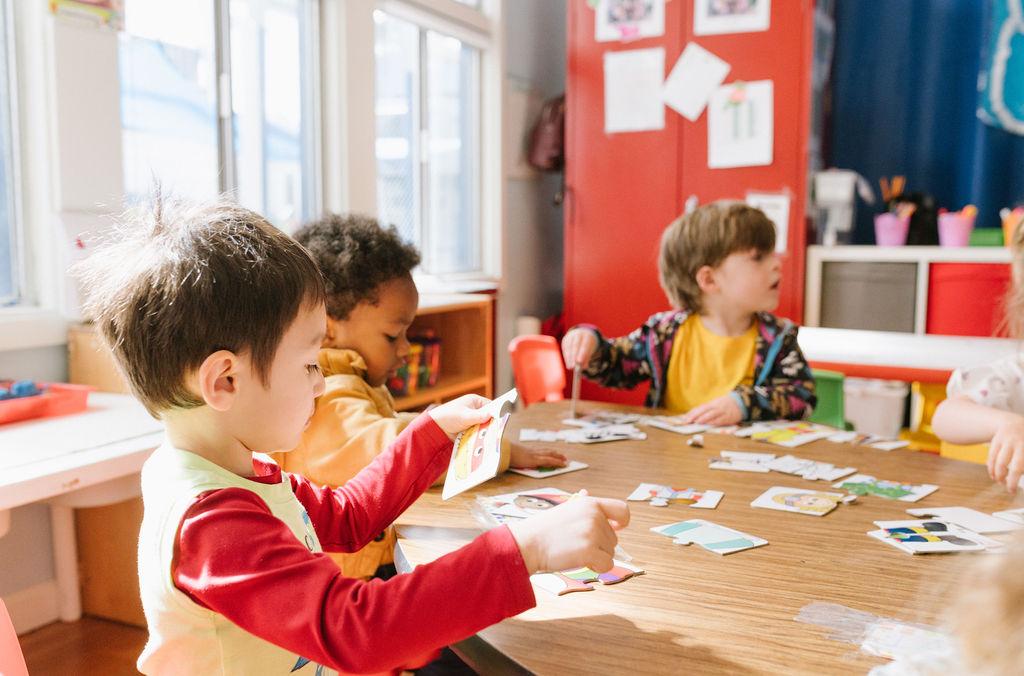
Preschool is filled with opportunities for children to practice social-emotional skills in real time. Each interaction, whether positive or challenging, becomes a learning experience. Children begin to recognize their own emotions and respond to the emotions of others.
Teachers play an important role in guiding these moments. They help children put words to their feelings, work through disagreements, and understand different perspectives. This kind of support helps children develop empathy and communication skills that will continue to grow over time.
In a consistent and supportive environment, children learn that it is okay to make mistakes and try again. They begin to approach social situations with more confidence, knowing they have the tools to navigate them.
Why Community Matters in Early Childhood
The experience of being part of a community shapes how children see themselves and others. It helps them understand that they are connected to a group and that their actions have meaning within that group. These early lessons carry into future school experiences and relationships.
Preschool community learning creates a space where children can build these skills in a way that feels natural and supported. Through shared routines, cooperative activities, and guided interactions, children develop a deeper understanding of belonging, responsibility, and connection.
At Au Beau Sejour, this sense of community is an essential part of the classroom experience. Small group settings, consistent routines, and attentive teachers create an environment where children feel included and supported. As they grow, they not only build friendships but also develop the social and emotional skills that help them thrive in any setting.