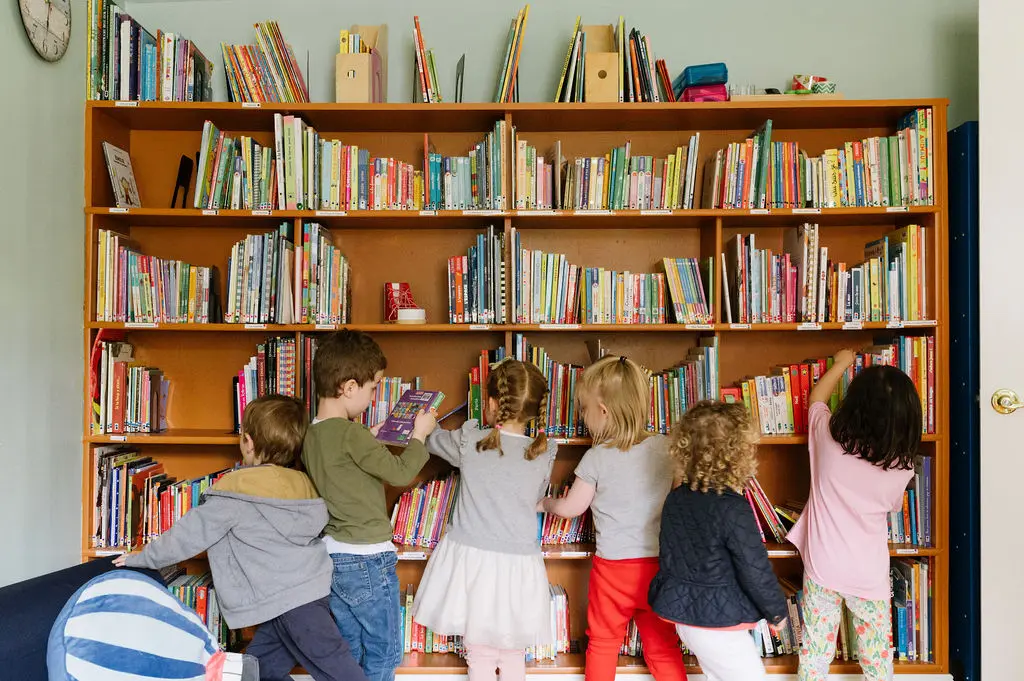
The first day of preschool is an exciting milestone for both children and parents. It marks the beginning of new friendships, new experiences, and countless opportunities for growth. At the same time, it is completely normal for everyone involved to feel a mix of excitement and nervousness. For many children, this may be the first time they have spent several hours away from their family in a new environment.
The good news is that children are remarkably adaptable when they feel supported. A little preparation at home can go a long way toward helping your child approach their first day with confidence. By creating predictable routines, talking openly about what to expect, and making goodbyes simple and reassuring, families can help make the transition into preschool much smoother.
Explain What to Expect and Answer Questions Honestly
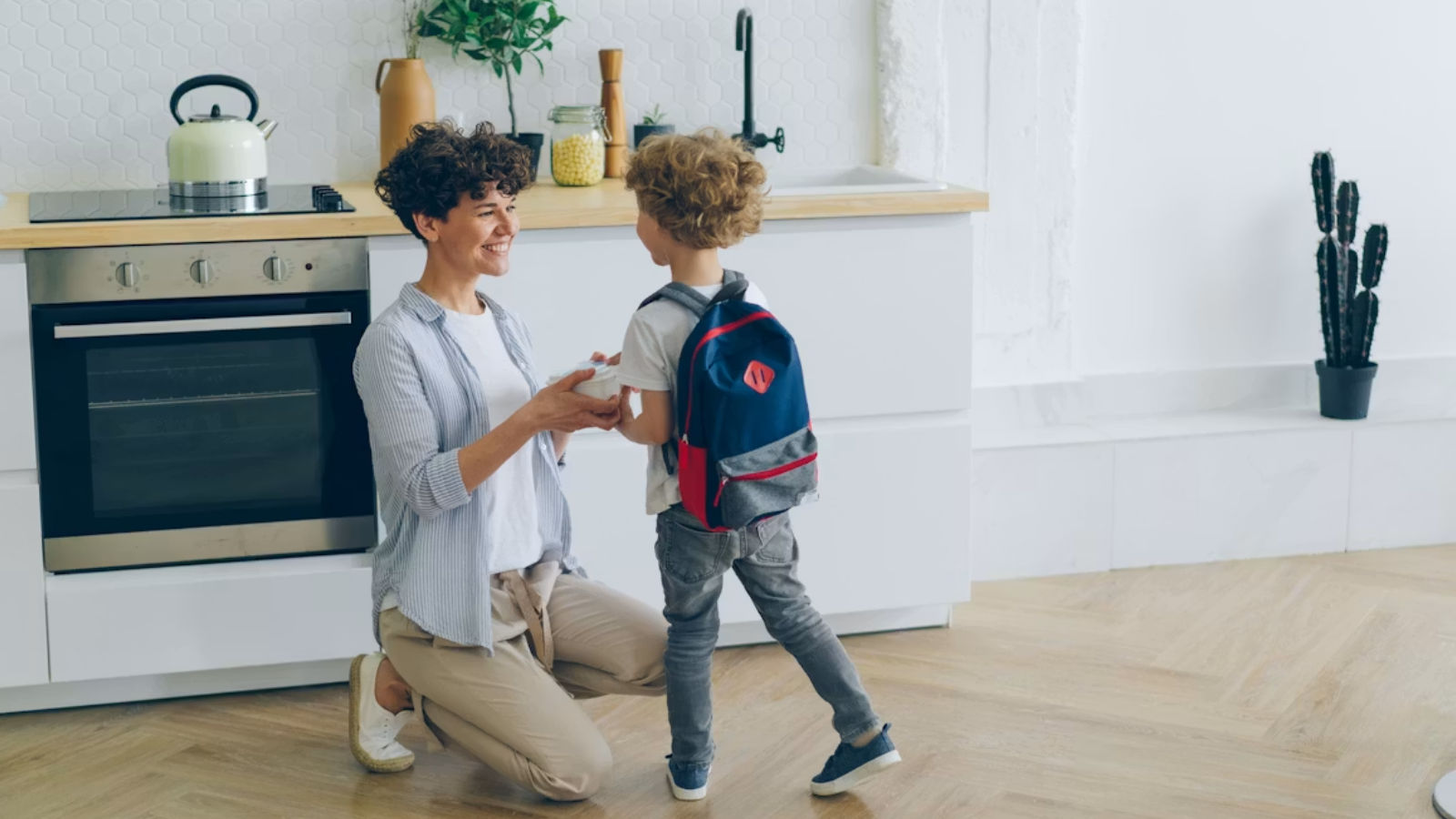
Children are naturally curious, especially when something new is about to happen. Talking about preschool ahead of time helps replace uncertainty with familiarity. Explain what a typical day might include, such as playing with classmates, listening to stories, eating lunch, spending time outdoors, and participating in creative activities.
As your child asks questions, answer them honestly using simple, reassuring language. If they wonder whether you will come back, let them know exactly when you will return. If they ask whether they might feel nervous, acknowledge that it is okay to have those feelings. Honest conversations help build trust and show children that their emotions are valid.
If possible, connect preschool to experiences your child already enjoys. You might compare it to a favorite playdate, a trip to the park, or story time at the library. Familiar references can make the experience feel much less intimidating.
Let Your Excitement Reassure Your Child
Children often look to the adults around them to understand how they should feel about a new situation. If parents appear calm and excited, children are more likely to approach preschool with confidence.
That does not mean pretending that everything will be perfect. Instead, focus on the positive experiences your child is about to have. Talk about making new friends, exploring interesting activities, and meeting caring teachers who are excited to get to know them.
Your confidence becomes part of theirs.
Create School Night and Morning Routines
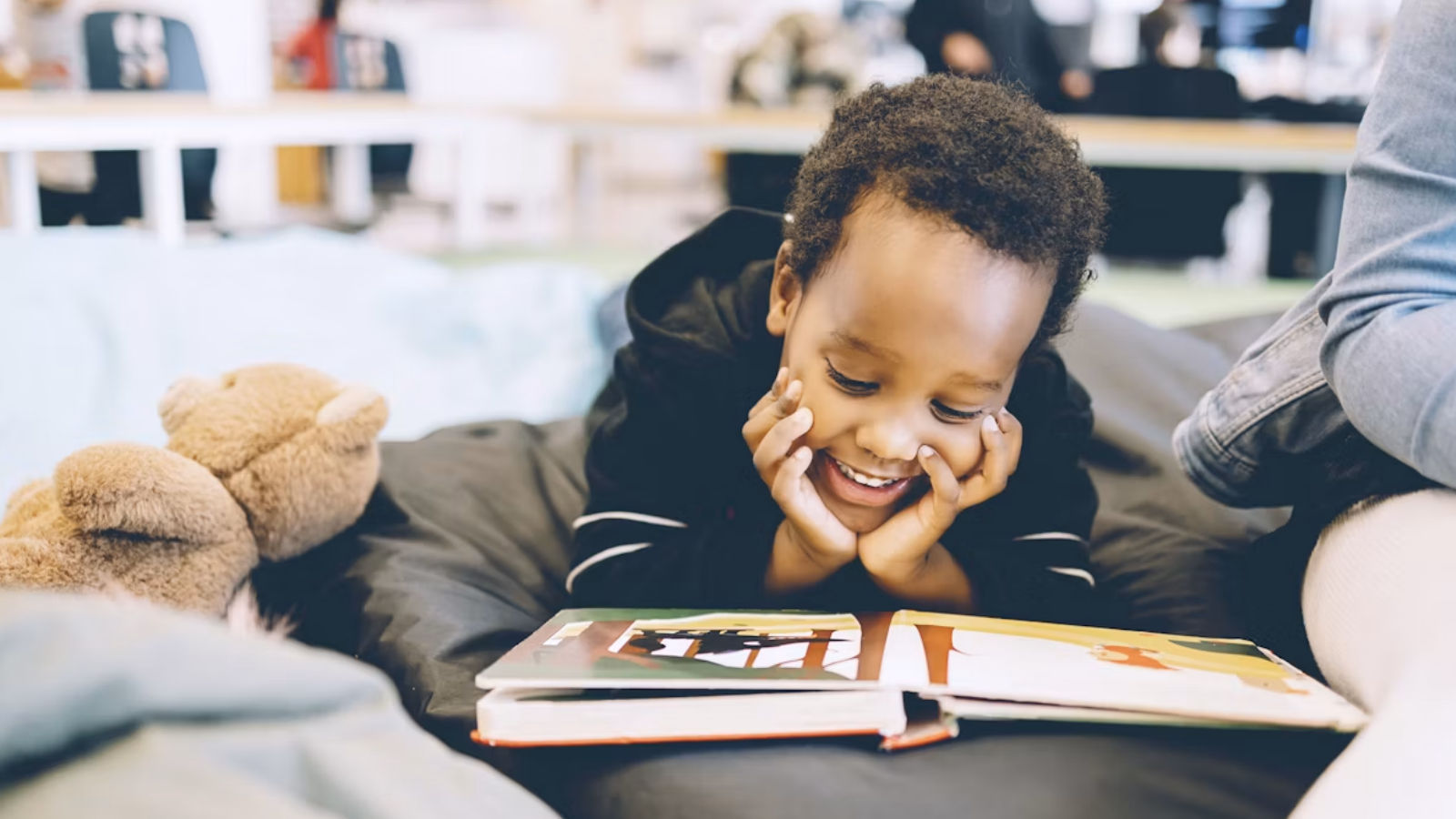
Predictable routines help children feel secure because they know what comes next. Establishing consistent bedtime and morning routines before preschool begins can make those first few weeks feel much more manageable.
A simple routine might include laying out clothes the night before, eating breakfast together, brushing teeth, and leaving home at the same time each morning. These familiar patterns reduce last-minute stress and allow children to begin each day feeling prepared.
Consistency also helps children adjust more quickly to the preschool schedule. When mornings become predictable, children can spend more energy enjoying the classroom instead of adapting to unexpected changes.
Pack a Comfort Item for Rest Time
Rest time can feel unfamiliar during the first few weeks of preschool, especially for children who are used to sleeping at home. Bringing a comfort item can make this part of the day feel more familiar.
Depending on your preschool’s guidelines, a favorite blanket, stuffed animal, or even a small family photo may provide reassurance during quiet time. These familiar items help children feel connected to home while they settle into their new routine.
As children grow more comfortable in their classroom, many naturally become less dependent on these comfort items. During the transition, however, they can provide valuable emotional support.
Keep Goodbyes Short, Clear, and Consistent
Saying goodbye is often the most emotional part of the first day, especially for parents. While it may be tempting to linger or return for one more hug, long goodbyes can make separation more difficult.
Instead, establish a simple goodbye routine before the first day arrives. A hug, a kiss, a cheerful goodbye, and a reminder that you will return after school gives your child a predictable ending to the drop-off process.
It is also important to avoid leaving without saying goodbye. Although slipping away may seem easier in the moment, children can become more anxious if they suddenly realize their parent has disappeared. A clear goodbye helps build trust because your child learns that when you say you are leaving, you also keep your promise to come back.
The First Day Is Only the Beginning
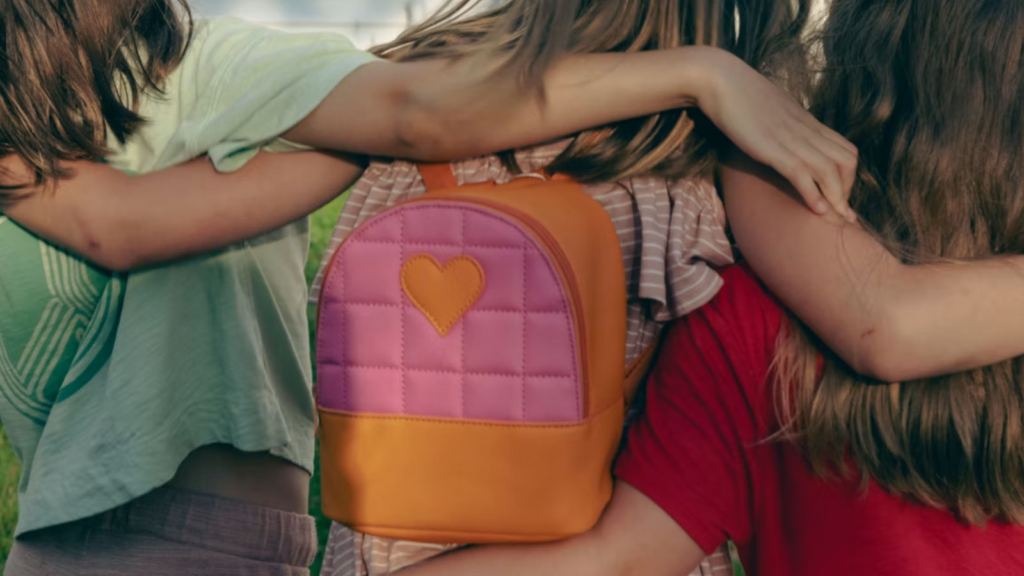
Every child adjusts to preschool at their own pace. Some are ready to jump into activities immediately, while others need a little more time to become comfortable. Both experiences are completely normal, and teachers are experienced in helping children navigate this important transition.
Research from the American Academy of Pediatrics also emphasizes that predictable routines and supportive relationships help children develop confidence during new experiences. Parents can read more about school readiness and healthy routines through the AAP’s HealthyChildren resource.
At Au Beau Sejour, children are welcomed into a nurturing French immersion environment where consistent routines, caring teachers, and engaging activities help them feel safe from the very first day. With encouragement from both home and school, children quickly begin building the confidence that allows them to learn, explore, and enjoy their preschool experience.