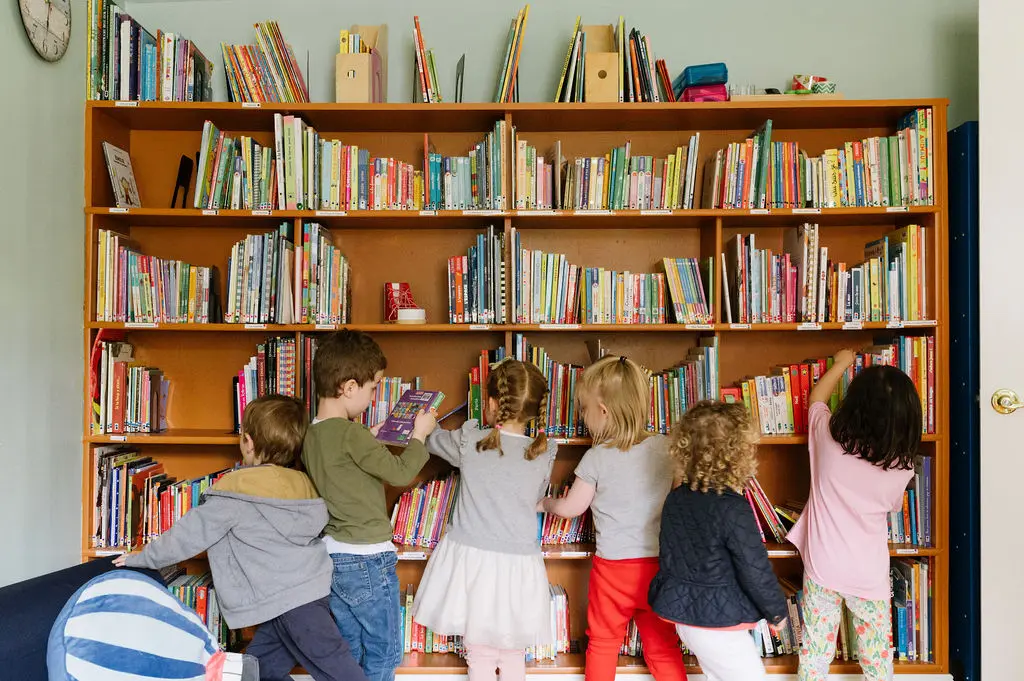
Parents naturally want to help when their child is frustrated. Whether a tower keeps falling over, a toy is out of reach, or another child wants the same book, the instinct is often to step in with a quick solution. While that response comes from a place of care, young children also benefit from having opportunities to work through challenges themselves.
A high-quality preschool creates those opportunities every day. Teachers certainly provide support, but they also know when to pause, ask a question, or give children a little extra time to think. Instead of solving every problem immediately, they help children build the skills needed to solve problems independently. Those moments may only last a few minutes, but they help shape confidence, resilience, and decision-making for years to come.
Learning Begins with Everyday Challenges
Problem-solving in preschool rarely looks like a formal lesson. It happens naturally throughout the day, often in situations that adults might consider ordinary.
A child may be trying to fit pieces into a puzzle, decide how to build a bridge with blocks, or figure out how to share markers during an art project. Each situation asks children to observe what is happening, consider possible solutions, and decide what to try next.
Teachers recognize that these small moments are valuable. Rather than rushing children toward the “right” answer, they create space for experimentation and encourage children to keep trying. Sometimes the lesson is not finding the perfect solution. It is learning that there is usually more than one way to approach a challenge.
Teachers Guide Instead of Taking Over
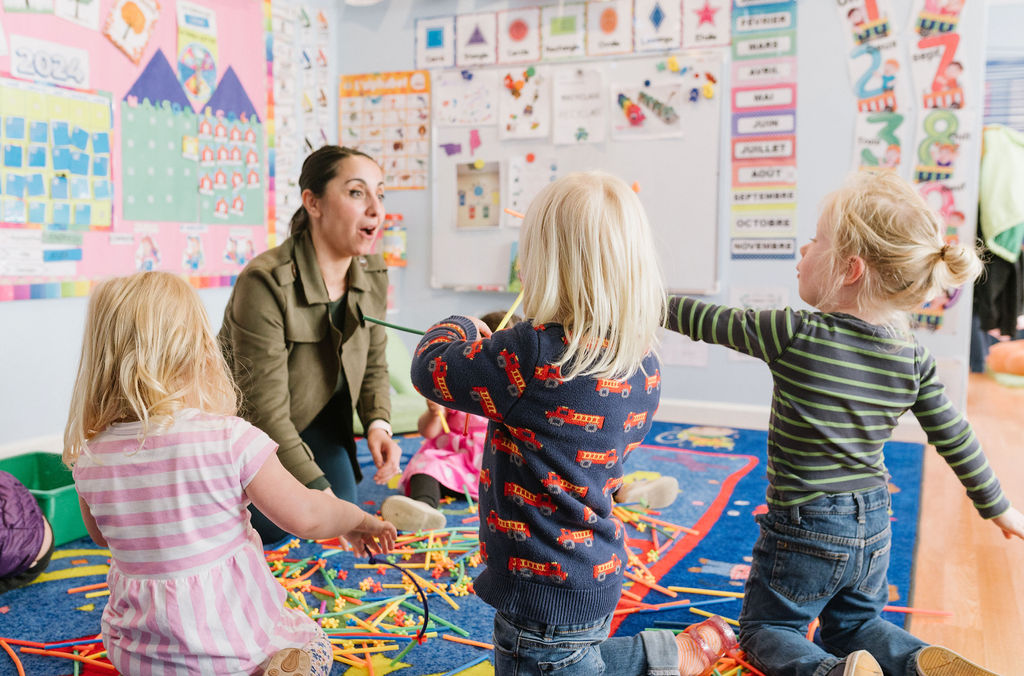
One of the biggest differences between helping and solving is the role the adult plays.
Instead of immediately stepping in, preschool teachers get them to focus by asking questions like, “What do you think you could try?” or “How could we make this work?” These prompts encourage children to think through a situation before relying on someone else for the answer.
That guidance might include:
- Encouraging children to explain the problem in their own words.
- Asking them to think of two or three possible solutions.
- Helping them consider how another child might feel.
- Giving them time to test an idea before offering additional support.
- Celebrating persistence, even if the first attempt does not work.
Children begin to see themselves as capable thinkers rather than passive participants waiting for directions.
Conflict Becomes a Chance to Practice Social Skills
Disagreements are inevitable whenever young children spend time together. Two classmates may want the same toy, disagree about the rules of a game, or have different ideas about how to complete a project. While these situations can be frustrating, they also create valuable learning opportunities.
Teachers use these moments to strengthen preschool social skills by helping children communicate, listen, and compromise. Rather than deciding who is right or wrong, they guide children through conversations that encourage cooperation and empathy.
Over time, children become more comfortable expressing their needs respectfully while also considering the perspectives of others. Those are skills they will continue using long after preschool.
Independence Grows One Decision at a Time
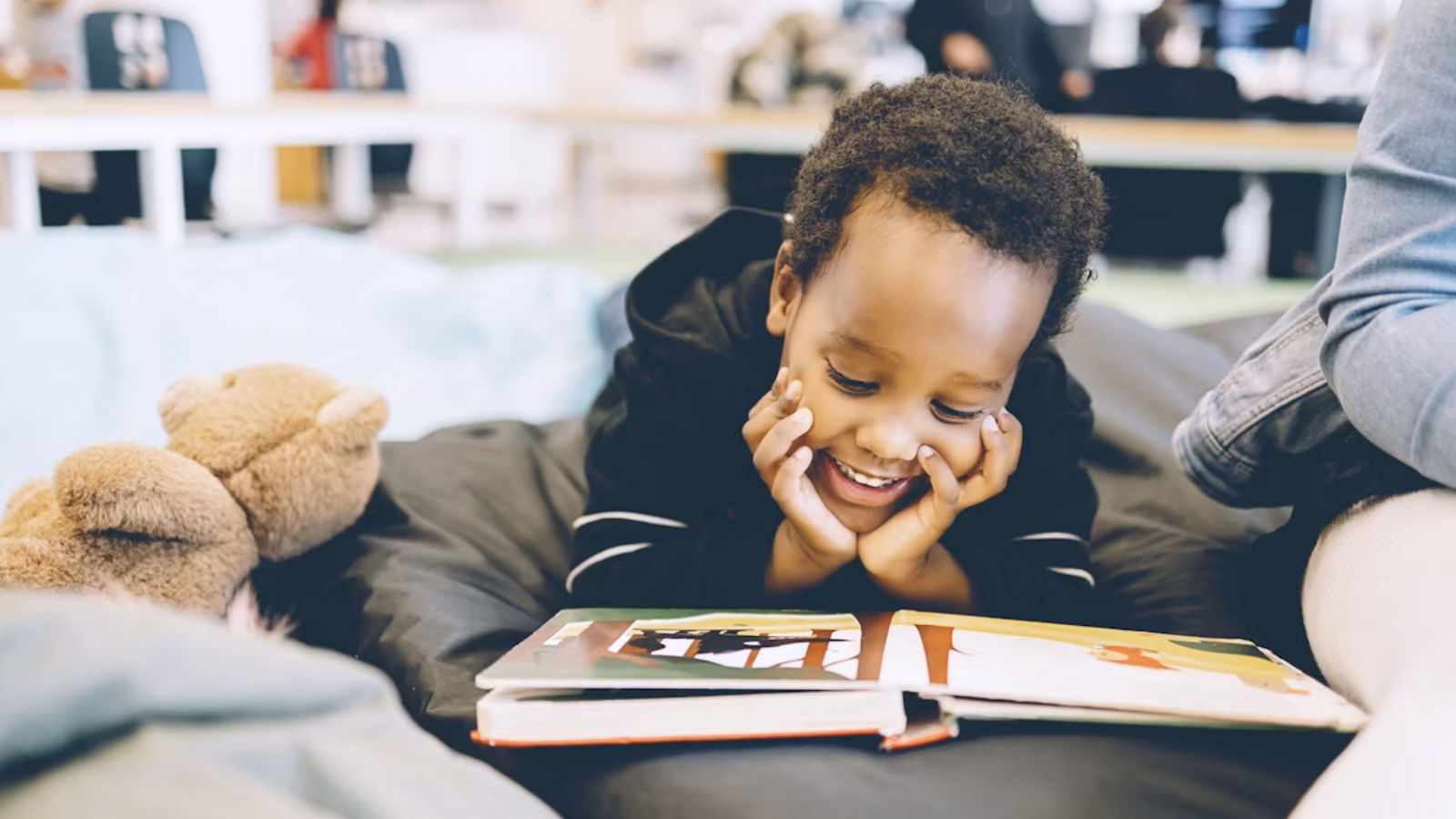
Many parents associate child independence with practical skills such as putting on shoes or cleaning up toys. Those are certainly important, but independence also includes learning to make decisions and trust your own thinking.
When children are encouraged to solve age-appropriate problems, they begin developing confidence in their judgment. They realize they can make choices, evaluate the results, and adjust when something does not work.
This growing confidence often appears in unexpected ways. A child who once waited for an adult to answer every question may begin trying a solution first. Another may volunteer to help a classmate who is facing a similar challenge because they remember working through it themselves.
Building Confidence That Lasts Beyond Preschool
Problem-solving is a skill children continue developing throughout elementary school and well into adulthood. The foundation, however, often begins during the preschool years when children are given the freedom to think, experiment, and learn from everyday experiences in a supportive environment.
Research from the National Association for the Education of Young Children (NAEYC) emphasizes that children develop stronger thinking skills when adults provide guidance while encouraging active exploration and decision-making rather than supplying every answer.
At Au Beau Sejour, teachers thoughtfully balance support with independence. Through play, collaborative activities, and everyday classroom experiences, children are encouraged to ask questions, work through challenges, and build confidence in their own abilities. Those daily opportunities help children become resilient learners who are ready to approach new situations with curiosity rather than hesitation.