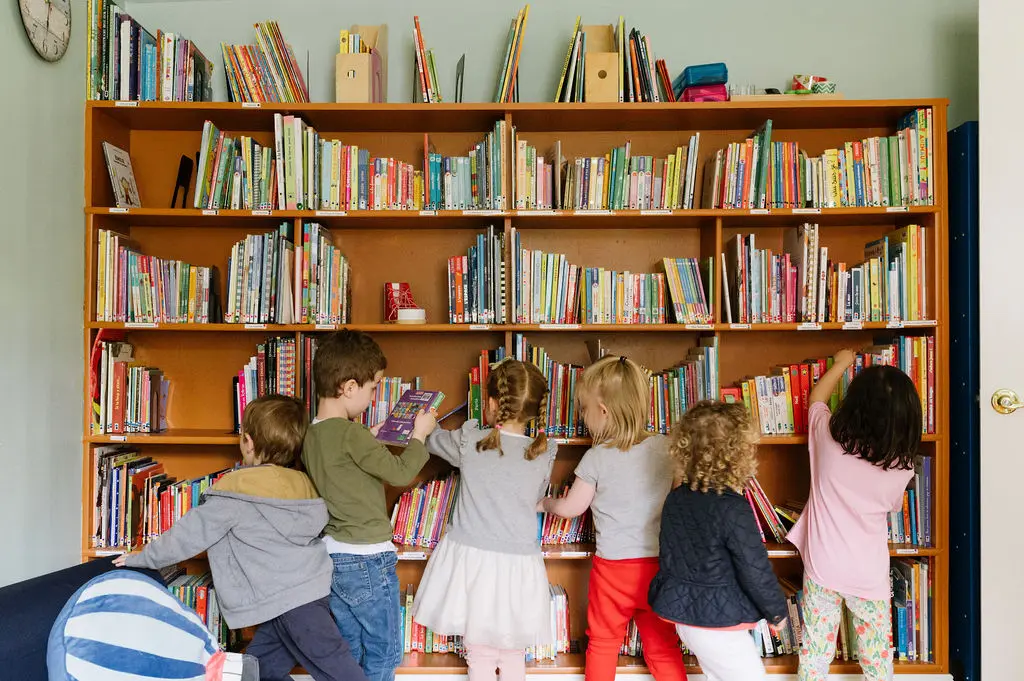
Many parents have watched a young child bounce from one activity to the next in a matter of minutes and wondered whether focus is something that can actually be taught. The answer is yes, but probably not in the way many people imagine. Attention and concentration are developmental skills that grow over time, supported by the right environment, experiences, and guidance.
In early childhood development, the goal is not to expect young children to sit still for long periods. Instead, preschool teachers help children build the ability to engage with activities, follow directions, and return their attention when distractions arise. Through thoughtful routines, movement, and age-appropriate learning experiences, children develop the focus that will support them as they move into elementary school and beyond.
Predictable Routines Reduce Mental Overload

One of the most effective ways to support an attention span in early education is through consistency. When children know what to expect throughout the day, they spend less energy trying to understand what comes next. That mental energy can then be directed toward learning and participation.
Daily routines create a sense of structure that helps children feel secure. Whether it is morning arrival, story time, outdoor play, or lunch, familiar patterns allow children to transition more smoothly between activities. Over time, these routines become automatic, reducing stress and helping children stay engaged.
Teachers also use routines to reinforce expectations. When children repeatedly practice listening, cleaning up, or gathering for group activities, those behaviors become easier to manage. As a result, children can focus on the activity itself rather than the logistics surrounding it.
Movement Plays an Important Role in Focus
Young children are not designed to spend hours sitting still. Physical movement is a natural part of how they learn and process information. Rather than viewing movement as a distraction, effective preschool programs use it as a tool to support concentration.
Movement breaks, outdoor play, music activities, and hands-on learning opportunities give children a chance to release energy and reset their attention. After moving their bodies, many children find it easier to participate in quieter activities that require listening or problem-solving.
This balance between play-based learning and calm experiences is especially important in preschool environments. Children are given opportunities to engage physically and mentally throughout the day, helping them build focus in a way that feels natural and developmentally appropriate.
Guided Activities Strengthen Attention Over Time

Focus develops gradually, much like any other skill. Preschool teachers support this growth by introducing activities that encourage children to stay engaged for increasing periods of time.
Story time is one example. Listening to a book requires children to follow a sequence, pay attention to details, and process language. Art projects, building activities, and group games provide similar opportunities to practice sustained attention while remaining enjoyable and interactive.
Teachers also understand that young children need support as they learn these skills. They may break tasks into smaller steps, offer gentle reminders, or ask questions that help children re-engage with the activity. These strategies help children experience success while gradually increasing their ability to concentrate.
Why Focus Matters Beyond Preschool
Attention and concentration affect nearly every aspect of learning. Children use these skills when listening to instructions, participating in discussions, solving problems, and working independently. Strong focus supports academic growth, but it also contributes to confidence and persistence.
The good news is that attention is not something children either have or do not have. It develops through practice, repetition, and supportive experiences. A child who struggles to focus for a few minutes today may be capable of much longer periods of engagement as they grow and gain experience.
At Au Beau Sejour, teachers support this process through consistent routines, purposeful movement, and engaging learning experiences. Small class sizes allow educators to provide individualized guidance while helping children build the attention and self-regulation skills that prepare them for future success. By nurturing focus in age-appropriate ways, preschool becomes an important stepping stone in a child’s overall development.