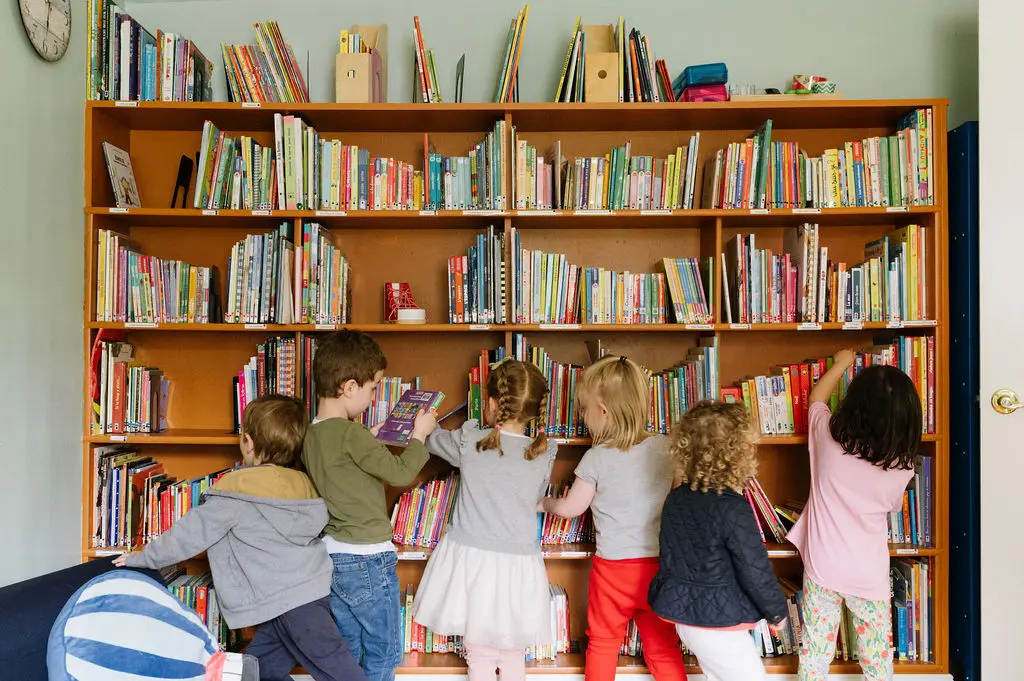
The most obvious benefit of a French immersion preschool is right there in the name. Children spend their days hearing, understanding, and eventually communicating in French. For many families, that early exposure to another language is a major reason for choosing immersion in the first place.
But watch children learning in another language and you begin to see other skills developing alongside their vocabulary. They encounter words they don’t immediately recognize, look for clues, try different ways to communicate, and keep participating even when they aren’t completely certain of themselves. Those everyday experiences can help nurture adaptability, persistence, problem-solving, and confidence.
The benefits of French immersion can therefore reach well beyond learning to speak French.
Children Become Comfortable With Not Knowing Every Answer
Imagine a child hears an unfamiliar French instruction during an art project. They recognize a few words but aren’t completely sure what the teacher means. They might watch the demonstration, look at what classmates are doing, notice a gesture, or connect the phrase with something they have heard before. Finding the answer requires attention and a willingness to work with incomplete information.
Teachers support children throughout this process, so they aren’t expected to figure everything out alone. At the same time, children have room to make connections for themselves. Over time, unfamiliarity can become less intimidating because they have successfully navigated it many times before.
That experience can be useful in any classroom. New math concepts, unfamiliar books, science experiments, and challenging projects all require children to spend some time working through things they don’t immediately understand.
Communication Becomes an Exercise in Problem-Solving

Young children are motivated communicators. When they want to tell a teacher something, join a game, or ask for an object, they usually look for a way to get their message across.
In a French immersion preschool, that sometimes requires a little creativity. Children may combine a familiar French word with a gesture, point to something, rephrase an idea, or use clues from the conversation to understand what someone else means.
Those interactions give children regular opportunities to practice several useful habits:
- paying attention to context
- trying another approach when the first doesn’t work
- observing other people’s reactions
- asking for help when necessary
- staying engaged through moments of uncertainty
The language may be French, but the thinking skills involved have much broader applications.
Persistence Develops Through Small Successes
Language acquisition takes time. Children do not enter an immersion classroom one morning and leave speaking fluent French that afternoon. Their progress develops through repeated experiences that may initially seem very small.
A child recognizes a word that was unfamiliar last week. Later, they understand a classroom instruction without watching their classmates first. Eventually, they use a French phrase spontaneously during play.
Each success gives children evidence that effort and practice can produce results. This is especially valuable during early childhood, when children are developing their attitudes toward challenges and their own abilities. Learning becomes something they can grow into rather than something they are simply expected to know.
Using Another Language Can Strengthen a Child’s Sense of Capability
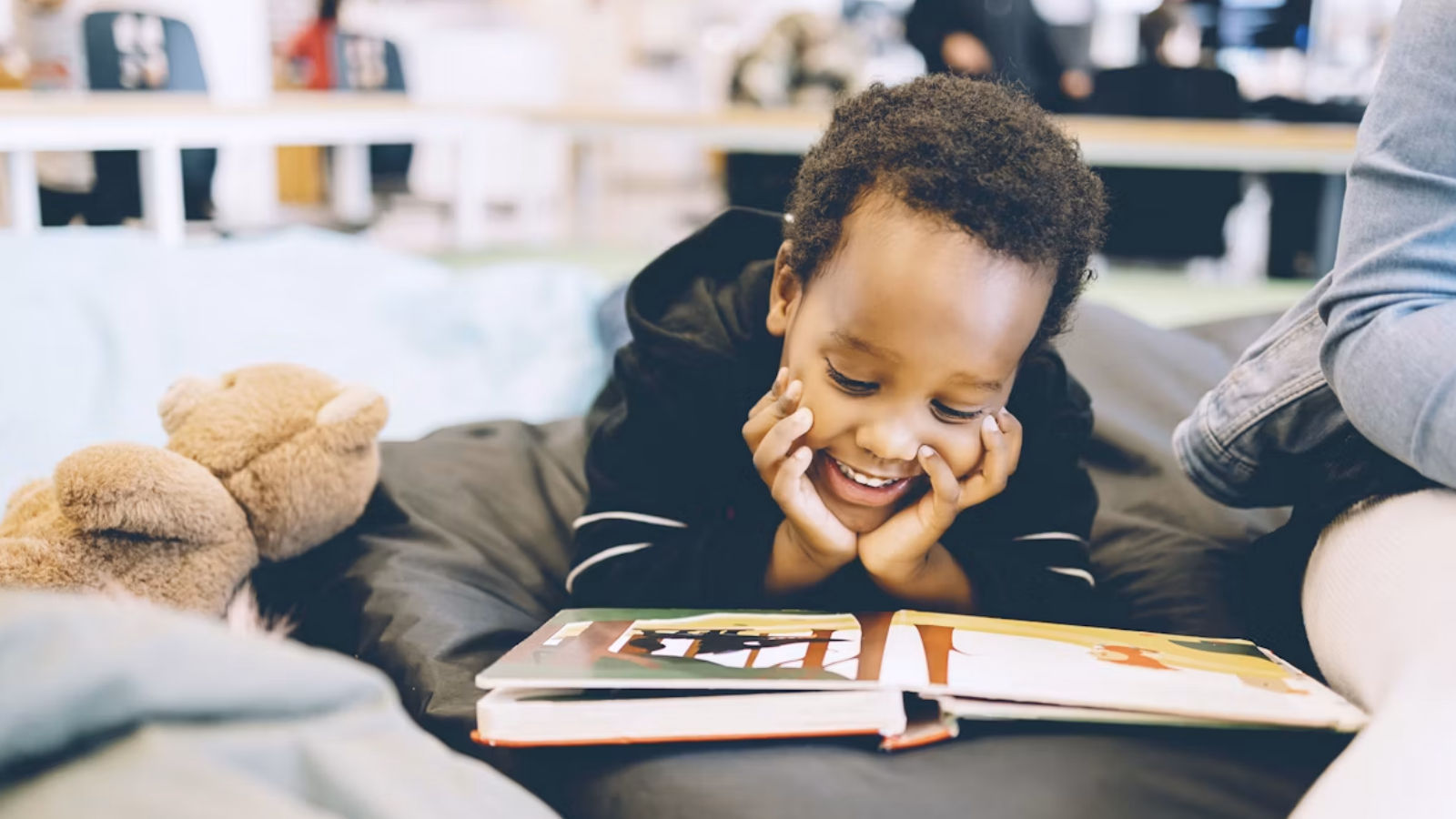
Confidence in preschool doesn’t always look like being the loudest child in the room. Sometimes it appears when a child attempts something unfamiliar without immediately asking an adult to do it for them.
French immersion creates many opportunities for this type of confidence. Children gradually realize that they can understand a story in another language, participate in a French song, respond to their teacher, and communicate ideas that once felt beyond their reach.
That sense of capability can carry into other experiences. A difficult puzzle or unfamiliar classroom activity is no longer their first encounter with something challenging. They have already spent considerable time practicing how to observe, attempt, adjust, and continue.
Bilingual Development Offers Children a Broader Experience With Language
Children growing up with more than one language also gain firsthand experience with the idea that there can be different ways to express the same thought. Words, sounds, sentence patterns, and cultural references can change depending on the language being used.
The American Academy of Pediatrics explains that children can successfully learn multiple languages and that multilingualism does not cause speech or language disorders. Children may develop their languages at different rates depending on how much exposure they receive, which is a normal part of bilingual child development.
For families considering immersion, this means children do not have to sacrifice healthy language development in order to gain experience with French. Consistent, meaningful exposure allows both language and confidence to grow over time.
Confidence Grows Through the Whole Preschool Experience
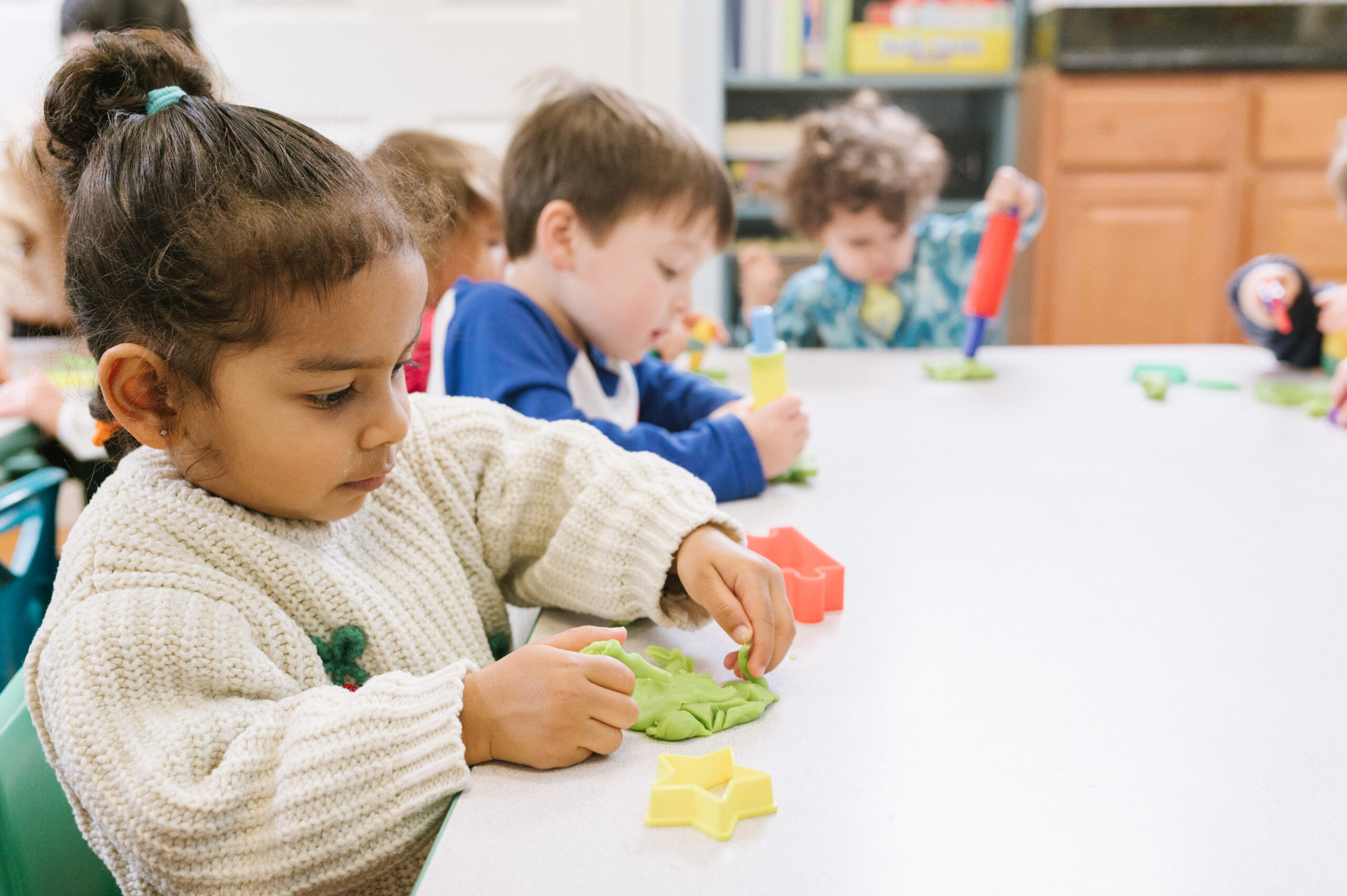
French immersion works within a much larger early childhood environment. Children are also building friendships, creating art, listening to stories, exploring early math concepts, developing independence, and learning how to participate in a classroom community.
French becomes another dimension of those experiences. A child isn’t practicing persistence solely during a language activity. They may be doing it while building with blocks and communicating with a classmate. Problem-solving can happen during outdoor play. Confidence might grow while singing a familiar French song in front of the group.
At Au Beau Sejour, children experience French throughout a supportive, play-based preschool day. Teachers provide the context and encouragement children need to understand a new language while giving them opportunities to explore, make choices, and work through challenges.
Becoming comfortable with French is an important achievement. Becoming comfortable with the process of tackling something new can be just as valuable.