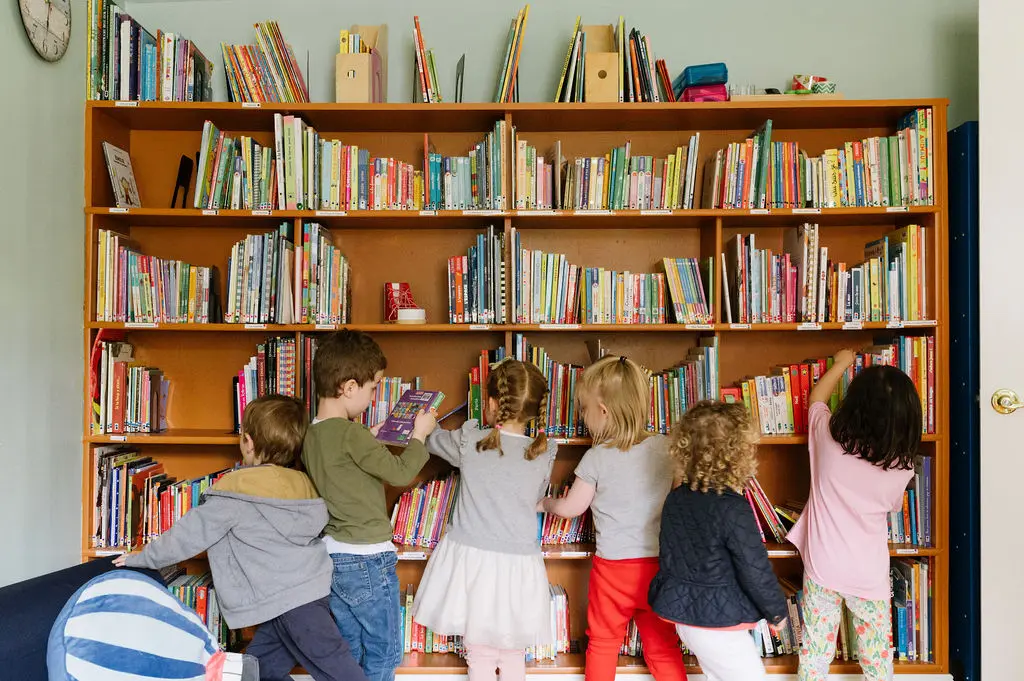
One of the biggest questions parents ask when choosing a preschool is surprisingly simple: What will my child’s day actually look like? It is easy to picture circle time or snack breaks, but many families wonder how everything fits together, especially in a French immersion preschool where another language is woven into the experience.
The answer is that the day looks remarkably familiar to young children. There are stories, songs, meals, outdoor play, creative projects, and plenty of opportunities to laugh with friends. The difference is that French becomes part of those everyday moments. Children hear the language naturally throughout the day, allowing it to become associated with routines, relationships, and meaningful experiences rather than isolated lessons.
The Morning Begins with Familiar Faces
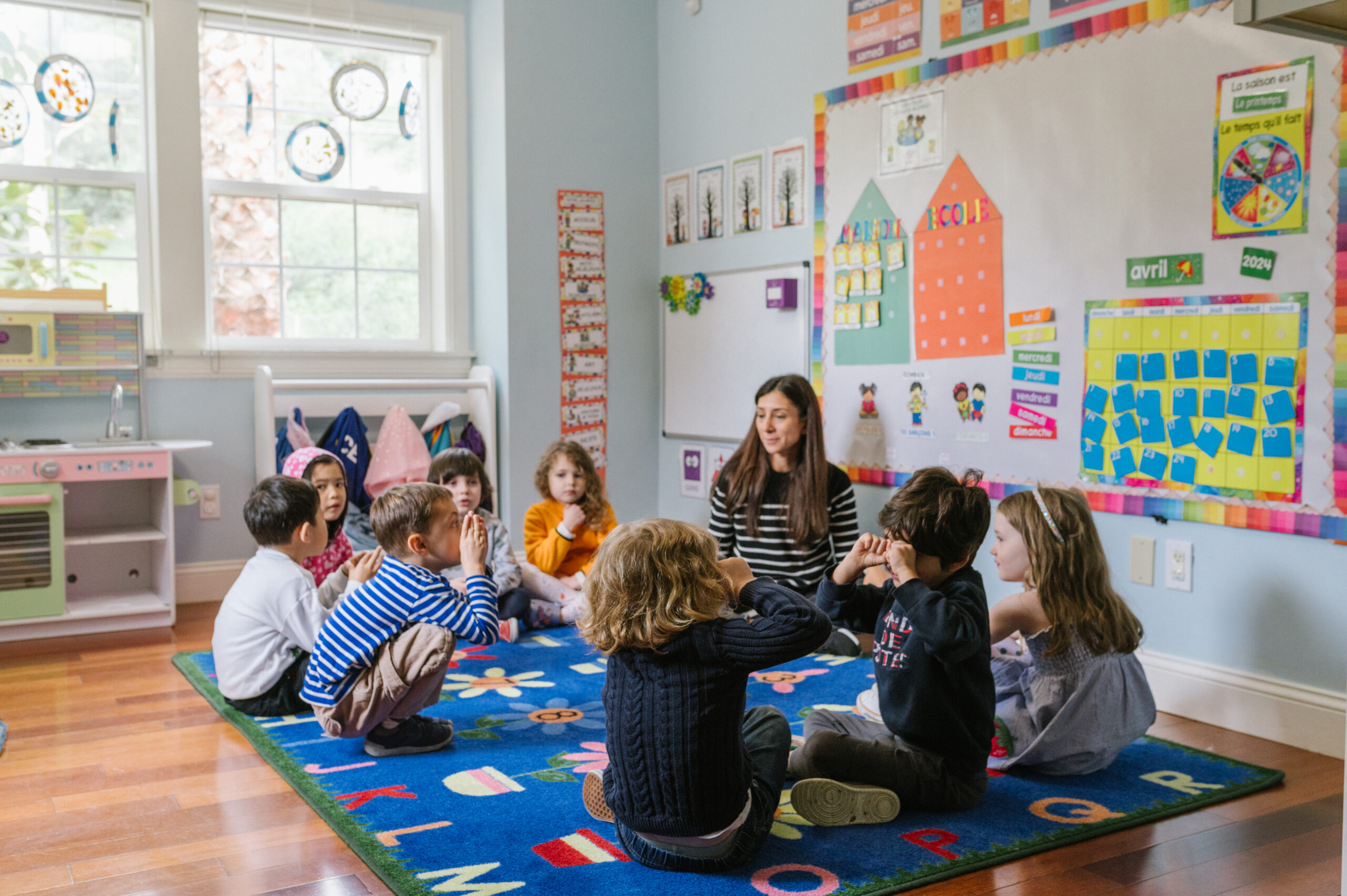
A smooth start helps set the tone for the rest of the day. As children arrive, they are greeted by teachers, welcomed into the classroom, and given time to settle into the environment. Some may choose a quiet activity, while others immediately join classmates in conversation or play.
These first moments are about more than easing the transition from home to school. They help children feel secure, establish a predictable rhythm, and prepare them for the day’s activities. Hearing familiar French greetings and classroom phrases quickly becomes part of that routine, making the language feel comfortable instead of intimidating.
The goal is not to ask children to translate every word. Instead, they begin connecting language with familiar experiences.
Learning Happens in Many Different Ways
A preschool classroom rarely looks the same for very long. Children move between activities that encourage curiosity, creativity, movement, and collaboration. Some experiences happen together as a class, while others take place in small groups or through independent exploration.
Throughout the day, children may spend time:
- Listening to stories and singing songs in French.
- Building with blocks or exploring hands-on materials.
- Creating art projects connected to classroom themes.
- Practicing early math and literacy concepts through games.
- Asking questions during science or nature activities.
- Engaging in dramatic play with classmates.
Each activity is designed to build different skills while keeping children actively involved in the learning process.
Transitions Become Learning Opportunities

Moving from one activity to another is an important part of every preschool day. Rather than viewing transitions as time between lessons, teachers use them as opportunities to reinforce routines, independence, and language.
Children might clean up together, line up for outdoor play, wash their hands before lunch, or gather for story time. These repeated moments help children understand expectations while giving them frequent exposure to familiar vocabulary and phrases.
Over time, children begin anticipating what comes next without needing constant reminders. That predictability builds confidence and helps the day flow smoothly.
Meals and Outdoor Play Are Part of the Curriculum
Some of the most valuable learning happens during moments that do not immediately look academic. Snack time and lunch encourage conversation, independence, and social connection. Children practice using polite language, making choices, and interacting with classmates in a relaxed setting.
Outdoor play provides another important balance. Running, climbing, digging, and exploring help children strengthen gross motor skills while giving them opportunities to solve problems, cooperate with friends, and engage with the natural world.
These parts of the day support healthy development just as much as activities that happen inside the classroom.
The Day Ends with Familiar Routines
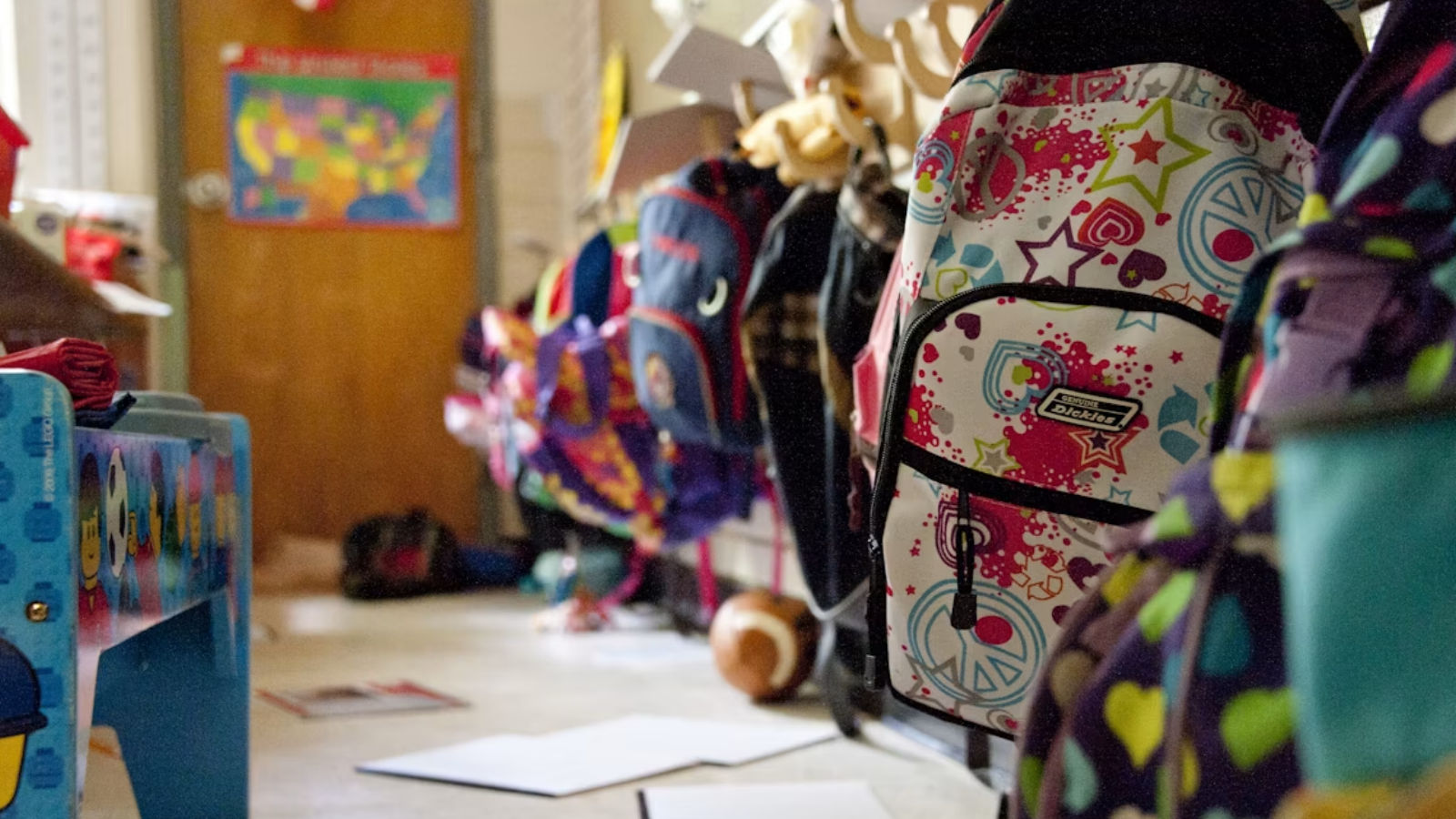
As the afternoon winds down, children often revisit the day’s experiences through stories, songs, conversations, or quiet activities before preparing to go home. This consistent ending helps children transition from school back to family life while reinforcing the routines that have guided the day.
Parents may hear about an art project, a favorite game, or a new French word that stood out. Other learning moments are less visible. A child who joined a group activity for the first time, solved a disagreement with a classmate, or followed a classroom routine independently has made meaningful progress, even if it is not reflected in something they bring home.
Each day adds another layer of confidence, curiosity, and connection.
At Au Beau Sejour, every part of the daily preschool schedule is thoughtfully planned to support children’s social, emotional, physical, and academic development. French immersion is not treated as a separate subject but as a natural part of everyday life. Through consistent routines, engaging activities, caring teachers, and meaningful interactions, children experience a school day that feels welcoming, predictable, and full of opportunities to grow. Schedule a tour with us and see first-hand how our school can work for you and your family.