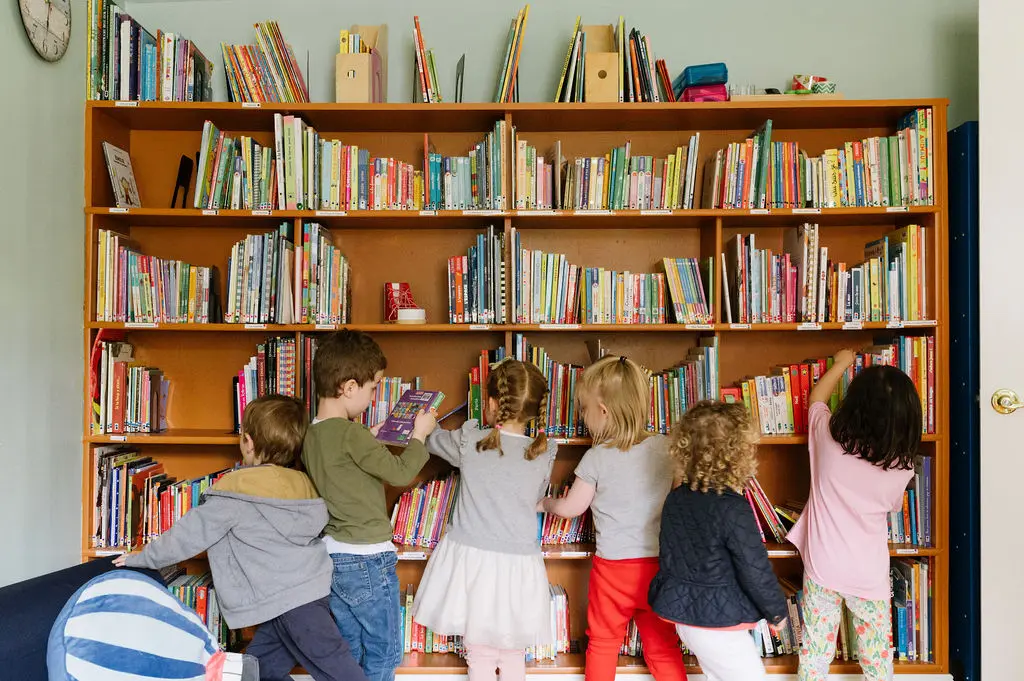
When parents picture academic learning, they often imagine children sitting at desks, practicing letters, completing worksheets, or listening to direct instruction. Seeing a preschool classroom filled with blocks, dramatic play areas, art supplies, and games can sometimes raise questions about how much learning is actually taking place. On the surface, it may look like children are simply having fun.
The reality is that play is one of the most powerful learning tools available during early childhood. Well-designed play experiences help children develop the foundational skills that support literacy, math, communication, and critical thinking. In many cases, the most meaningful learning happens when children are actively engaged, curious, and exploring ideas through hands-on experiences.
Play Builds the Foundation for Literacy
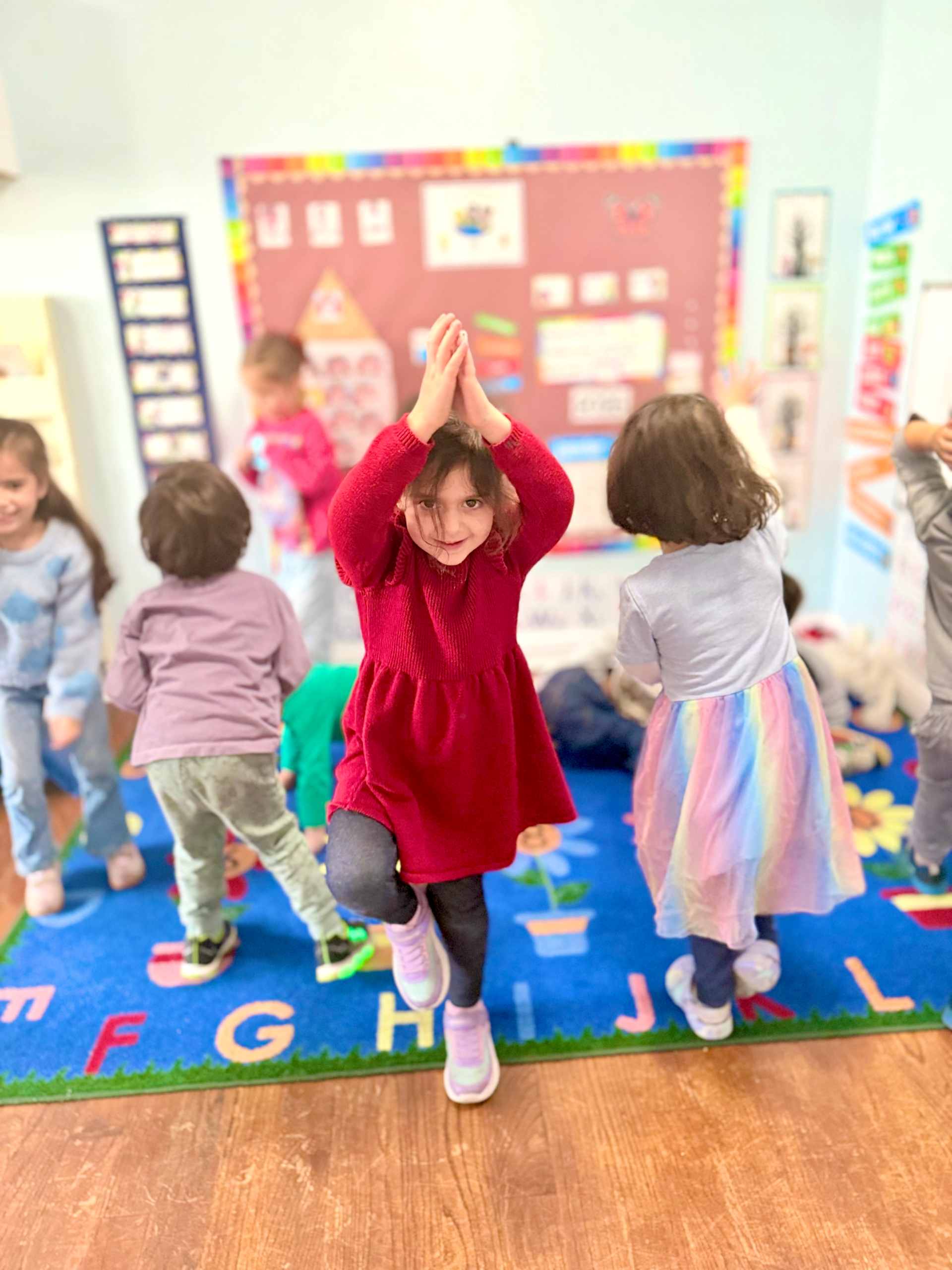
Language development is woven into nearly every form of play. Whether children are pretending to run a restaurant, building a city with blocks, or acting out a story with classmates, they are constantly using and expanding their vocabulary.
Play encourages conversation, listening, and storytelling. Children practice expressing ideas, asking questions, negotiating roles, and explaining what they are doing. These interactions strengthen communication skills that later support reading and writing.
Many preschool learning activities also introduce concepts that are closely tied to literacy development. Children learn how stories unfold, experiment with symbols and signs during pretend play, and develop an understanding of language through repeated social interactions. Long before formal reading instruction begins, these experiences are helping children build the skills that literacy depends on.
Math Happens Naturally Through Play
Math in preschool rarely looks like a traditional math lesson. Instead, mathematical thinking often emerges through activities that feel enjoyable and engaging. Children count objects, compare sizes, recognize patterns, sort materials, and explore spatial relationships while they play.
A simple block-building activity may involve measuring height, balancing structures, and understanding shapes. A pretend grocery store can introduce counting, categorization, and basic problem-solving. Even outdoor play creates opportunities to estimate distances, compare quantities, and identify patterns in the environment.
These experiences help children develop number sense and reasoning skills in a way that feels meaningful. Rather than memorizing concepts in isolation, they encounter math as a practical tool for understanding the world around them.
Problem-Solving Develops Through Exploration
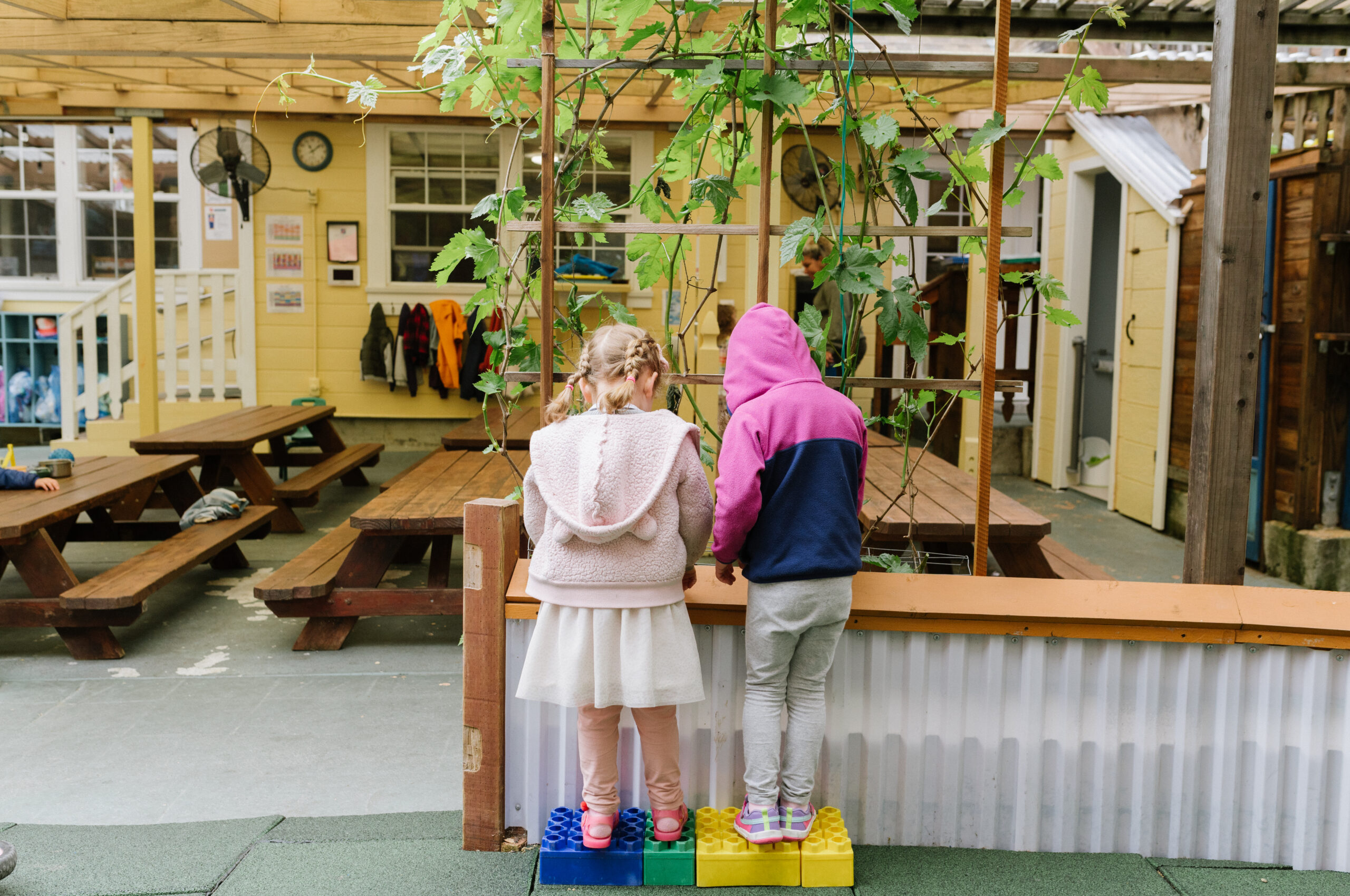
One of the greatest benefits of play-based learning in preschool is the opportunity it provides for problem-solving. Young children encounter challenges throughout the day, and play gives them a safe space to work through those challenges independently and collaboratively.
A child building a tower that repeatedly falls must evaluate what is happening and adjust their approach. A group of children deciding how to share materials must communicate and negotiate. These moments require observation, flexibility, and critical thinking.
Unlike activities that focus on a single correct answer, play often encourages experimentation. Children learn that mistakes are part of the process and that there can be multiple ways to solve a problem. This mindset supports resilience and helps children become more confident learners.
Play Strengthens Executive Function Skills
Executive function refers to a set of mental skills that help children manage attention, follow directions, remember information, and control impulses. These abilities are strongly connected to future academic success, and play provides regular opportunities to practice them.
During imaginative play, children must remember rules, stay focused on a shared scenario, and adapt when situations change. Games often require turn-taking, patience, and self-control. Group activities encourage children to listen, respond appropriately, and work toward common goals.
These experiences help children develop self-regulation and focus in a way that feels natural. Instead of practicing these skills through isolated exercises, they are strengthening them through meaningful interactions and engaging experiences.
Looking Beyond the Surface
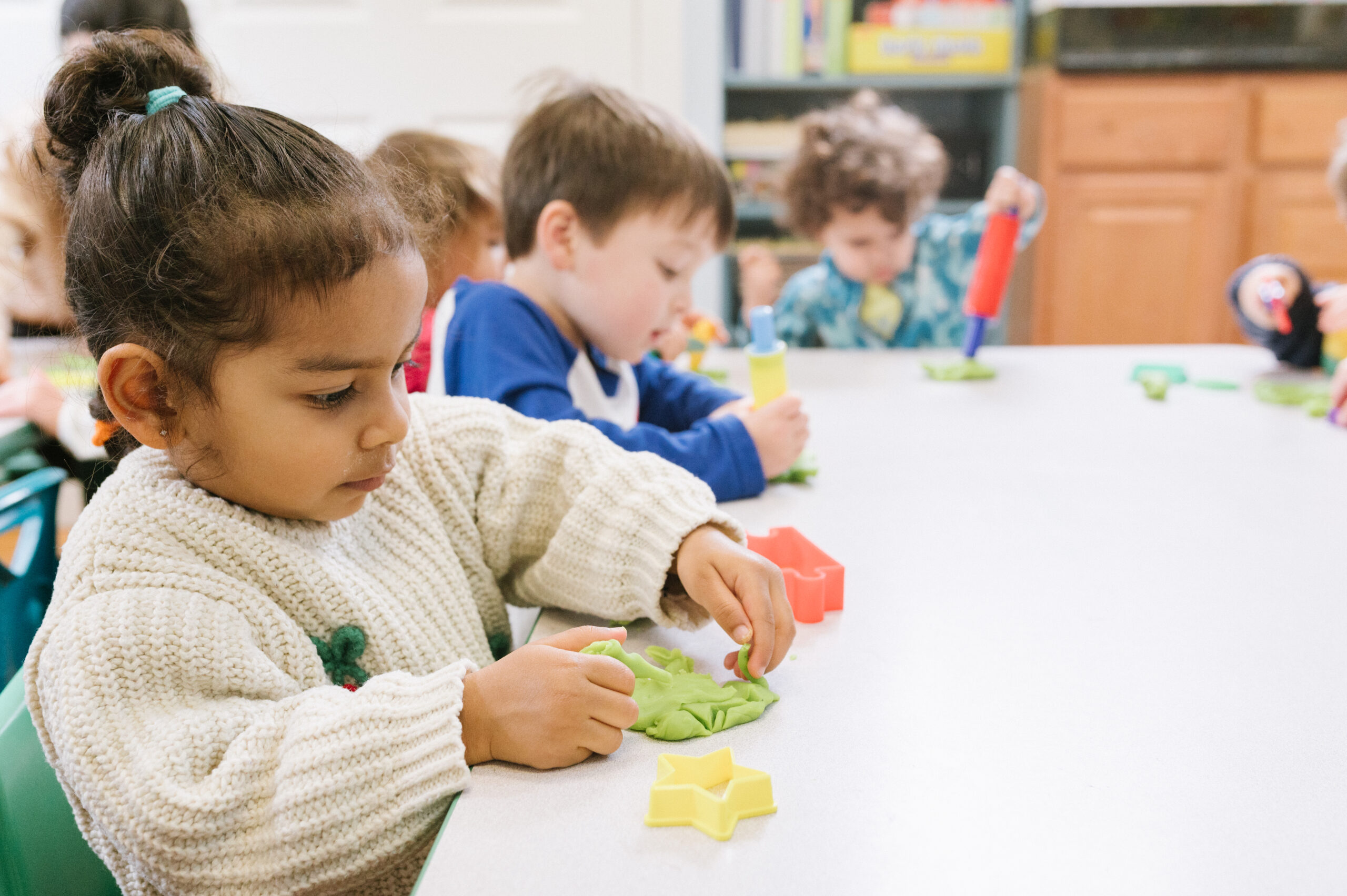
One reason play can be misunderstood is that much of the learning happens beneath the surface. Adults may see children pretending, building, drawing, or exploring. Teachers, however, often see language development, mathematical reasoning, social growth, and problem-solving happening simultaneously.
This doesn’t mean children are left entirely on their own. Quality preschool programs intentionally create environments where play supports specific developmental goals. Teachers guide conversations, introduce new ideas, ask thoughtful questions, and provide materials that encourage deeper exploration.
At Au Beau Sejour, play-based learning is viewed as an essential part of early education rather than a break from it. Through carefully designed preschool learning activities, children build the literacy, math, communication, and problem-solving skills that support long-term success. When learning is connected to curiosity and exploration, children develop a strong foundation that prepares them for future academic challenges while preserving the joy of discovery.