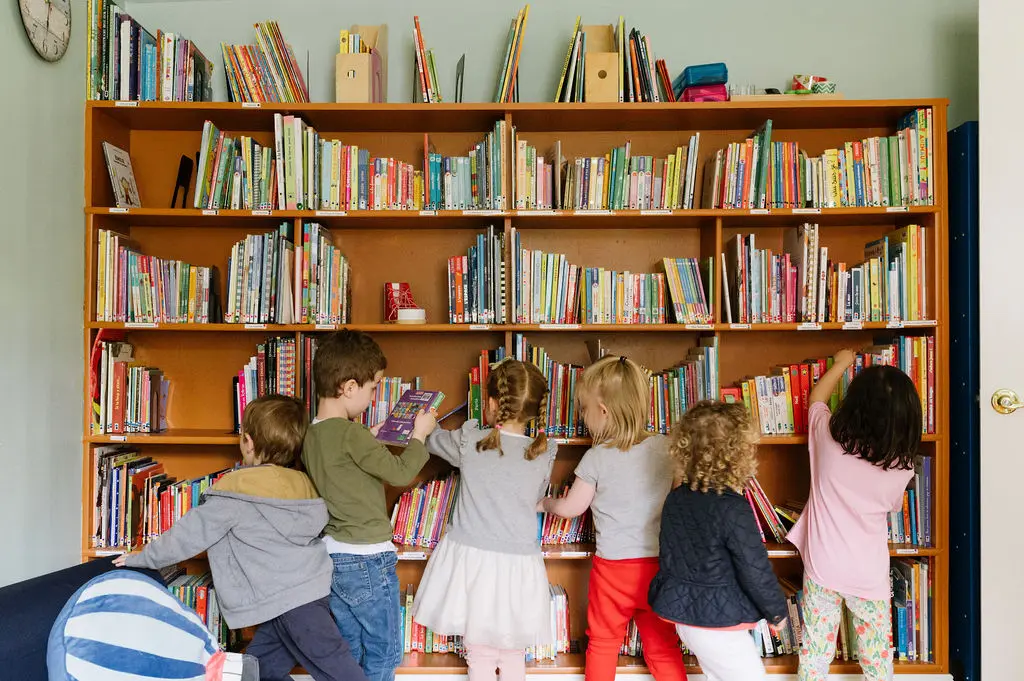
Many parents are intrigued by the idea of a French preschool but wonder if introducing a second language during the toddler years might be too much. Will their child become confused? Will learning French slow down their English? Is it better to wait until they are older?
These are common questions, and fortunately, decades of research on early childhood language development provides reassuring answers. Toddlers are naturally equipped to absorb language through everyday interactions. Rather than treating French as a separate subject, a quality French immersion preschool introduces it through songs, routines, play, stories, and conversations. Children learn the language the same way they learned their first one: by hearing it used in meaningful situations over time.
Toddlers Are Natural Language Learners
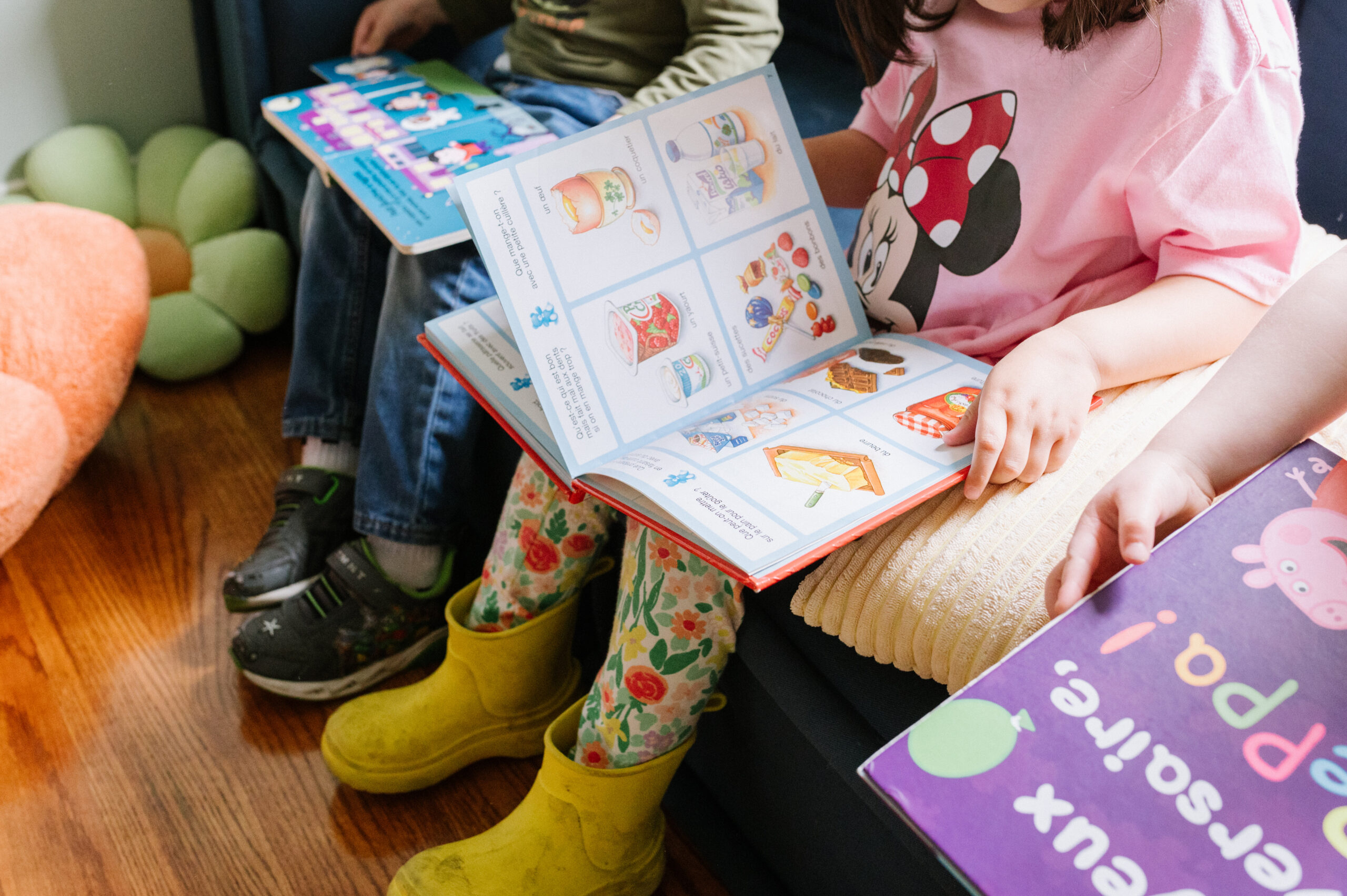
The toddler years are one of the most active periods of language development. During this stage, children are constantly listening, making connections, and experimenting with new words. Their brains are wired to recognize patterns in speech, making early childhood an ideal time to introduce another language.
A French immersion classroom takes advantage of this natural ability. Teachers do not expect toddlers to memorize vocabulary lists or translate between languages. Instead, they consistently pair words with actions, objects, songs, facial expressions, and routines.
A child quickly learns that “bonjour” is part of arriving at school or that a familiar song signals it’s time to clean up, not because someone explained it, but because they’ve experienced it repeatedly.
Learning Happens Through Everyday Moments
Parents sometimes imagine a language classroom where children sit quietly repeating words after a teacher. A toddler classroom looks very different.
French is woven into the experiences children are already enjoying each day, including:
- Morning greetings.
- Story time.
- Music and movement.
- Art projects.
- Outdoor play.
- Snack and lunch.
- Classroom routines.
Because the language is connected to meaningful experiences, children begin understanding it naturally. Comprehension develops first, while speaking follows as confidence grows.
A Second Language Does Not Replace the First

One of the biggest concerns parents have is whether learning French will interfere with English development. Research consistently shows that children are fully capable of developing more than one language at the same time.
In fact, skills learned in one language often support growth in the other. As children’s vocabulary, listening skills, and understanding of communication expand, those abilities strengthen their overall language development.
According to the American Academy of Pediatrics, growing up in a bilingual environment does not cause language delays for typically developing children. Instead, children are capable of successfully learning multiple languages when they receive consistent exposure.
The Benefits Extend Beyond Language
Learning French is certainly valuable, but it is only one part of the preschool experience. Children are also building friendships, developing independence, learning classroom routines, and strengthening problem-solving skills.
They practice taking turns, communicating with teachers, expressing emotions, and exploring new ideas through play. These experiences support every aspect of early childhood development while the second language becomes a natural part of the day. The goal is not simply to create bilingual children, it is to create confident, curious learners who feel comfortable exploring the world around them.
Every Child Learns at Their Own Pace
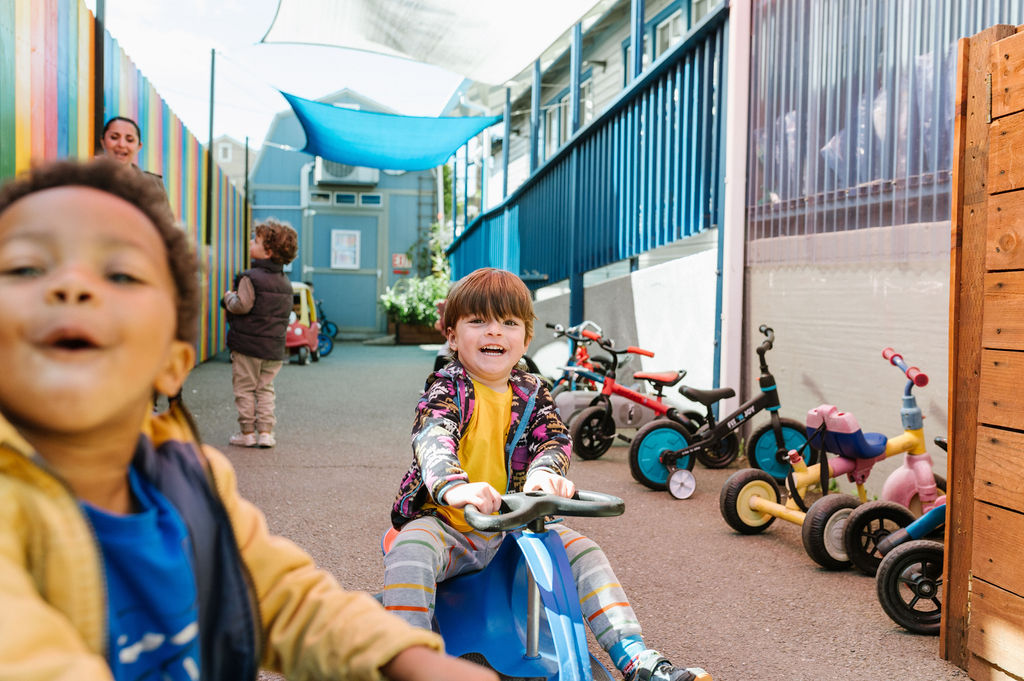
Some toddlers begin using French words within a few weeks. Others spend months listening before speaking. Both paths are completely normal.
Teachers understand that language development is not a race. They focus on creating a warm, encouraging environment where children feel comfortable participating without pressure. Over time, familiarity grows into understanding, and understanding gradually becomes communication.
Parents are often surprised by how much their children understand before they begin using the language themselves.
At Au Beau Sejour, French immersion is designed to feel natural, engaging, and developmentally appropriate for even the youngest learners. Through caring relationships, consistent routines, and play-based experiences, toddlers build language skills while growing socially, emotionally, and academically. The result is a classroom where children feel secure enough to explore, communicate, and develop a lifelong love of learning. If you’re interested in learning more, schedule a tour with us.