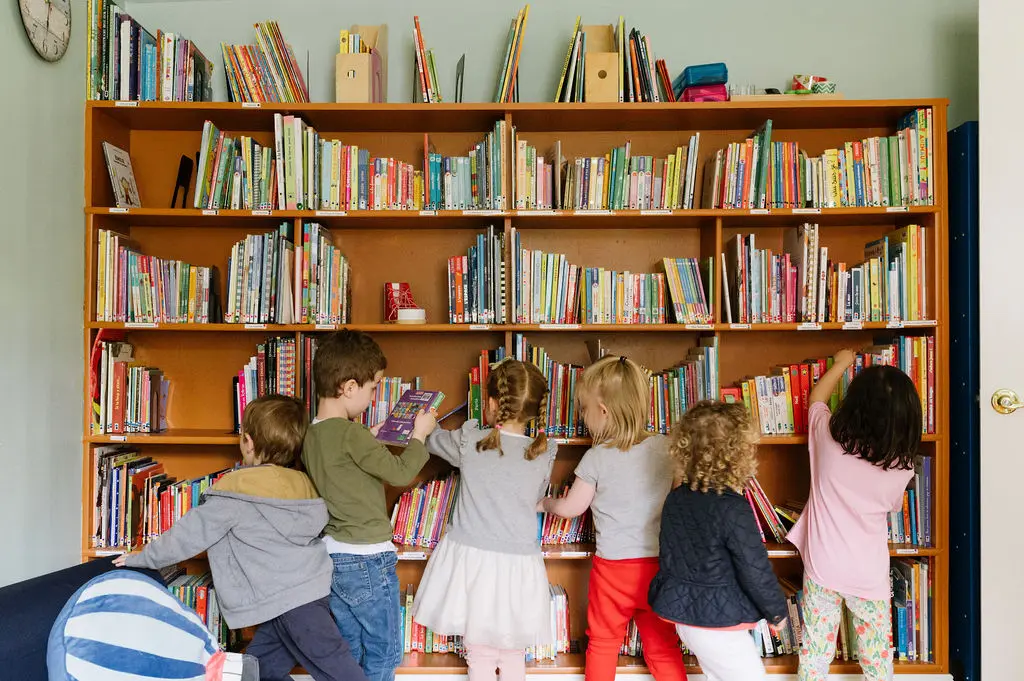
Starting preschool is a big milestone, not just for children but for parents as well. It is often the first time a child spends several hours away from home in a new environment with unfamiliar adults and peers. While families naturally wonder about academics, schedules, and daily activities, one question sits at the heart of every successful preschool experience: Does my child feel safe here?
For young children, feeling safe goes far beyond locked doors and secure buildings. Emotional safety shapes how children approach every part of their day. When they trust the adults around them, understand what to expect, and know they are accepted, they become more willing to explore, ask questions, make friends, and try new things. A supportive preschool environment creates the conditions where learning can happen naturally because children are not spending their energy worrying about what comes next.
Familiar Routines Bring Comfort
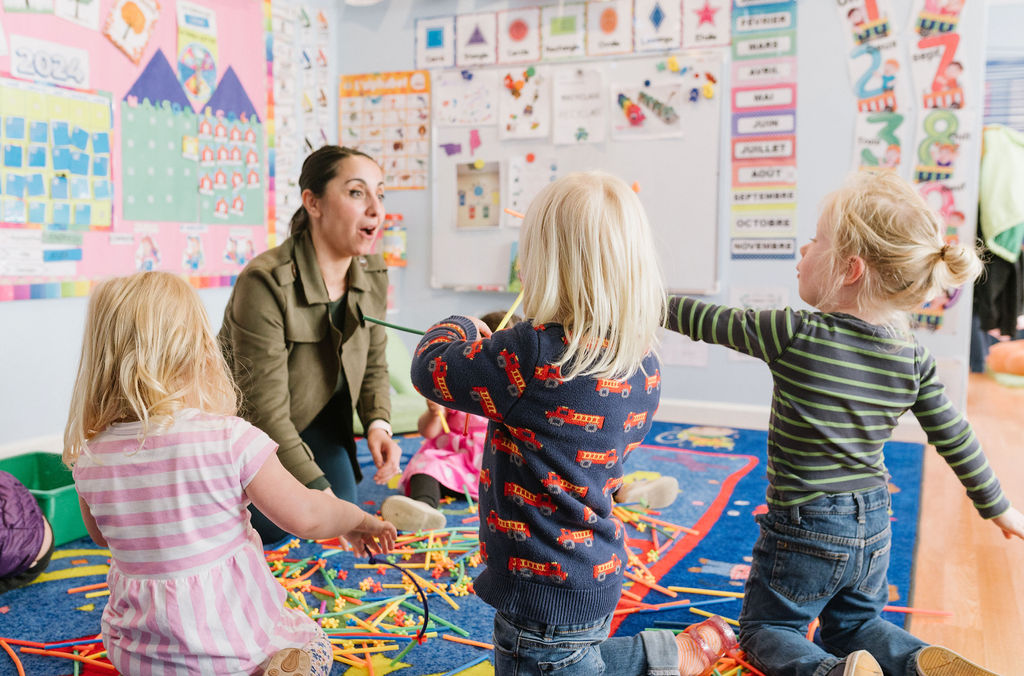
Children thrive when life has a predictable rhythm. Knowing what happens after morning drop-off, when snack time comes, or how the class transitions from one activity to another helps children settle into their day with confidence.
That does not mean every day looks exactly the same. There is still room for creativity, special projects, and spontaneous moments. The consistency comes from the overall flow of the day rather than following an inflexible schedule.
As children become familiar with these routines, they begin anticipating what comes next instead of reacting to constant surprises. That confidence often shows itself in small ways, like walking into the classroom without hesitation or moving independently between activities.
Relationships Matter Just as Much as Routines
Ask most adults what made school memorable, and many will mention a teacher who made them feel seen. The same is true for young children.
Strong teacher relationships provide reassurance throughout the preschool day. Children learn that there is someone who notices when they are excited, recognizes when they are frustrated, and offers encouragement when they need support. Over time, this trust becomes one of the strongest sources of emotional safety in preschool.
This approach is supported by early childhood research. The National Association for the Education of Young Children (NAEYC) notes that warm, trusting relationships between teachers and children are among the most effective ways to support young children’s social and emotional health. Those consistent, caring interactions help children feel secure enough to participate, build friendships, and engage more confidently in learning.
Small class sizes make these relationships easier to build because teachers have more opportunities to know each child as an individual. They notice changing interests, celebrate growing confidence, and recognize when a child may need extra reassurance on a difficult day. A trusted relationship gives children a secure place from which to explore the world.
Calm Classrooms Help Children Regulate Their Emotions
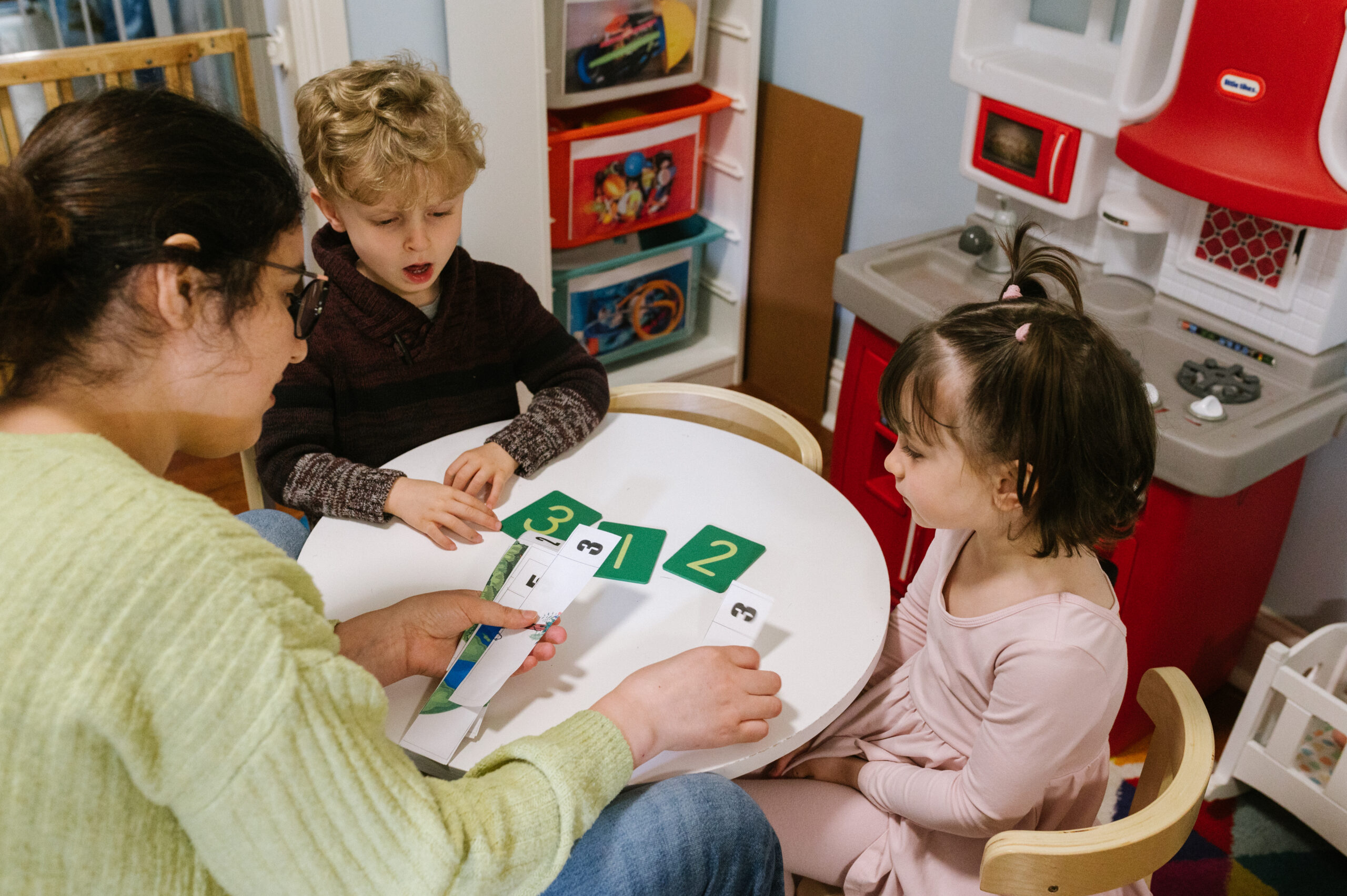
Walk into two different classrooms, and you can often feel the difference before anyone says a word. Some spaces feel rushed and chaotic. Others have an atmosphere that invites children to slow down, participate, and engage comfortably.
A calm preschool environment is carefully designed. Teachers establish clear expectations, organize materials so children can navigate the room independently, and create transitions that reduce unnecessary stress. The classroom feels active without feeling overwhelming.
Children benefit from this balance in several ways:
- They can focus more easily on activities.
- They become more comfortable participating in group experiences.
- They recover more quickly after moments of frustration.
- They develop confidence moving through familiar spaces.
- They spend less energy reacting to distractions and more energy learning.
These experiences gradually strengthen emotional regulation while helping children feel comfortable throughout the school day.
Safety Encourages Healthy Risk-Taking
When children feel emotionally secure, they become more willing to step outside their comfort zones. They volunteer an answer during circle time, attempt a challenging puzzle, or introduce themselves to a new classmate. These may seem like ordinary classroom moments, but each one represents growth.
Children who trust their environment are more likely to take the kinds of risks that support learning. They understand that making a mistake is part of the process and that adults will help them work through challenges rather than criticize them.
That confidence often grows little by little. A child who quietly observes during the first weeks of school may eventually begin leading pretend play or sharing ideas during group discussions because they have learned that their classroom is a place where their voice matters.
Emotional Safety Supports Every Area of Development
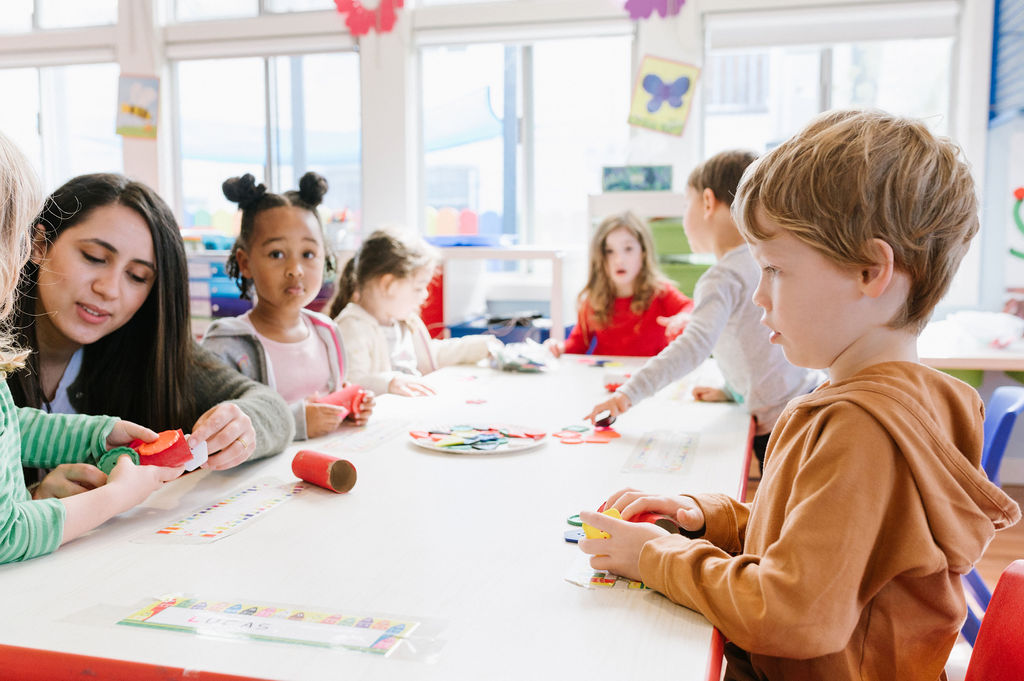
Emotional well-being is closely connected to every aspect of child development in preschool. Children who feel secure are generally better able to focus, build friendships, communicate their needs, and engage with new learning experiences. Emotional safety is not a separate part of education. It supports everything else that happens throughout the day.
This is why high-quality preschool programs pay close attention to the classroom environment, teacher-child relationships, and daily routines. Each of these elements contributes to a setting where children can grow socially, emotionally, and academically.
At Au Beau Sejour, creating an emotionally supportive preschool environment begins with consistency. Small class sizes allow teachers to build meaningful relationships with every child, while predictable routines help children feel confident in their surroundings. Combined with a calm, welcoming classroom, these experiences help children develop the security they need to explore, participate, and build a strong foundation for future learning.