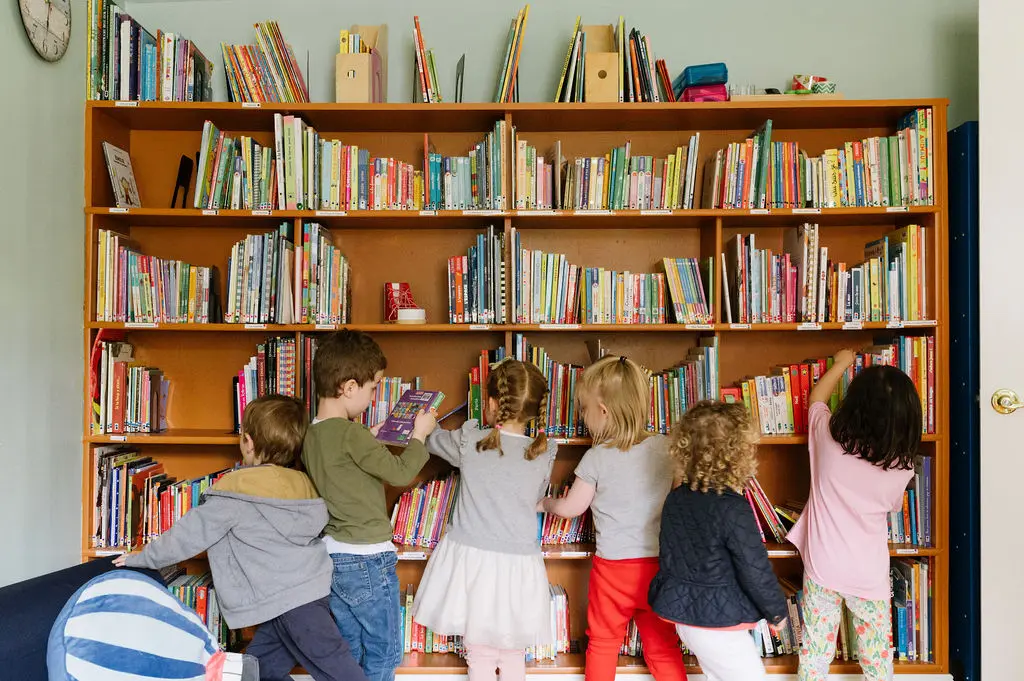
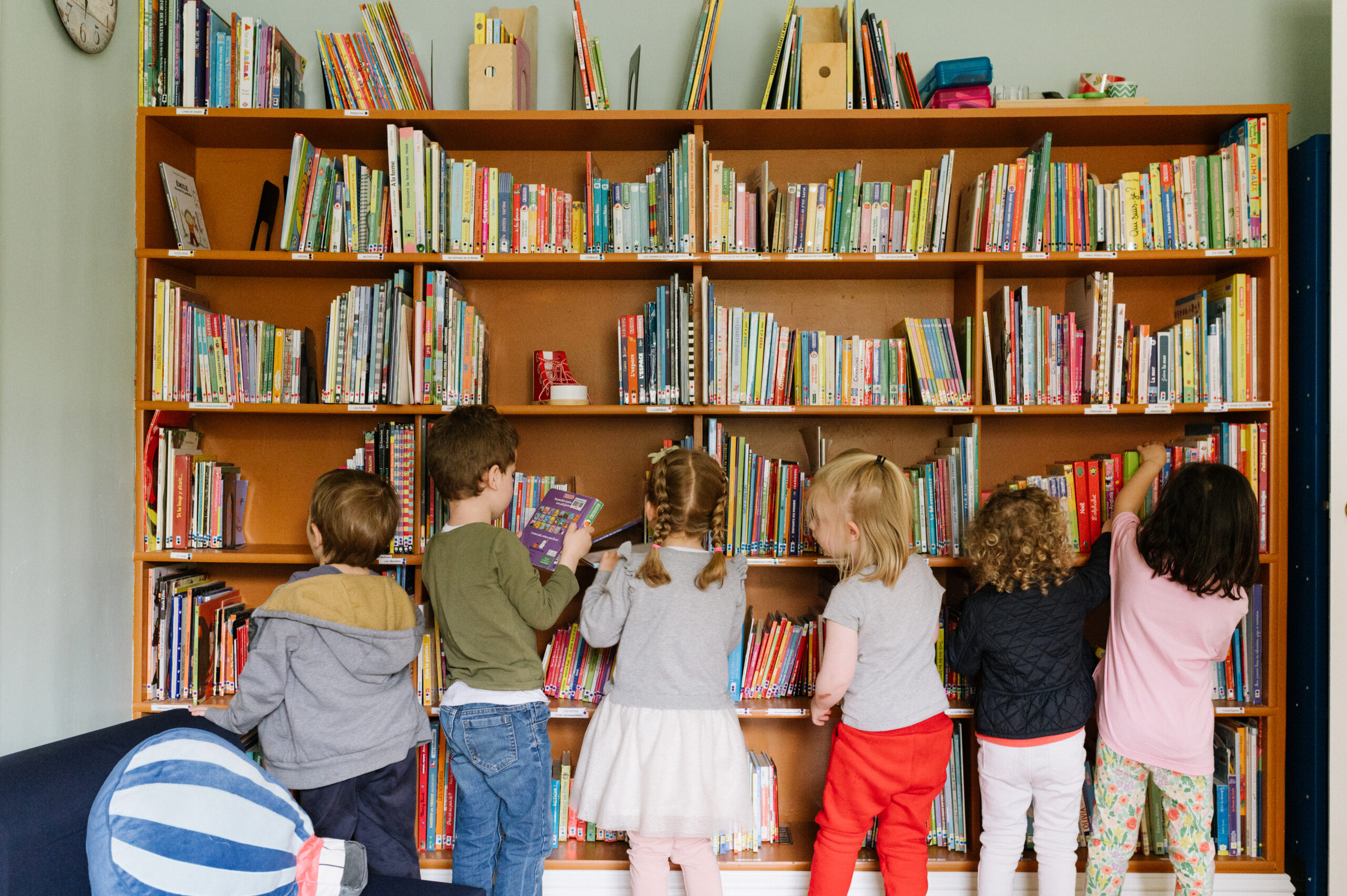
Stories are often one of the first ways young children begin to make sense of the world. Before they can read on their own, they are already absorbing language through rhythm, repetition, and imagery. A simple story shared in a classroom can introduce new words, model sentence structure, and invite children to connect ideas in ways that feel natural rather than forced.
In a preschool setting, storytelling becomes more than just a quiet activity during circle time. It plays an active role in shaping early literacy development, teaching children to listen, interpret, and express themselves. When stories are woven into the day, they create a shared language that supports both communication and understanding.
Stories Build Vocabulary in Context
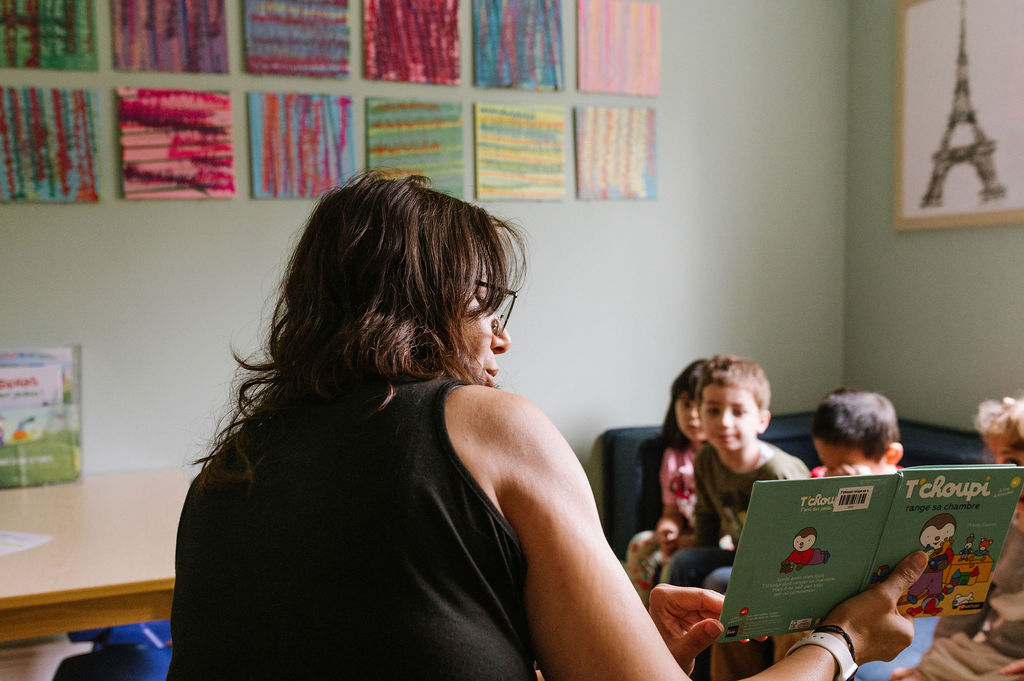
One of the most immediate benefits of storytelling in preschool is vocabulary growth. Unlike isolated word drills, stories introduce new language within a meaningful context. Children hear unfamiliar words alongside familiar actions, emotions, and situations, which makes it easier for them to understand and remember what those words mean.
As teachers revisit stories over time, children begin to recognize patterns in language. They start anticipating phrases, repeating lines, and experimenting with new words in their own speech. This kind of repetition supports preschool language learning in a way that feels engaging rather than repetitive.
Over time, these small moments of recognition build confidence. Children are more likely to use new vocabulary when it feels familiar, and stories provide a natural pathway for that familiarity to develop.
Listening Skills Take Shape Through Storytelling
Storytelling also strengthens listening in a way that few other activities can. When children follow a narrative, they are practicing attention, memory, and comprehension all at once. They learn to track characters, recall sequences, and make sense of cause and effect.
In a structured storytelling preschool environment, this process is supported through intentional pacing and interaction. Teachers may pause to ask questions, invite predictions, or encourage children to reflect on what they have heard. These moments help children stay engaged while deepening their understanding of the story. As listening skills improve, children become more capable of following instructions, participating in group discussions, and engaging in longer activities. These are essential skills that extend far beyond story time.
Imagination and Expression Begin to Expand
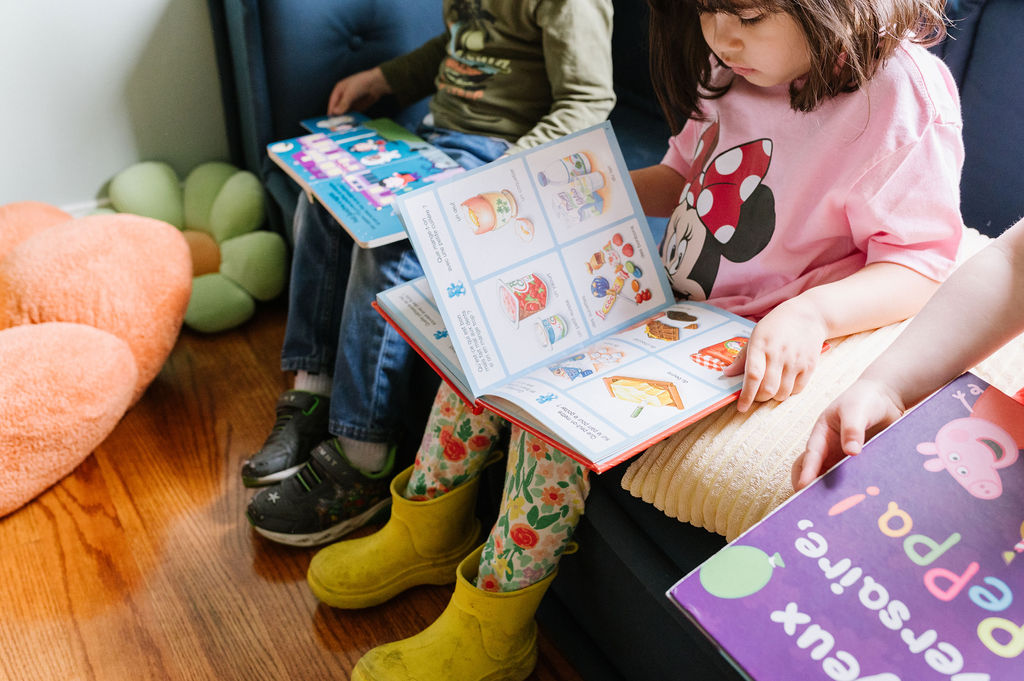
Stories give children a safe space to explore ideas that go beyond their everyday experiences. Through storytelling, they encounter new places, different perspectives, and situations that encourage them to think creatively. This kind of imaginative engagement supports both cognitive and emotional development.
In many classrooms, storytelling is not limited to listening. Children are often invited to retell stories, act them out, or create their own versions. These activities help them organize their thoughts and express themselves more clearly. They begin to understand how ideas connect and how to communicate those ideas to others.
This creative expression also strengthens confidence. When children feel comfortable sharing their thoughts, they become more active participants in the learning process.
Comprehension Grows Through Repetition and Structure
Understanding a story requires more than just listening to words. Children must connect ideas, recognize patterns, and make sense of how events unfold. Storytelling supports this process by offering a clear beginning, middle, and end, giving children a framework for comprehension.
With repeated exposure, children begin to internalize these patterns. They start to recognize how stories are structured and apply that understanding in other areas of learning. This is a key part of early literacy development, as it prepares children for reading and writing later on.
Teachers often reinforce comprehension by revisiting stories in different ways. A familiar story might be told with new questions, visual aids, or group discussions. Each revisit adds another layer of understanding, helping children move from simple recognition to deeper interpretation.
Why Storytelling Matters in Early Education
The impact of storytelling in preschool extends far beyond language development. It supports emotional awareness, social interaction, and critical thinking in ways that feel both natural and enjoyable. Stories create a shared experience that brings children together while helping them build essential skills.
In a classroom where storytelling is part of the daily rhythm, children are given repeated opportunities to listen, speak, imagine, and connect. These moments may seem simple on the surface, but they play a meaningful role in shaping how children learn and communicate.
At Au Beau Sejour, storytelling is thoughtfully integrated into the learning experience. Through consistent routines, small group settings, and language-rich interactions, children are encouraged to engage with stories in ways that support both understanding and expression. Over time, these experiences help build a strong foundation for literacy and lifelong learning.