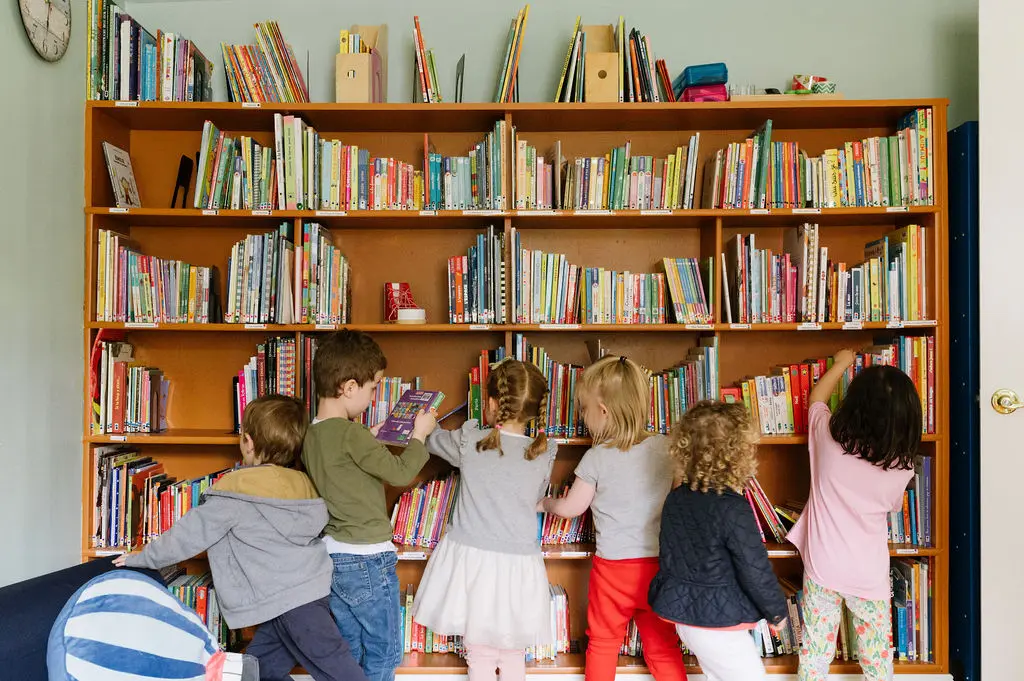
When parents think about literacy, reading is often the first thing that comes to mind. It is easy to focus on recognizing letters, sounding out words, or reading simple books. However, the foundation for reading begins long before a child ever opens a book on their own. Language development starts with listening, speaking, and understanding the world through communication.
This is why preschool language development plays such an important role in early education. Children are constantly building the skills that will eventually support reading and writing, even if they are not yet formally learning those subjects. Through conversations, stories, songs, and daily interactions, preschool creates an environment where language can grow naturally and meaningfully.
Listening Is One of the First Literacy Skills
Before children can read words on a page, they need to understand spoken language. Listening helps children recognize sounds, follow directions, and make sense of information. These abilities become essential when they later begin connecting spoken language to written words.
In preschool classrooms, listening is practiced throughout the day. Children listen to stories, participate in group discussions, follow classroom routines, and engage with teachers and peers. Each of these experiences helps strengthen attention, comprehension, and memory.
Strong listening skills also support kindergarten readiness. Children who can follow conversations and understand verbal instructions often find it easier to participate in classroom activities and engage with new learning opportunities.
Stories Help Children Understand Language
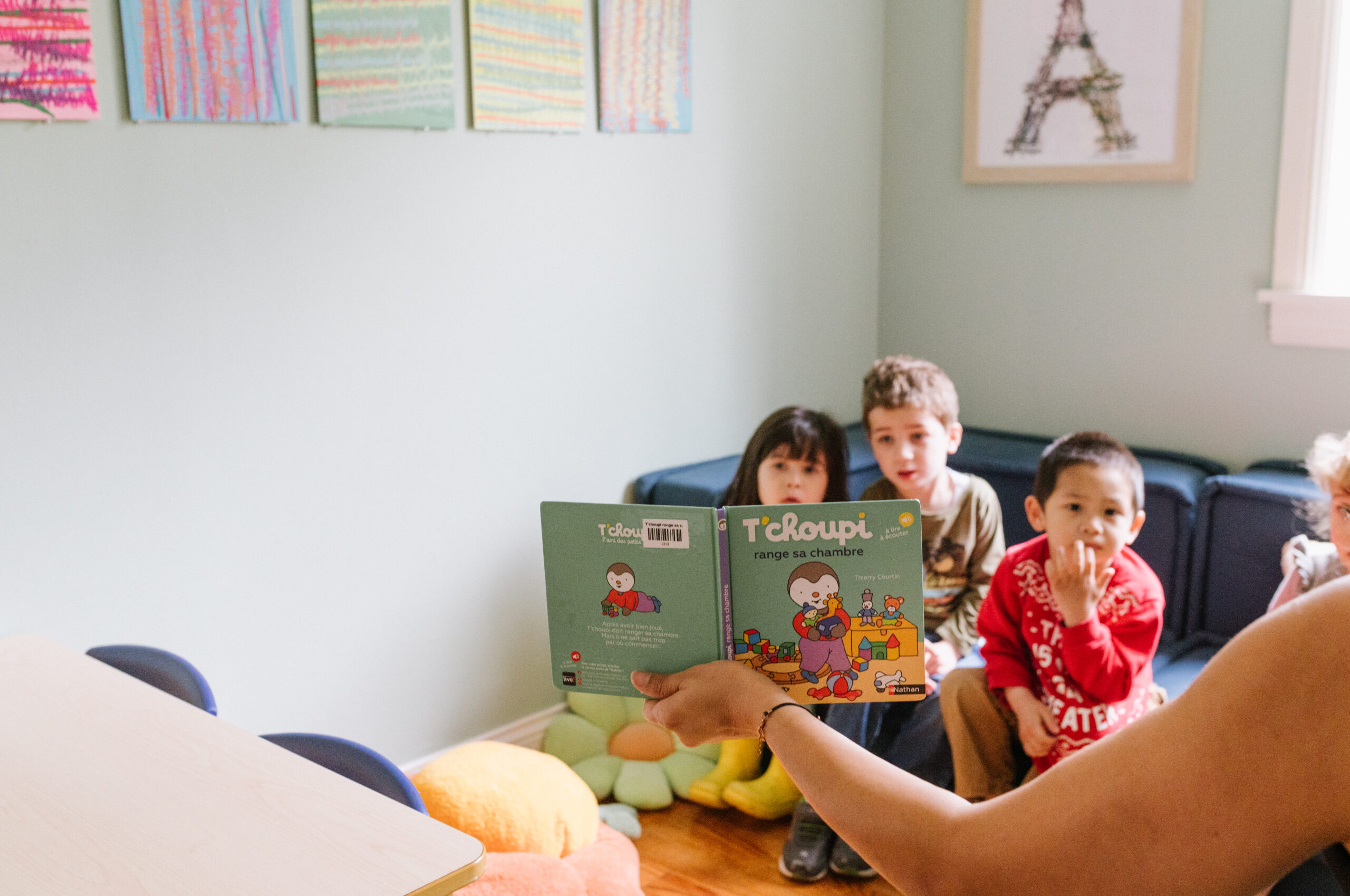
Storytelling is one of the most effective tools for building early literacy skills. Stories introduce children to new vocabulary, expose them to different sentence structures, and help them understand how ideas connect. At the same time, stories spark curiosity and imagination, making language feel engaging and meaningful.
When children hear stories regularly, they begin to recognize patterns in language. They learn that stories have a beginning, middle, and end. They start anticipating what might happen next and remembering details from earlier parts of the narrative. These skills contribute to reading comprehension long before independent reading begins.
Story time also creates opportunities for discussion. Teachers can ask questions, encourage predictions, and invite children to share their thoughts. These conversations deepen understanding while helping children practice expressing themselves clearly.
Vocabulary Grows Through Everyday Experiences
A child’s vocabulary develops through repeated exposure to words used in meaningful contexts. Preschool provides countless opportunities for this type of learning. New vocabulary emerges during art projects, science explorations, outdoor play, meals, and conversations with classmates.
The more words children understand, the easier it becomes for them to make sense of what they hear and eventually what they read. Vocabulary supports comprehension, communication, and confidence. Children who have a strong foundation of language are often better prepared to engage with reading instruction when it is introduced.
In language-rich environments, teachers intentionally introduce new words while also reinforcing familiar ones. Children hear vocabulary repeated in different situations, helping them develop a deeper understanding of meaning and usage.
Language Development Supports Reading Readiness
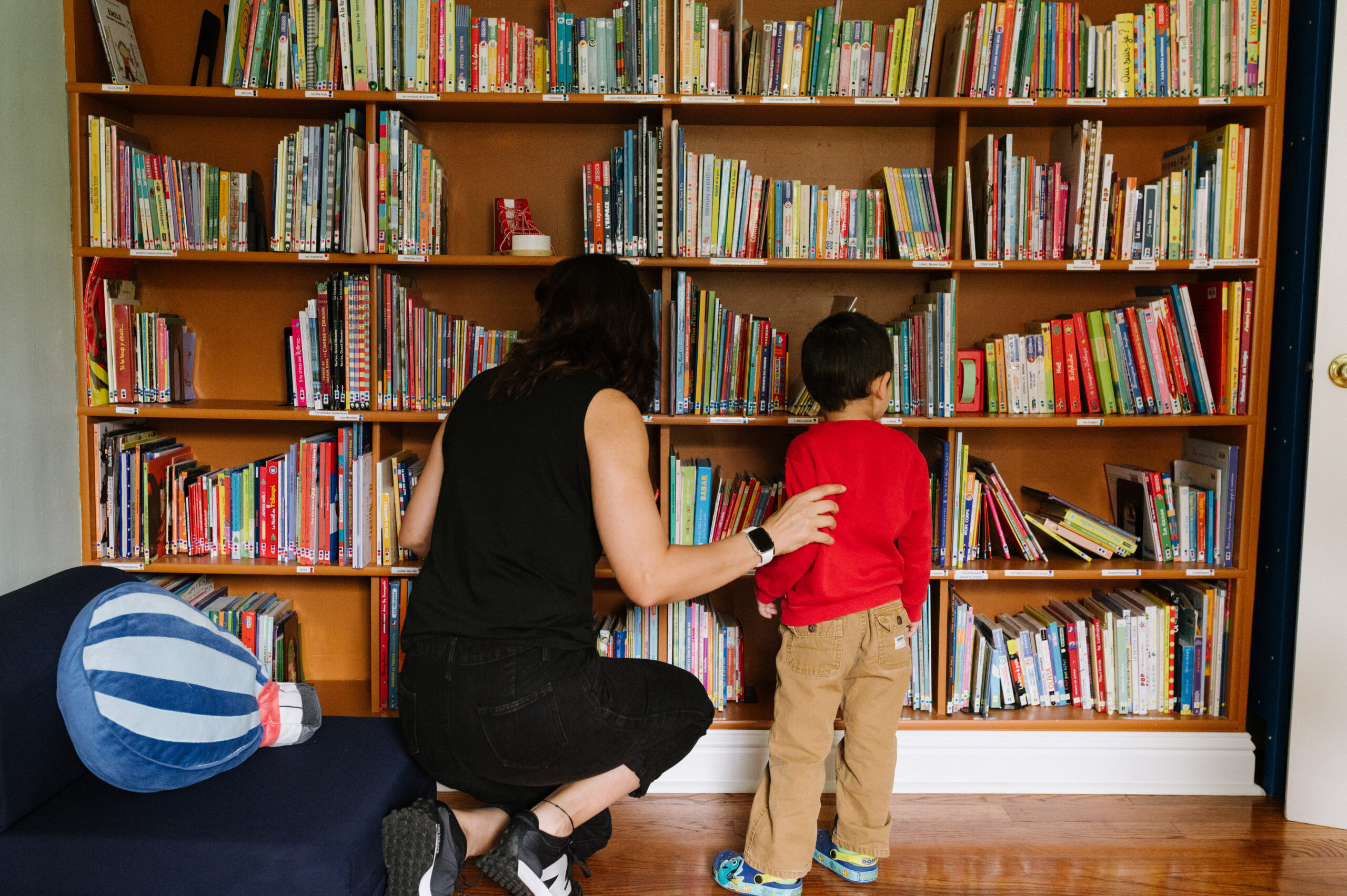
Reading readiness is not simply about knowing letters and sounds. It involves a broad set of skills that develop over time. Children need to understand language, recognize patterns, communicate ideas, and make connections between concepts.
This is one reason early literacy skills are often built through activities that do not look like traditional reading lessons. Conversations, songs, storytelling, dramatic play, and classroom discussions all contribute to literacy development. These experiences strengthen the language foundation that reading depends upon.
For parents, this can be reassuring. A child who loves listening to stories, asks questions, and enjoys conversations is already building important skills that support future reading success.
Language Learning in a French Immersion Environment
Some parents wonder whether learning in a French immersion setting affects literacy development. In reality, language-rich environments can provide even more opportunities for children to build strong communication skills. Young children are naturally equipped to absorb language through meaningful interactions and repetition.
In a French immersion preschool, children hear language throughout the day during routines, songs, stories, and play. They develop comprehension before they are expected to speak fluently, much like they did when learning their first language. This approach allows language to develop naturally and confidently over time.
These experiences strengthen listening, vocabulary, and communication skills while helping children become comfortable navigating more than one language. The result is a strong foundation that supports both language development and future literacy growth.
At Au Beau Sejour, preschool language development is woven into every part of the day. Through storytelling, conversation, songs, and immersive French experiences, children build the listening and communication skills that support early literacy. Long before reading formally begins, they are developing the tools that will help them become confident learners and communicators.