
If you’ve read the same bedtime book so many times that you can recite whole pages without looking, you may wonder why your child still wants to hear it. Preschool teachers see the same thing in the classroom. Children request familiar songs, return to favorite activities, and happily listen to stories they already know from beginning to end.
There is a reason young children enjoy repetition so much. During the preschool years, they are constantly taking in new information, and they need time to make sense of it. Returning to something familiar gives them another opportunity to understand what they have heard or experienced. With each repetition, they can pay attention to a little more because they aren’t encountering everything for the first time.
Why Children Want the Same Story Again
Think about what happens when a child hears a story for the first time. They are meeting the characters, looking at the illustrations, listening to unfamiliar vocabulary, and trying to follow what is happening. That is a lot of information to process at once.
The second reading is different because some of that work has already been done. A child remembers the characters and may know what happens next. Now they can notice a new word or recognize a detail in an illustration. After several readings, they might anticipate a favorite line, answer questions about the story, or begin retelling parts of it themselves.
Repeated reading has also been studied as a tool for early literacy development. Research summarized by Reading Rockets found that rereading books can support preschool children’s story-related vocabulary and comprehension. This same process happens with songs. Children who initially listen may gradually begin humming the melody. Once the tune becomes familiar, they can concentrate more on the words. Eventually, they may sing along without any prompting at all.
Repetition Gives Children Time to Become Independent
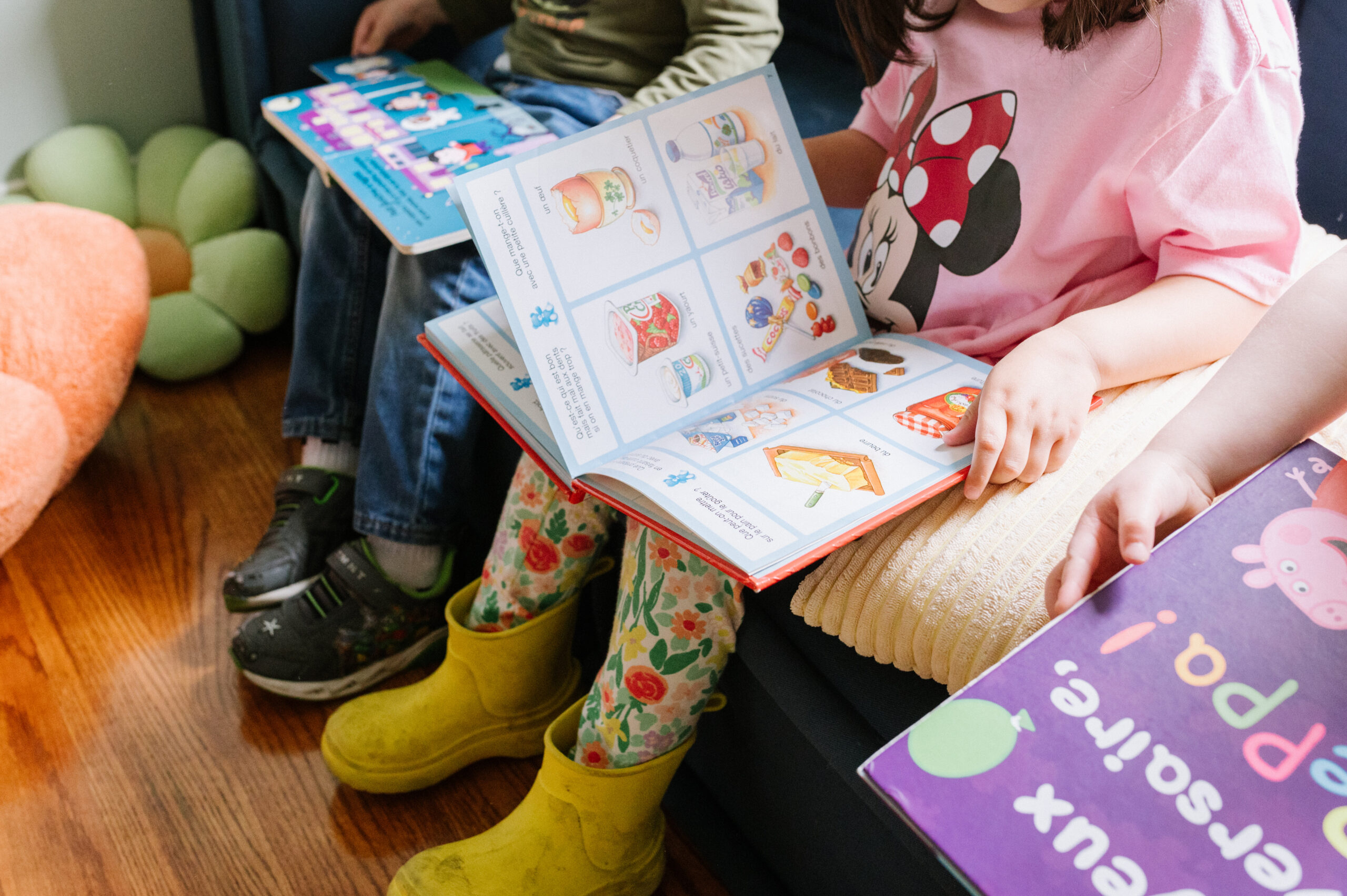
Preschool classrooms contain consistent repetition everywhere, although much of it is easy to overlook.
At the beginning of the school year, a teacher may need to remind a child where to put their backpack each morning. Cleaning up an activity may require several prompts. Preparing to go outside can involve a teacher walking children through each part of the routine. A few weeks later, those same children begin doing more for themselves.
They have experienced the routine enough times to remember what happens next. Instead of waiting for an adult to give every instruction, they can begin taking responsibility for familiar parts of their day. That growing independence comes from practice, and preschool provides plenty of it.
The same principle applies during classroom activities. A puzzle that once required help becomes something a child can complete alone. Once they are comfortable with a particular art material, they can spend more time deciding what they want to create. Familiarity makes it easier to concentrate on the next challenge.
Repetition Is Especially Valuable When Learning French
The importance of repetition becomes very easy to see in a French immersion preschool. A child who has never heard French before may initially depend on a teacher’s gestures and the surrounding situation to understand a phrase. During cleanup time, for example, they may hear the same French instruction each day while watching the teacher and classmates begin putting materials away.
After hearing that phrase repeatedly in the same context, the child starts making connections. Eventually, they understand the instruction as soon as they hear it. There is no need to stop and translate it into English first.
Songs are particularly useful because children naturally enjoy repeating them. A familiar melody gives them something recognizable while French vocabulary becomes increasingly comfortable. Stories can work in much the same way. Children who already know what happens can devote more attention to the French words being used to tell it.
Over time, repeated exposure allows the language to become part of ordinary classroom life.
Familiarity Helps Build Confidence
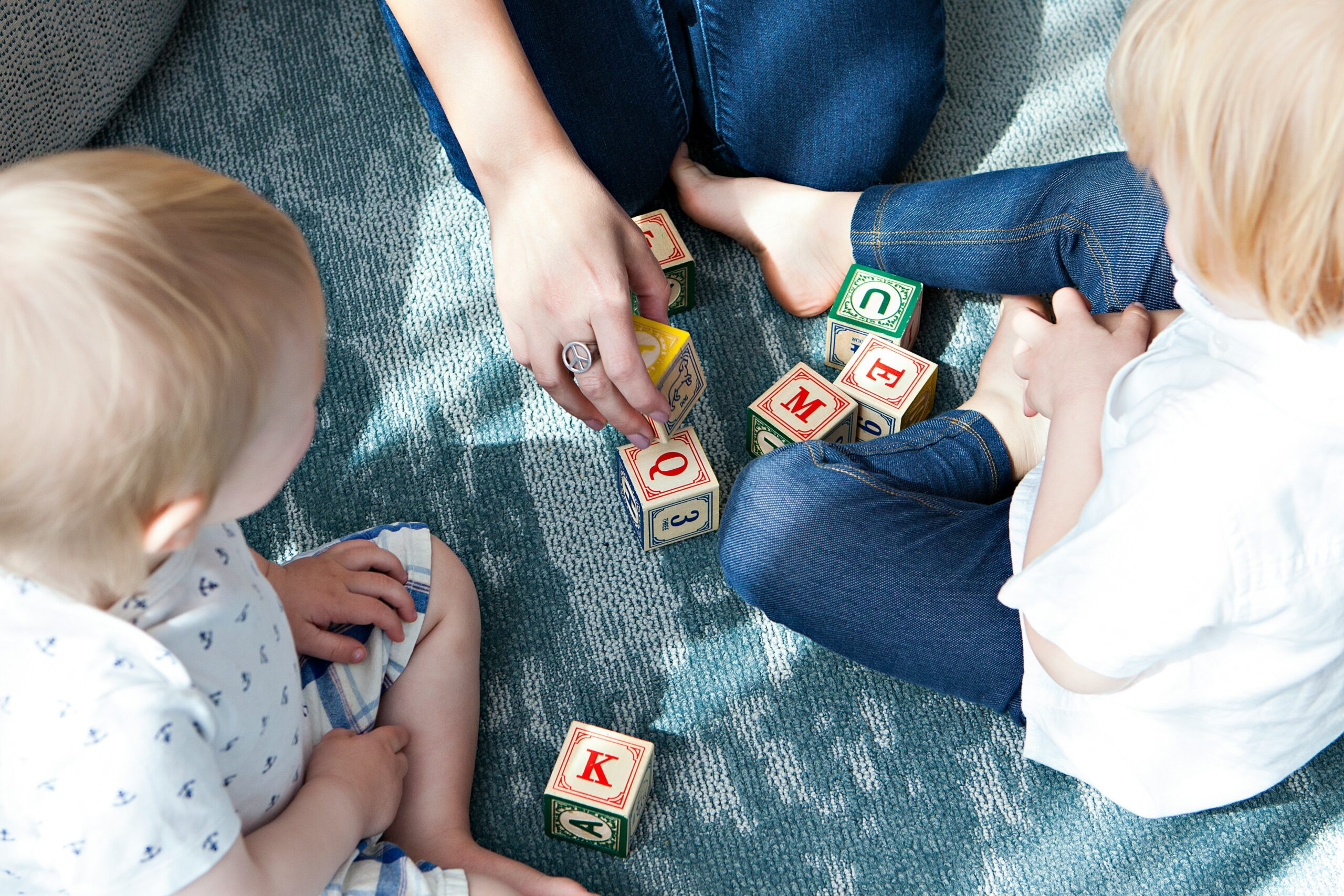
There is also something satisfying about knowing what comes next. Preschoolers spend much of their lives encountering things they haven’t mastered yet, so familiar experiences give them opportunities to recognize their own progress.
A child who knows the words to a classroom song can participate confidently. Someone who understands the morning routine can walk into class knowing exactly what to do. A familiar activity may give a child who is usually hesitant an opportunity to participate without needing as much help from a teacher.
Teachers can then build from that confidence. They may add a new verse to a song, ask different questions about a familiar story, or make an activity slightly more challenging. Children still have something recognizable to work from while encountering new ideas.
At Au Beau Sejour, repetition is part of how children become comfortable with their classroom, their routines, and the French language they hear throughout the day. Familiar songs and stories return, vocabulary appears again in different situations, and everyday routines give children opportunities to practice until they can manage more on their own.
Parents may understandably get tired of hearing the same song coming from the back seat every morning. For a preschooler, though, knowing every word is part of the fun, and each time they sing it, they are practicing something that once wasn’t familiar at all.
One Response