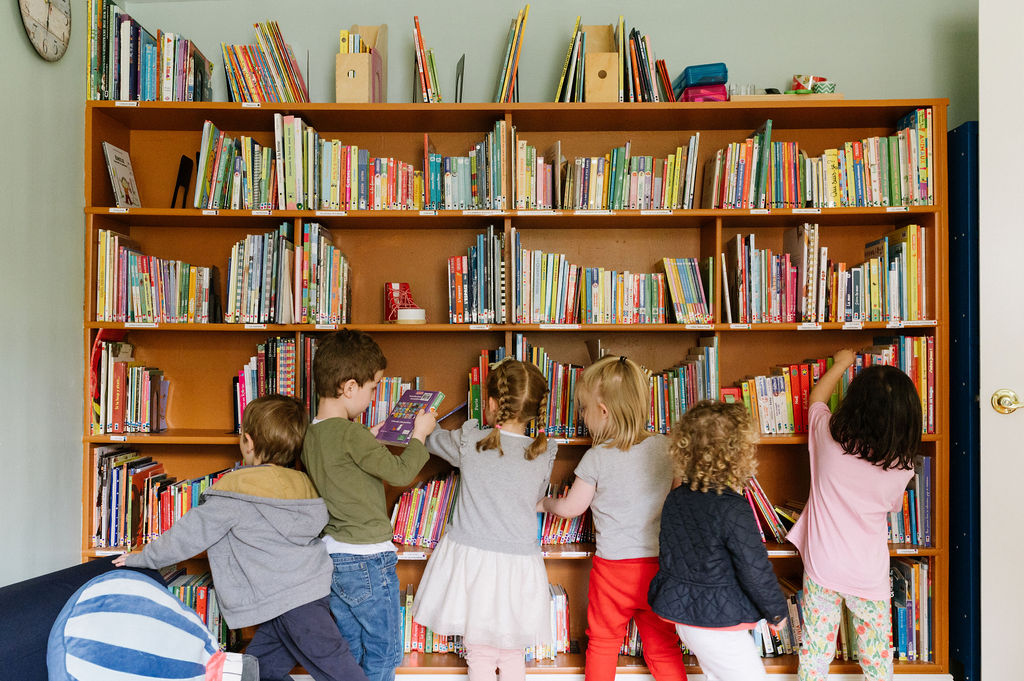
Parents witness incredible moments of growth every day. They see new words, bigger imaginations, and growing independence at home. At the same time, some of the most important developmental changes happen gradually and often become visible only when children spend time in a group setting with consistent routines and peers.
This is one reason preschool teachers play such an important role in early childhood learning. They spend each day observing how children approach challenges, interact with classmates, respond to guidance, and adapt to new situations. These observations often reveal progress that is easy to miss because it happens through dozens of small moments rather than one major milestone.
Growth Often Appears in Small Steps
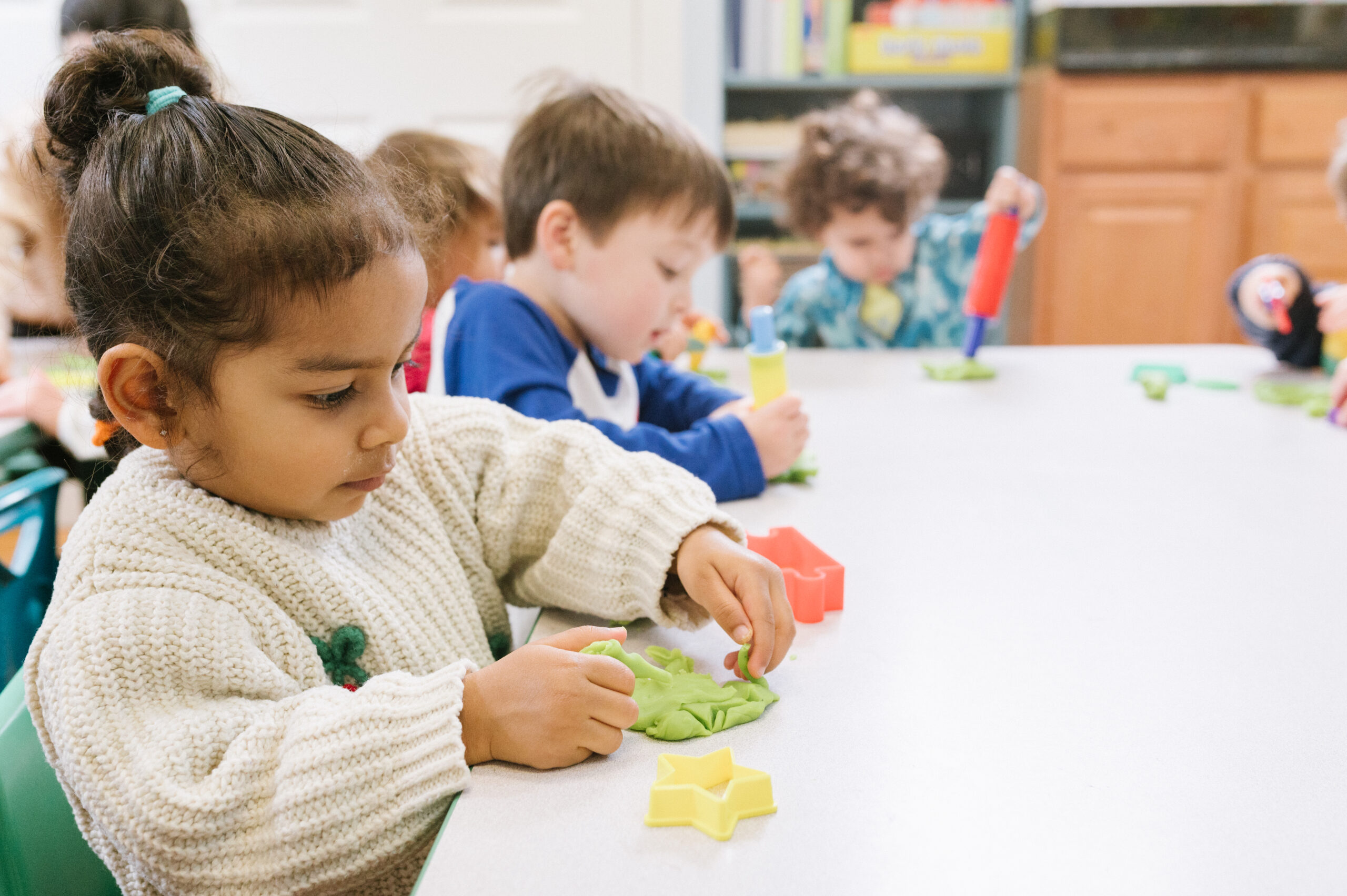
Development is rarely a series of dramatic breakthroughs. More often, it unfolds through steady progress that becomes noticeable only after weeks or months of observation. A child who once needed frequent reminders may begin completing a classroom routine independently. Another may become more willing to participate in group discussions.
These subtle changes are valuable preschool development milestones because they show how children are building confidence, self-awareness, and independence over time. While parents naturally see one side of their child’s growth at home, teachers have the opportunity to observe how those skills carry over into a classroom community.
Watching children in different situations also provides important context. A child who is shy during the first few weeks may gradually become comfortable enough to initiate conversations or volunteer to help a classmate. Those small shifts often represent meaningful developmental progress.
Attention and Persistence Continue to Grow
Many parents wonder whether their child’s attention span is developing as expected. In preschool, teachers observe this skill every day through a variety of activities rather than a single task.
Children may gradually spend more time engaged in art projects, listen to longer stories, or stay focused while building with blocks. They also begin returning to unfinished activities instead of quickly moving on to something new. These changes show growing persistence, an important skill that supports future learning.
Teachers also notice how children respond when something becomes difficult. Rather than giving up immediately, many begin trying different approaches or asking for help. These moments reflect developing confidence as much as they do attention.
Problem-Solving Happens Throughout the Day
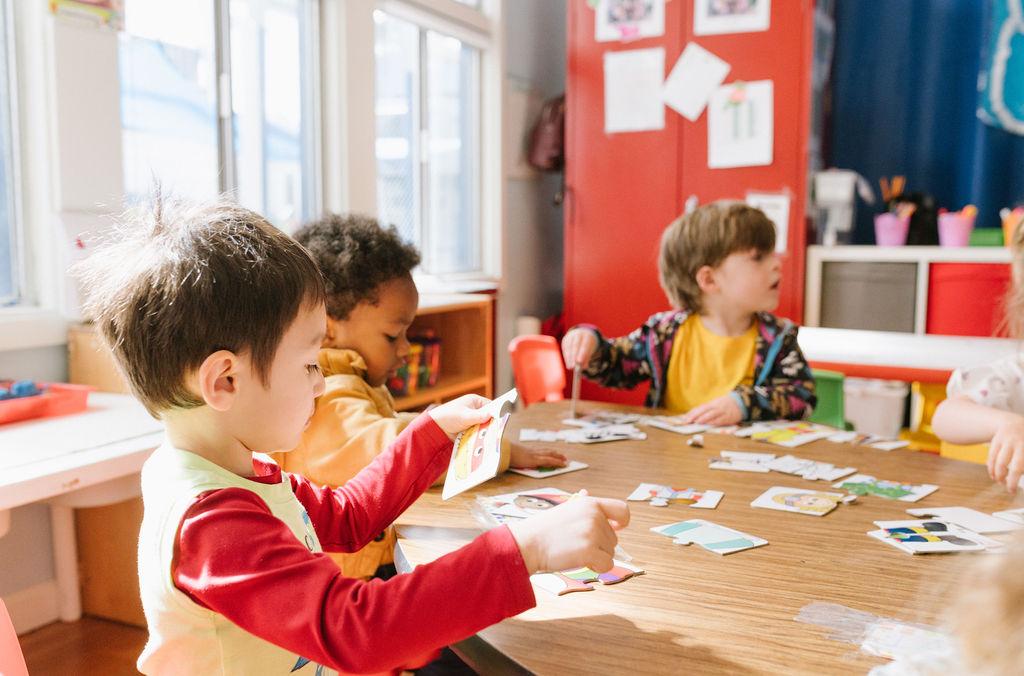
Problem-solving is another area of early childhood learning that often develops over time. It is not limited to puzzles or structured activities. Children solve problems whenever they decide how to build a stable tower, figure out how to share materials, or work through disagreements with classmates.
Teachers observe how children approach these situations over time. They notice when a child begins thinking through challenges before asking for help or starts suggesting solutions during group activities. These experiences help children become more flexible and confident when faced with unfamiliar situations.
Problem-solving also encourages creativity. Children learn that there may be more than one way to accomplish a goal, and they become more comfortable experimenting with different ideas until they find an approach that works.
Social Awareness Becomes More Refined
One of the biggest differences between home and preschool is the number of daily social interactions children experience. In a classroom, they are constantly learning how to communicate, cooperate, and respond to the needs of others.
Teachers often notice changes in social awareness before anyone else. A child may begin inviting another child into a game, recognize when a classmate is upset, or offer help without being asked. These moments demonstrate growing empathy and an increasing understanding of the people around them.
Children also become more aware of how their own actions affect others. They begin recognizing classroom expectations, resolving small conflicts with less assistance, and participating more actively as members of the group. These are meaningful milestones that contribute to both emotional and academic growth.
Observation Helps Teachers Support Every Child
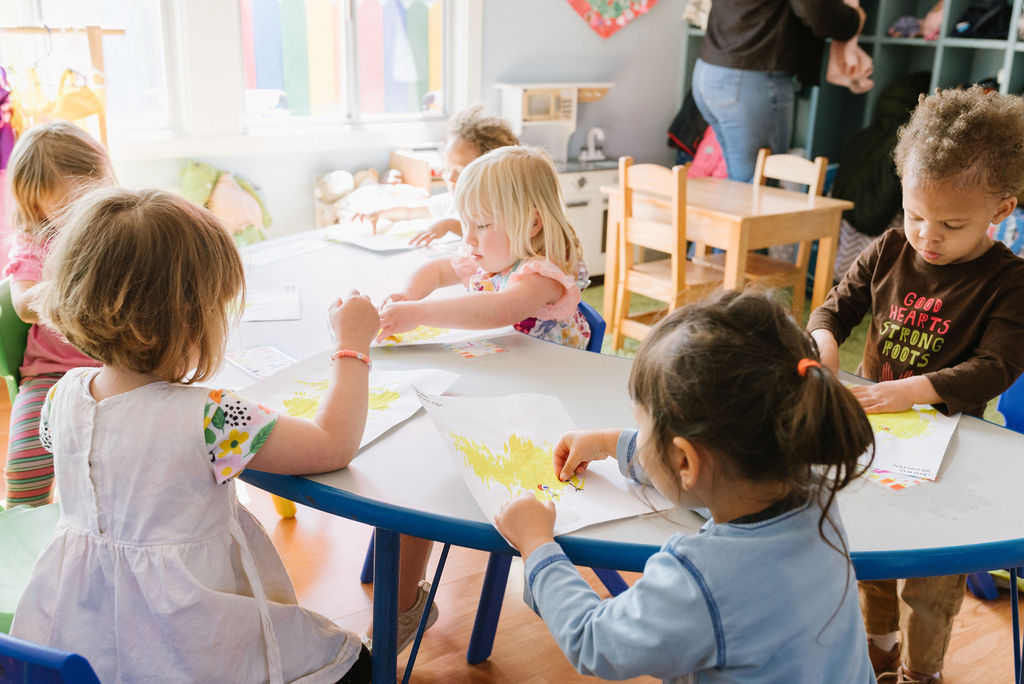
Careful observation is one of the most valuable tools preschool teachers have. Rather than focusing only on academic progress, teachers pay attention to how children interact with others, solve problems, and respond when something unfamiliar comes up. These observations help educators understand each child’s individual strengths while identifying opportunities for continued growth.
In smaller classrooms, teachers have more opportunities to notice the little moments that might otherwise go unseen. They can adjust activities, offer encouragement, and provide support that reflects each child’s unique developmental journey.
At Au Beau Sejour, observation is an essential part of the learning process. Through consistent relationships, small class sizes, and thoughtful guidance, preschool teachers gain a deeper understanding of every child’s progress. By recognizing the many small ways children grow each day, they help ensure each child receives the support they need to continue growing with confidence.